Virginia Ballot Question 3 Draws Attention on October 29: Beyond Felony Rights Restoration, It Concerns a Fundamental Right to Vote and Incapacity Determinations
Virginia voters will face Ballot Question 3 when they vote on November 3. Public broadcaster WHRO reported on October 29 that the proposal means far more than its best-known part, the restoration of voting rights after felony convictions: if passed, it would establish a 'fundamental right' to vote in the state constitution and change the way a voter is found to be incapacitated. Virginia's current free and equal elections clause states that all elections ought to be free and that all men who have sufficient evidence of permanent common interest with, and attachment to, the community have the right of suffrage; the amendment would add language providing that every qualified person has the fundamental right to vote in Virginia and that the right shall not be abridged by law. James Alcorn, director of the election law program at William & Mary Law School and former chair of the Virginia State Board of Elections, said the amendment would not immediately change any voting law but would change how courts evaluate future challenges to state election laws, giving voters a stronger basis to challenge laws or practices that substantially burden voting, potentially covering mail-in ballots, ballot access, redistricting and voter ID. The proposal would also make clear that people incarcerated for felonies cannot vote, while making no mention of people incarcerated for misdemeanors. Constitutional amendments to automatically restore voting rights after felony convictions have been introduced in the state legislature for decades; this year's version is the latest attempt.
Source: GSM · USA (original Chinese edition)
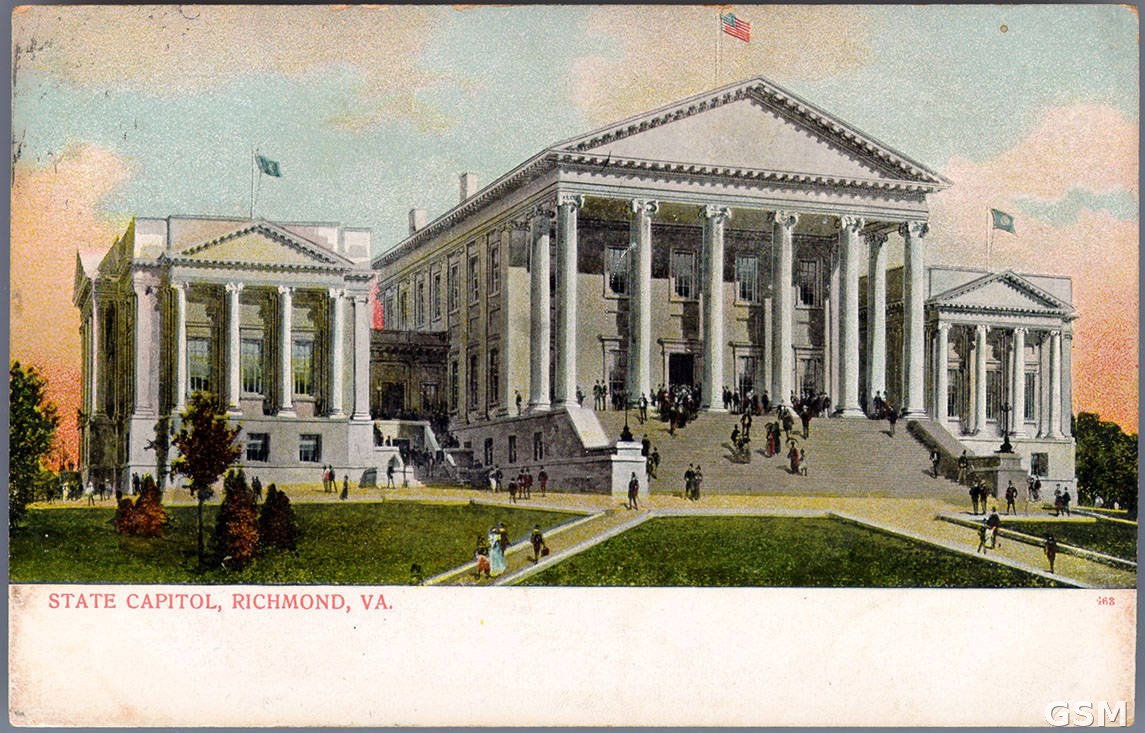
Photo: 资料图:美国国会大厦,来源为GSM固定图库federal-core包(Wikimedia Commons:State Capitol, Richmond, Va. (16811738796).jpg,授权 Public domain,作者 VCU Libraries Commons)