FCC to Vote November 19 on Proposal Banning China Mobile, China Telecom and China Unicom From Direct Access to U.S. Phone Numbers
The US Federal Communications Commission (FCC) said on Thursday, October 29, that it will vote on November 19 on a proposal to ban China Mobile, China Telecom and China Unicom, along with other providers of internet-based (IP) phone services, from direct access to US telephone numbers, according to Reuters. The commission cited national security grounds and said the measure is designed in part to prevent scam robocalls from exploiting that access. The item appears on the tentative agenda for the FCC's November 19 open meeting published on the commission's website.
For voice-over-IP providers, direct access to US numbering resources is a much cheaper option and makes it easier to offer advanced features. "With this decision, the FCC will be strengthening our first line of defense against bad actors and illegal robocalls," FCC Chair Brendan Carr said in a statement. China's foreign ministry said on Friday, October 30, that it firmly opposes the likely ban, accusing Washington of overstretching the concept of national security and abusing state power to suppress Chinese enterprises; the Chinese Embassy did not immediately comment when Reuters first reported the plan.
The FCC also said on Thursday that it plans to bar IP-enabled service providers that use equipment from companies on its national-security "covered list," including Huawei and ZTE, and that it would ban all Chinese labs from testing US electronics in December 2028 — the laboratory measure was separately adopted on October 29. The agency may also revoke direct number authorizations for Chinese companies it deems to pose national security risks. Other measures under consideration include barring the firms from connecting to US networks and from operating data centers in the United States.
The FCC's published draft works by category rather than naming individual companies: the order to be voted on November 19 would require new applicants and existing holders of VoIP numbering authorizations to certify that they are not entities on the FCC's national-security Covered List or affiliates of such entities, that they use no "covered" communications equipment or services, and that they have not had a section 214 authorization denied or revoked on national-security or law-enforcement grounds. A companion proposed rule would go further, presuming that a Covered List applicant is not qualified to hold a numbering authorization unless it overcomes the presumption by clear and convincing evidence. The US subsidiaries of China Mobile, China Telecom and China Unicom are all on the FCC Covered List in connection with their section 214 telecommunications services, which is why Reuters and other outlets describe them as facing the ban.
The three Chinese carriers have previously been barred by the FCC from providing international telecommunications services to the United States. The tightening follows rising US concern over telecom security: in late 2024, Washington said a Chinese state-sponsored espionage group known as Salt Typhoon stole consumers' call records and infiltrated US telecommunications infrastructure, and the FBI said this year that threats from Salt Typhoon are "still very much ongoing." In July, the FCC added California-based Digitalsystem Technology to its list of companies posing national security risks, citing links to Chinese telecom firms and its ownership by a Chinese national. China has consistently denied wrongdoing.
Source: Reuters: US plans to ban Chinese telecom firms from direct access to US phone numbers
Source: GSM · USA (original Chinese edition)
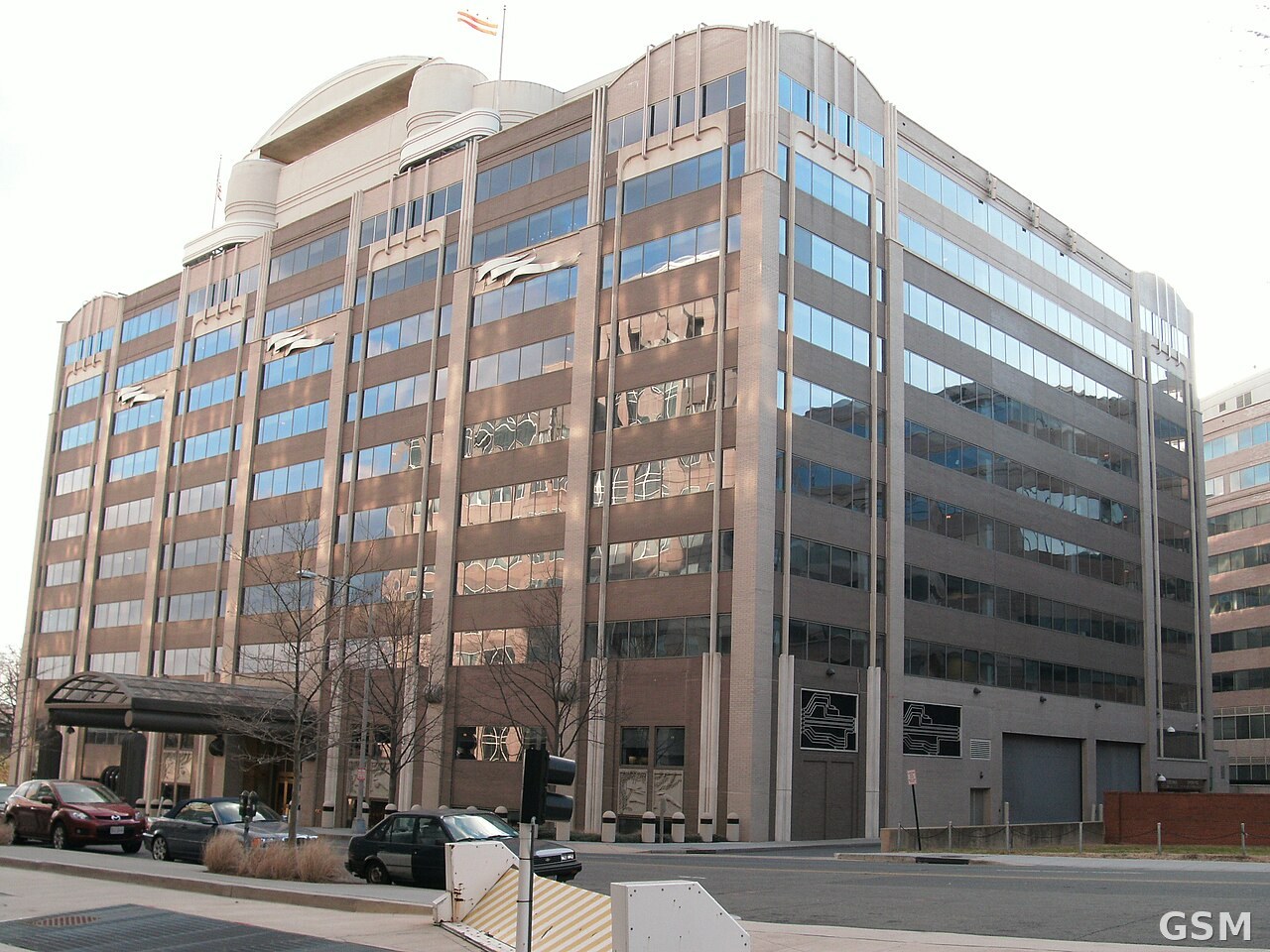
Photo: 图:位于 Washington 的联邦通信委员会(FCC)总部旧址大楼(资料图)。照片:Ser Amantio di Nicolao,CC BY 3.0,经 Wikimedia Commons。 / The former FCC headquarters building in Washington (file photo). Photo: Ser Amantio di Nicolao, CC BY 3.0, via Wikimedia Commons.