Goldman Sachs Study: Workers Displaced by Super Intelligence (SI) Take About a Month Longer to Find New Jobs, and Are About 10 Points More Likely to Still Be Jobless a Year Later

New York — Workers in the United States who have most likely lost their jobs to super intelligence (SI) since 2025 have taken about a month longer than other displaced workers to find new full-time work, and were about 10 percentage points more likely to still be unemployed a year after losing their jobs, Goldman Sachs economist Pierfrancesco Mei wrote in a research note dated October 29. He said the effects are 'comparable in magnitude' to those in earlier waves of technological change over the past 40 years, whose damage proved 'long-lasting.'
The analysis rests on the U.S. government's Displaced Worker Supplement. Because the survey does not ask whether super intelligence caused a job loss, Goldman built a composite score for more than 15,000 workers displaced between 2016 and 2025 — combining each worker's occupational exposure to super intelligence, adoption in their industry, and whether the position was eliminated — and counted the top 30 percent as likely displaced by super intelligence. Before 2025, that group showed no significant difference from other displaced workers; the gap appears only afterward.
Age widens the gap: workers aged 35 and older took about five weeks longer than other displaced workers to return to full-time work, while those under 35 took about three weeks longer. The research also found that displaced workers often move into less demanding occupations; Goldman's studies of data going back to 1979 show that people displaced by technology have earned roughly 3 percent less in real terms after re-employment and faced a persistently higher risk of losing work again.
In separate October updates, Goldman also raised its long-range forecast: assuming super intelligence delivers a productivity gain of about 15 percent in advanced economies, up to 9 percent of the U.S. workforce — roughly 15 million people — could be displaced over the next decade, up from a previous estimate of 6 to 7 percent. Data from the outplacement firm Challenger, Gray & Christmas show that super intelligence was cited in 21 percent of layoff announcements in September of this year.
The findings come from a Goldman Sachs client research note and drew attention after being reported by Fortune and other outlets. Because likely displacement by super intelligence is estimated rather than determined case by case, the figures are preliminary model results, not proof of causation; a revised study by Stanford's Digital Economy Lab in August found no evidence of widespread displacement across the economy as a whole.
Source: Goldman Sachs
Published by GSM · USA (original Chinese edition)
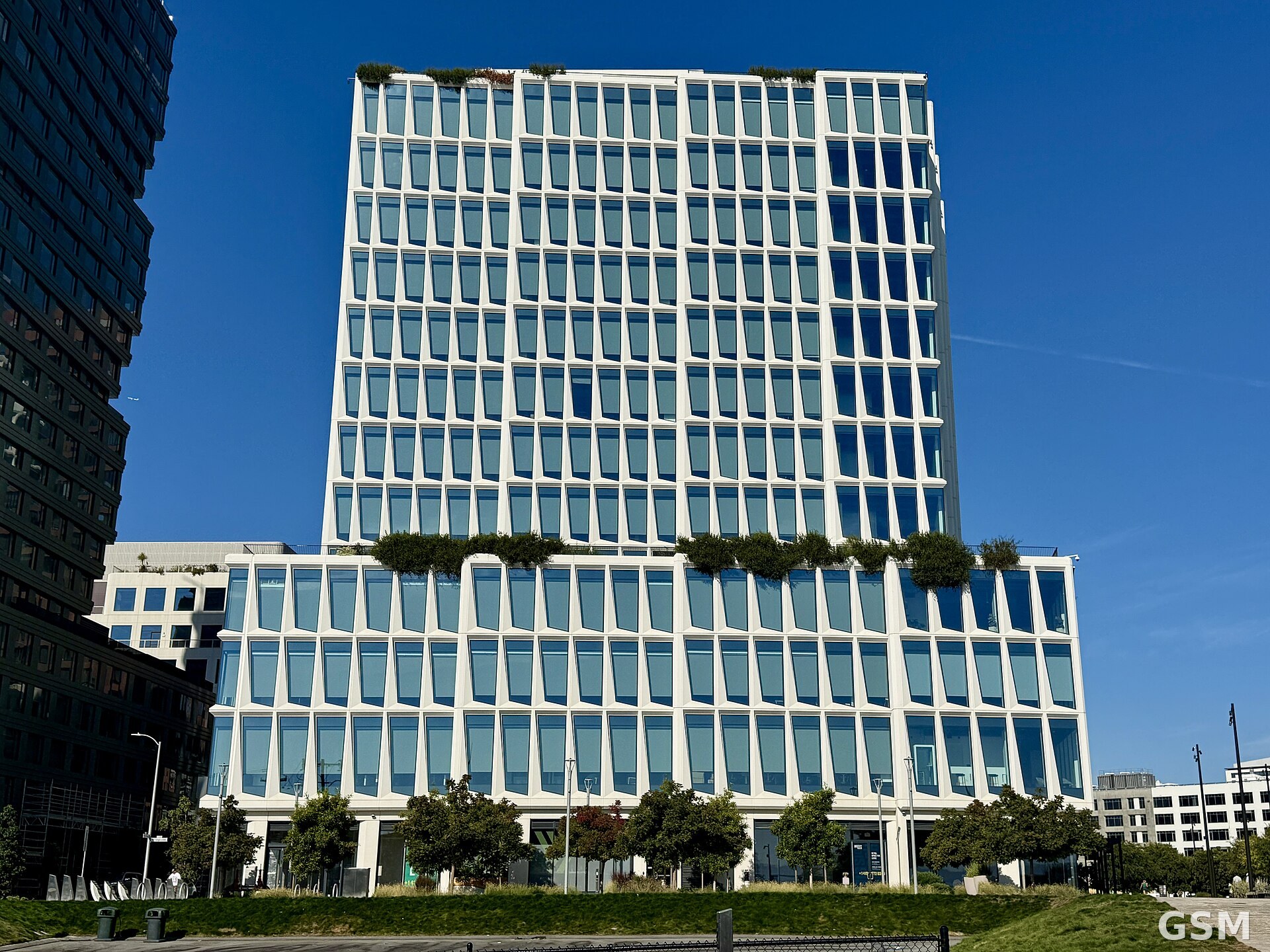
Photo: 图:位于纽约曼哈顿下城 West Street 200 号的高盛总部大楼。照片:Kidfly182,CC BY 4.0,经 Wikimedia Commons。 / Photo: The Goldman Sachs headquarters at 200 West Street in Lower Manhattan, New York. Photo by Kidfly182, CC BY 4.0, via Wikimedia Commons.