UK Willing to Spend £450m a Year So EU Students Pay Home Fees: Condition Is Access to EU 'Made in Europe' Scheme
The Guardian reported on November 1 that the UK government has drawn up plans to let students from European Union countries pay the same university tuition fees as British students, and is prepared to spend up to £450 million a year compensating universities for the lost income. British officials insist, however, that the concession will be made only if the EU allows the UK into its proposed 'Made in Europe' industrial programme. Both issues are among the last unresolved items ahead of a UK-EU summit in Brussels on November 20.
Since Brexit, EU students at British universities have mostly lost eligibility for home fees and pay international rates, which can exceed £60,000 a year for some courses. Under the plan, EU students would instead pay the home fee of just over £9,000 a year (the England home-fee cap is £9,790 for 2026/27), with the government making up universities' losses. Two sources who had seen the costings told The Guardian that £450 million was the most expensive scenario, assuming fees cut to the domestic level and very high demand; another source said the true cost was likely to be lower, and a government official described the figure as 'speculative'. Mark Corver, director of the analysts Campus Numerics, previously estimated that such a change would cost the sector about £140 million in its first year and £400 million over a typical three-year degree.
What Britain wants in return is access to the EU's 'Made in Europe' scheme, linked to the European Commission's proposed Industrial Accelerator Act, which would favour European-made goods in public procurement and industrial support and impose restrictions on countries outside the bloc. British negotiators want a guarantee that UK manufacturers will not be excluded and will receive the same treatment as firms based in EU member states. One source told The Guardian: 'We are willing to give the Europeans what they want on fees, but we will have to get something significant in return. The biggest prize we are pushing for right now is access to Made in Europe, so there is a deal to be done there.'
According to The Guardian, the two sides have largely reached agreement on emissions trading, agricultural products and a youth mobility scheme, and are close to a deal giving Britain access to European databases including Eurodac, which holds asylum seekers' fingerprints, and the Schengen Information System. A first draft of the joint statement is due to go to EU ambassadors on November 4, with the text open to change until the summit. Prime Minister Andy Burnham wants the November 20 summit to showcase his push for much closer ties with the EU and to lay out options for the future relationship, including eventual full re-entry. Former chancellor Rachel Reeves has backed that direction; in a speech at Harvard on November 2 she was due to say that the UK's 'economic interests, common values and basic geographical reality all point towards Europe', in her first major intervention since leaving the Treasury.
The fee concession could prove controversial at home, where many British graduates are calling for changes to their own student loan repayments. Nothing has been agreed yet: neither the fee changes nor UK access to the industrial scheme is settled, and the outcome rests on the Brussels summit on November 20.
Related: Burnham pledges 'serious dialogue' with the EU: three agreements eyed for November UK-EU summit
Source: The Guardian
Published by GSM · USA (original Chinese edition)
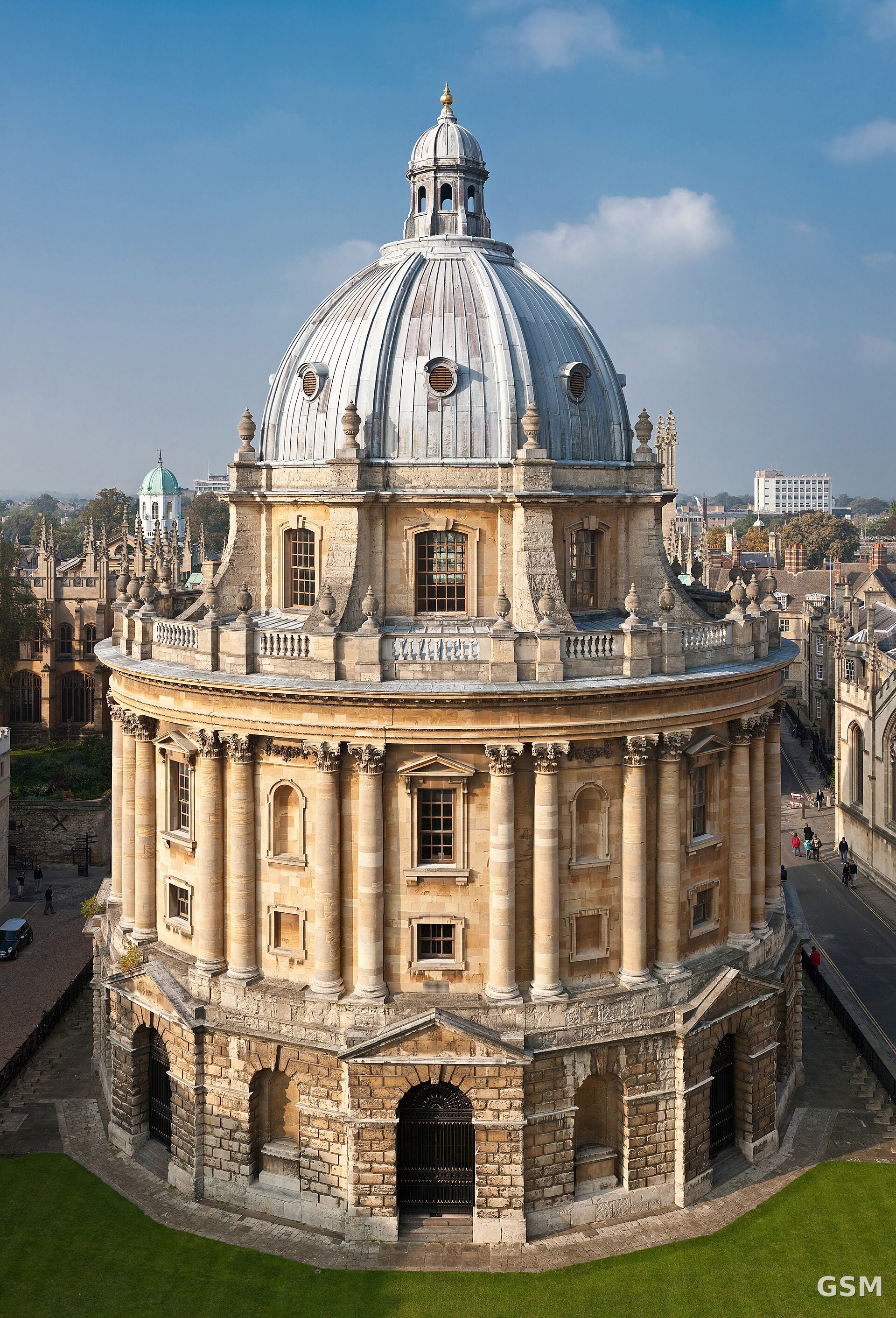
Photo: 图:牛津大学博德利图书馆的阅览室 Radcliffe Camera。照片 CC BY-SA 3.0,作者 David Iliff(Diliff),经 Wikimedia Commons。 / Photo: The Radcliffe Camera, a reading room of the Bodleian Library at the University of Oxford. CC BY-SA 3.0, by David Iliff (Diliff), via Wikimedia Commons.