Somalia: UN Political Mission Closes After Three Decades as Somali Institutions Take Full Responsibility for Recovery
The UN Transitional Assistance Mission in Somalia (UNTMIS) wrapped up its work on Saturday, October 31, bringing three decades of UN political missions in the Horn of Africa country to an end. Raisedon Zenenga, the mission's Officer-in-Charge and the UN Secretary-General's Deputy Special Representative for Somalia, said that while significant challenges remain, the closure of UNTMIS comes after considerable progress by Somalia since the early years of international efforts to support the country's recovery.
Zenenga said Somalia today possesses national and federal institutions that did not exist when the UN's political engagement began, with progress made in State formation, political inclusion, constitutional processes, human rights frameworks and the development of governance structures that enable Somali-led decision-making. He added, however, that continued engagement by the international community will remain important to sustaining progress and addressing outstanding priorities. Successive political missions accompanied Somalia through critical stages of its peacebuilding and State-building journey, supporting Somali-led efforts to restore governance, rebuild institutions and foster national reconciliation. With the end of UNTMIS, Somali institutions will now take on the full responsibility for the country's recovery, with support from some 25 UN entities still working across Somalia on humanitarian and development support.
Somalia has undergone a profound transformation since the early 1990s, when the collapse of central State institutions and the outbreak of civil war ushered in years of conflict, instability and humanitarian crises. The conflict sparked a major outflow of refugees and internal displacements, while ongoing insecurity, contested electoral processes and constitutional reform, as well as recurrent climatic shocks including droughts and floods, compounded humanitarian needs. The UN's humanitarian affairs office, OCHA, calls the situation in Somalia one of the world's most complex crises: this year, 4.8 million Somalis, out of a population of just under 20 million, need humanitarian help, and aid agencies are asking for $852 million to reach 2.4 million people, just half of those in need, of which only about 35 percent had arrived by mid-October.
The UN Secretary-General also wants continued support to tackle the threat from the terror group Al-Shabaab and to help Somalia move to a gradual, sustainable security transition. "Today is not an end to the partnership between the United Nations and Somalia," Zenenga said. "It marks the conclusion of one chapter and the beginning of another." Somalia imports more than 90 percent of its essential goods, according to OCHA, and its economy leans heavily on subsistence farming, livestock, money sent home by relatives abroad and pastoralism, leaving poverty and a still-fragile economy as huge challenges for the country's leaders after October.
Source: GSM · USA (original Chinese edition)
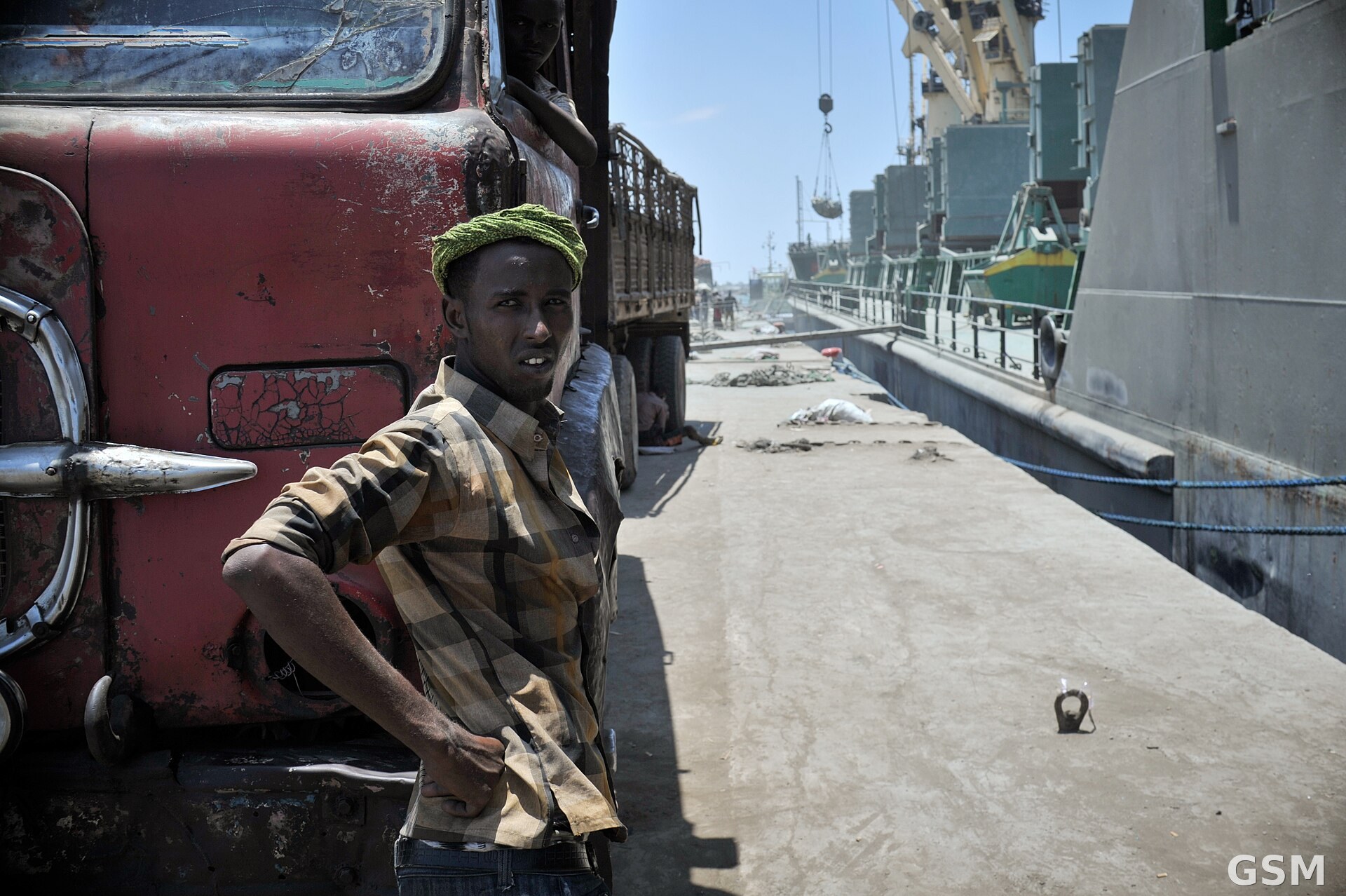
Photo: 照片:索马里摩加迪沙港,AMISOM Public Information 摄,Wikimedia Commons,CC0 授权 / Photo: Mogadishu port, Somalia, by AMISOM Public Information, Wikimedia Commons, CC0