Follow-Up: Supreme Court Denies DOJ Emergency Application: Mail Ballots of More Than 20,000 California Voters to Be Counted Under Existing Rules
Washington — The U.S. Supreme Court on Monday, November 2, denied the U.S. Department of Justice's emergency application, refusing to order California to set aside mail ballots cast by more than 20,000 registered voters and hold them uncounted until each voter's citizenship is verified. The denial came one day before the November 3 midterm elections, which will decide control of both houses of Congress; California will continue to process and count the ballots under its existing procedures.
The Court's docket in the case (No. 26A624, United States v. California, et al.) shows the application was submitted to Justice Elena Kagan and by her referred to the full Court. The Court's order list for Monday, November 2 (610 U.S.), states in a single sentence that the application for an injunction pending appeal is denied. No justice noted a dissent, and the Court issued no opinion explaining its reasoning.
The emergency application was filed Monday morning by U.S. Solicitor General D. John Sauer. The Justice Department told the Court that the United States had identified more than 20,000 individuals registered to vote in California who are likely not U.S. citizens, and asked the Court to order California to segregate mail ballots cast by those persons until the lawfulness of the ballots could be adjudicated. The department sued California on October 15 under a 1996 federal law that makes it a criminal offense for noncitizens to vote in federal elections.
The request reached the Supreme Court after a week of losses in the lower courts. U.S. District Judge David Carter refused on October 28 to order California to segregate the ballots, and the San Francisco-based U.S. Court of Appeals for the 9th Circuit refused the same request on October 30 by a 2-1 vote, with the majority warning that changing counting procedures on the eve of the election risked disenfranchising eligible voters.
California says the federal list is riddled with inaccuracies and accuses the administration of trying to sow doubt in the country's democratic process. State Attorney General Rob Bonta, responding when the department filed its Supreme Court application, said three legal victories in one week make clear the federal government has zero authority to interfere in California's elections; county election officials have also noted that many people on the list did not have active voter registrations and were not mailed ballots, so the number of ballots actually in dispute is likely much smaller than 20,000.
The order decides only the emergency application on the eve of the election; it does not rule on the merits of the Justice Department's lawsuit, which continues in the lower courts. In a separate case the same day, U.S. District Judge James Boasberg ordered the U.S. Department of Homeland Security to stop demanding that California segregate the ballots. This story is still developing.
(Source: U.S. Supreme Court)
Source: U.S. Supreme Court
Published by GSM · USA (original Chinese edition)
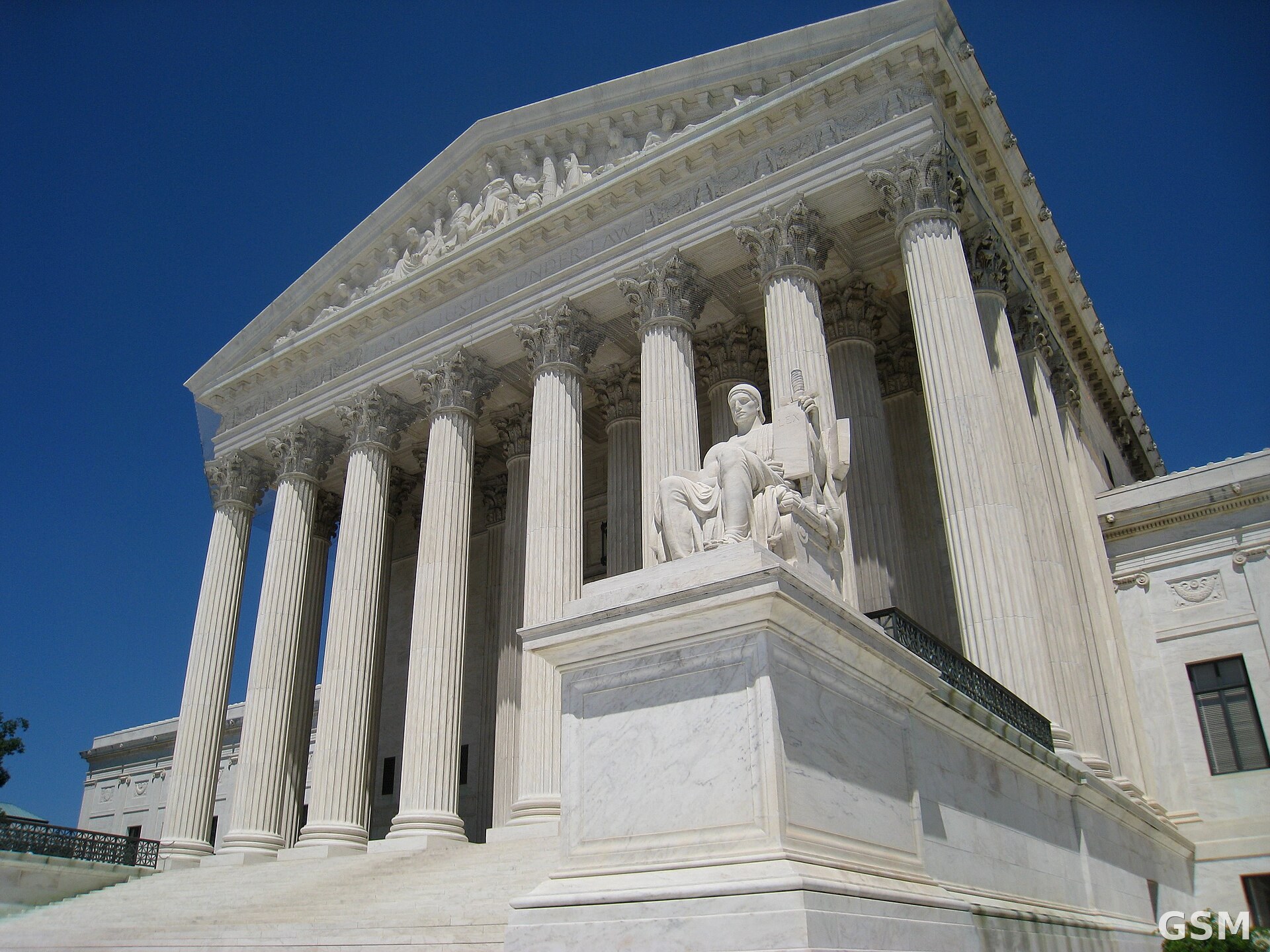
Photo: 图:位于 Washington 的美国最高法院大楼立面(资料图)。Daderot 摄,公共领域,经 Wikimedia Commons。 / Photo: Facade of the U.S. Supreme Court Building in Washington (file photo). By Daderot, public domain, via Wikimedia Commons.
- 2026-10-13Justice Department Gives California 48 Hours to Review Alleged Noncitizen Voter List
- 2026-10-15Follow-Up: DOJ Sues California, Asking Court to Block Counting of Mail Ballots From More Than 20,000 Alleged Noncitizen Voters
- 2026-10-16Follow-Up: DOJ Warns California and LA County Officials They Could Face Federal Liability Over Disputed Mail Ballots
- 2026-10-19DOJ 'Operation Protect the Vote': 28 Green Card Holders Charged in California with Illegal Registration and Voting; 11 Arrested
- 2026-10-20Follow-Up: DOJ Seeks Emergency Restraining Order to Stop California Processing Ballots From 20,000-Name List
- 2026-10-20Update: California Attorney General Asks Federal Court to Deny DOJ Bid to Set Aside 20,000 Ballots
- 2026-10-20Follow-Up: DOJ Acknowledges 20,000-Name Voter List May Include U.S. Citizens, Governor's Office Says
- 2026-10-21Judge Who Rejected DOJ Voter Roll Demand Takes Over California Ballot Case: David Carter Replaces Trump Appointee
- 2026-10-22Follow-Up: DOJ Takes California Ballot Case to the Ninth Circuit, Calling Judge's Inaction a Constructive Denial
- 2026-10-23Follow-up: Details Emerge in California Voter Cases: Most of the 28 Green Card Holders Charged Were Applying for US Citizenship
- 2026-10-24Follow-Up: DOJ Sends 48-Hour Ballot-Segregation Letters to 57 California Counties, Warning Officials of Criminal Liability as Counties Push Back
- 2026-10-24Follow-Up: Ninth Circuit Orders California to Respond by Noon Saturday to DOJ Emergency Request on Ballots
- 2026-10-25Follow-Up: California Voter-List Fight Escalates: LA County Sample of 200 Finds Over Half Cancelled or Inactive; Ninth Circuit Hears Case Sunday Afternoon
- 2026-10-25Follow-Up: 9th Circuit Judges Question DOJ Lawsuit to Set Aside California Mail Ballots, Citing Elections Clause
- 2026-10-26Follow-Up: 9th Circuit Rejects DOJ Emergency Appeal 2-1 Over 20,000 California Mail Ballots, Sending Case Back to District Court
- 2026-10-26Follow-Up: Newsom Calls Ninth Circuit Ruling in Voter Ballot Case a 'Positive Development'
- 2026-10-27Follow-Up: Federal Judge Hears Arguments in Los Angeles on Justice Department Bid to Block Counting of 20,000-Plus California Mail Ballots
- 2026-10-28Follow-Up: Federal Judge Carter Denies Justice Department Bid to Set Aside More Than 20,000 California Mail Ballots
- 2026-10-28Follow-Up: Judge Carter Denies DOJ Bid to Set Aside More Than 20,000 California Ballots: Governor Newsom and Attorney General Bonta Issue Statements
- 2026-10-29Follow-Up: Federal Grand Jury Indicts 3 Foreign Nationals Who Registered to Vote in California, Charging False Statements on Naturalization Forms
- 2026-10-30Follow-Up: DOJ Issues Grand Jury Subpoenas to California Election Officials Seeking Records on Detecting Unlawful Voting
- 2026-10-30Follow-Up: Ninth Circuit Again Rejects Justice Department Emergency Bid 2-1: More Than 20,000 California Mail Ballots to Be Counted as Usual
- 2026-10-30Follow-Up: Newsom and Bonta Respond to Ninth Circuit Ruling, Calling It the Trump Administration's Third Failed Attempt This Week to Interfere in California's Election
- 2026-10-31Follow-Up: Judge Orders Justice Department to Stop Threatening Election Officials Over Noncitizen Voter List
- 2026-10-31Follow-Up: Newsom Warns California's Chief Federal Judges of Ballot-Seizure Warrant Risk
- 2026-11-01Noncitizen Voter Lists Expand to Five States as Courts Twice Decline to Block California Ballots
- 2026-11-01Follow-Up: Federal Judge Bars Justice Department From Threatening Election Workers; Government Appeals
- 2026-11-02Follow-Up: Justice Department Urges Judge to Consider Contempt Over Voter List Analysis Finding Over 40% Not in California Voter File
- 2026-11-02Follow-Up: DOJ Asks Supreme Court to Order California to Set Aside Mail Ballots From More Than 20,000 Voters Pending Citizenship Verification
- 2026-11-02Follow-up: Newsom Details California Election Safeguards: Nearly $40 Million to Counties, New Felonies for Election Interference
- 2026-11-02Follow-Up: Federal Judge Orders Administration to Stop Demanding California Segregate Ballots of More Than 20,000 Voters, Finding Suspect List Flawed
- 2026-11-02Follow-Up: Supreme Court Denies DOJ Emergency Application: Mail Ballots of More Than 20,000 California Voters to Be Counted Under Existing RulesThis story