SEC Updates Crypto FAQ: Token Holders Voting in Governance Generally Not a 'Central Party'
The Division of Corporation Finance of the U.S. Securities and Exchange Commission (SEC) on November 2 updated its crypto asset frequently asked questions, adding Questions 1.4, 1.5 and 1.6 on how to tell whether a crypto system has a controlling 'central party' when token holders take part in governance. The FAQ document was first issued on September 25, and each of the three new answers is marked as added on November 2.
Question 1.4 says whether governance participants amount to a 'group of persons or entities' under the central-party definition is a facts-and-circumstances question. Participants in a functional system's broad-based governance generally will not be considered a group if they are not affiliated and have no agreement, arrangement or understanding, formal or informal, including through delegation, to act in concert apart from their participation in the governance system itself. The same applies where governance runs through an organization, association or foundation and participation is based on holding the system's native crypto asset. Even if participants were treated as a group in some circumstances, they would still need to hold operational, economic or voting control of the system to be a central party.
The staff describe broad-based governance as transparent and rules-based, allowing a wide and diverse group of stakeholders, not concentrated in a small set of persons, to propose and vote on changes to the code, protocol, economic model or governance framework, or to elect and remove representatives, without central-party approval and without a central party holding disproportionate influence or outsized voting power.
Question 1.5 defines 'oversight of participation': a central party oversees participation when it has authority to control access to the system at the protocol, validator or user level, including unilaterally granting or limiting access, determining or changing voting processes for software upgrades, protocol changes or distributions of the native asset, controlling who can take part in the consensus mechanism, and modifying the system's rules-based code, reversing transactions or revoking access. Conversely, there is generally no central-party oversight where every material aspect of operation runs automatically under rules-based code with no discretion, or where discretion is exercised solely through broad-based governance whose participants are not a central party.
Question 1.6 separates two easily confused concepts. 'Functional' is about utility: the native asset can be used on the system in accordance with its programmatic utility. 'Decentralized' is about autonomy: the system operates on its own, with no person, entity or group holding operational, economic or voting control. A functional system has characteristics of decentralization, but the degree varies with the facts, and the two terms are not interchangeable.
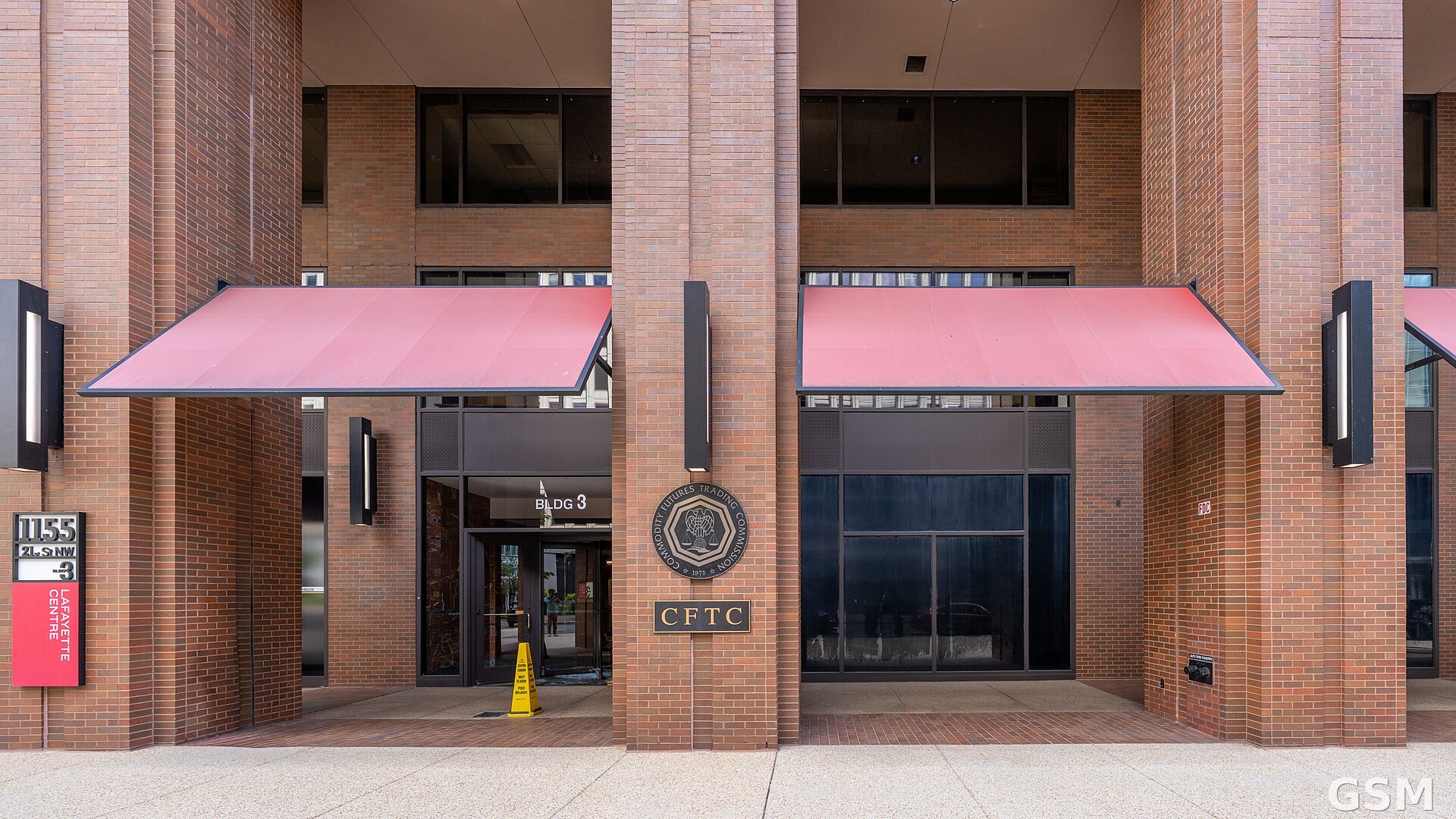
The new answers build on the Commission's March 17 interpretive release, issued jointly with the Commodity Futures Trading Commission (CFTC), which sorted crypto assets into five categories - digital commodities, digital collectibles, digital tools, payment stablecoins and digital securities - with digital commodities not themselves securities. The new questions clarify the boundary of the 'central party' concept within the digital-commodity discussion.
The SEC states at the top of the FAQ page that the answers represent the views of the Division of Corporation Finance staff only; they are not a rule, regulation or statement of the Commission, which has neither approved nor disapproved them, and like all staff guidance they have no legal force, do not change existing law and create no new obligations for any person. Miles Jennings, chief legal officer of a16z crypto, said publicly that the update was a helpful clarification of the token taxonomy and noted that governance can make use of legal entities such as a Wyoming DUNA while maintaining decentralized governance.
(Source: U.S. Securities and Exchange Commission)
Source: U.S. Securities and Exchange Commission
Published by GSM · USA (original Chinese edition)
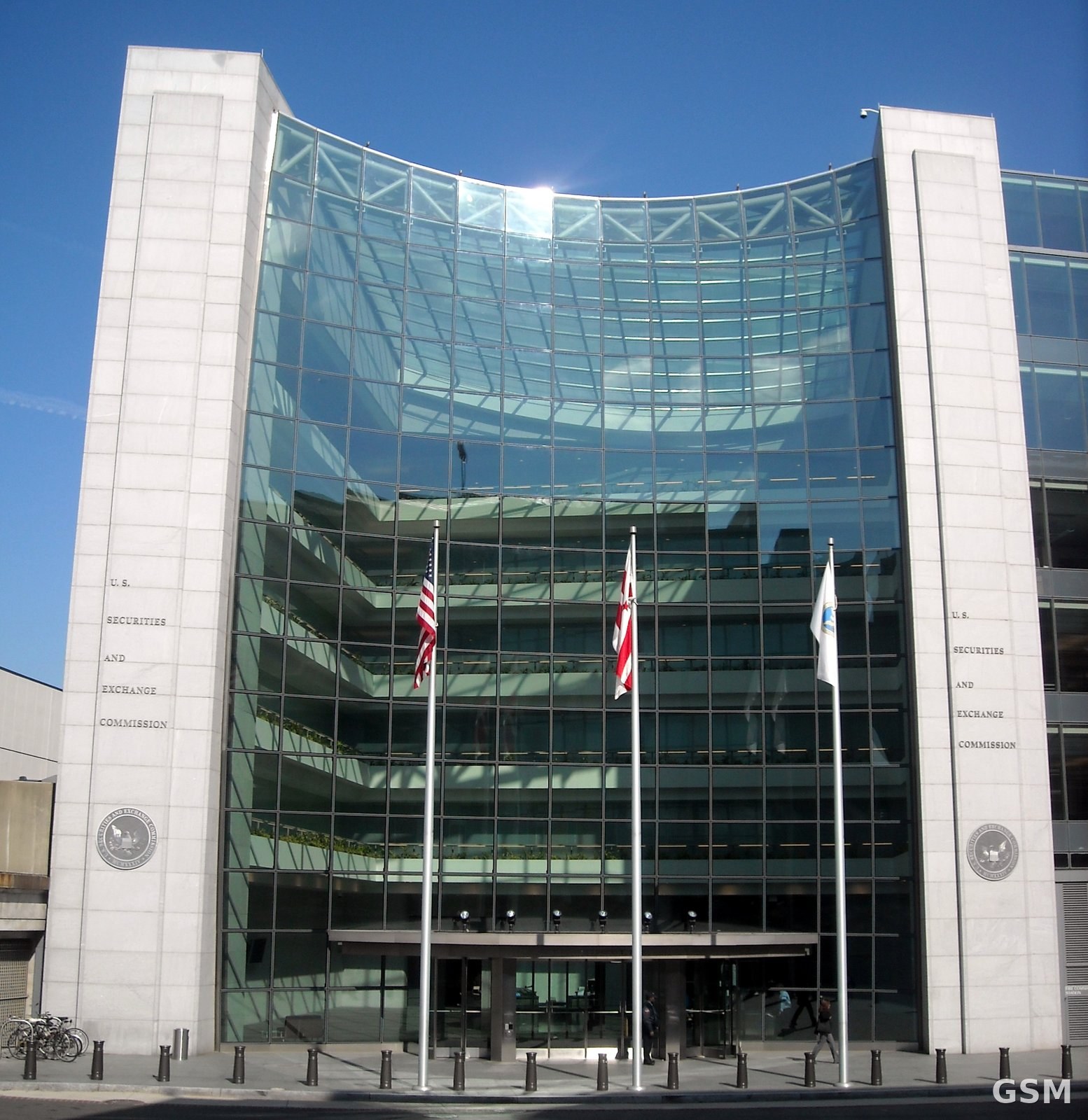
Photo: 图:美国证券交易委员会总部大楼(固定图库)。AgnosticPreachersKid 摄,CC BY-SA 3.0,经 Wikimedia Commons。 / Photo: U.S. Securities and Exchange Commission headquarters (file photo). By AgnosticPreachersKid, CC BY-SA 3.0, via Wikimedia Commons.