Clashes Erupt Outside National Guard Site Near Kyiv Over Claims Mobilised Men Were Held in a Basement; Ukraine's State Bureau of Investigation Opens Case
On the evening of November 2, 2026, clashes broke out outside a private house used by Ukraine's National Guard in the village of Petropavlivska Borshchahivka, in Bucha Raion of Kyiv Oblast on the western outskirts of the Ukrainian capital Kyiv: about 100 residents gathered in protest and confronted police and National Guard personnel at the scene. The confrontation was triggered by claims spreading on social media that day — that several dozen mobilised men were being held in the house's basement, had been beaten, and were being denied medical care.
According to RFE/RL and Kyiv Independent reporters at the scene, the crowd included people who said they were relatives of the men inside; some demanded to be let into the house and shouted that people inside were being tortured, while others pelted a police bus with rocks and eggs, tried to overturn the vehicle and smashed police car lights, as riot police used tear gas. Ukrainian public broadcaster Suspilne reported that warning shots were also heard. Kyiv police said officers were first called by a private ambulance crew who said they were being prevented from treating an unidentified person.
National Guard commander Oleksandr Pivnenko came to the site that evening and told the crowd that the house is a leased temporary accommodation and processing point where mobilised personnel complete registration and checks before being sent to a training centre, and that the men inside also included servicemen brought back after leaving their units without authorisation. The National Guard's 1st Corps ("Azov") said the house held 17 newly mobilised men and servicemen awaiting proceedings over unauthorised absence; accounts of the total number of people inside varied, from 14 to 25. Four servicemen reported medical problems and were taken to hospital; the Azov Corps confirmed that all four had sustained injuries and said those responsible would be punished if unlawful use of force was proven.
On November 3, Ukraine's State Bureau of Investigation announced that it had opened criminal proceedings under Part 5 of Article 426-1 of the Criminal Code (abuse of authority by a military official) to examine whether servicemen had been held against their will and whether military personnel had exceeded their powers, with investigators working at the scene alongside the prosecutor's office, the national police and the military ombudsman's office. The National Guard launched an internal investigation, and Interior Minister Ivan Vyhivskyi ordered an official inquiry into the events. Ukraine's Security Service (SBU) separately opened cases into the unrest itself, saying it had identified about 100 active participants and was considering detentions, while examining whether the episode had been an organised provocation; Kyrylo Budanov, head of the Presidential Office, who also came to the scene, called it a staged propaganda operation. Ukraine's human rights ombudsman Dmytro Lubinets demanded clarity about the tasks of the personnel at the site and the legality of their actions.
Kyiv regional police stated plainly that reports of unlawful detention and of one person having died were false. Police and the Ukrainian investigative outlet Slidstvo.Info also noted that the woman who first spread the detention claims had presented herself as the owner of a private ambulance company, but the company had ceased operating in 2023 and the ambulance seen at the scene had been sold two years earlier; whether these details support the "staged" account remains for the investigations to establish. As of publication, the allegations of beatings and torture had not been officially confirmed, and the State Bureau of Investigation said it would distinguish verified information from unconfirmed claims.
The clash once again exposed long-running friction over Ukraine's mobilisation system. Recruitment is run by territorial recruitment and social support centres, and the widely resented practice of recruiters driving around in minibuses and forcibly detaining men believed to be evading service — dubbed "busification" — has drawn persistent public anger; according to the ombudsman's office, it received more than 6,000 complaints about possible violations during recruitment in 2025. With the war continuing since Russia's full-scale invasion in February 2022, Ukraine's military and government face sustained pressure to keep replenishing front-line units.
(Source: State Bureau of Investigation of Ukraine)
Source: State Bureau of Investigation of Ukraine
Published by GSM · USA (original Chinese edition)
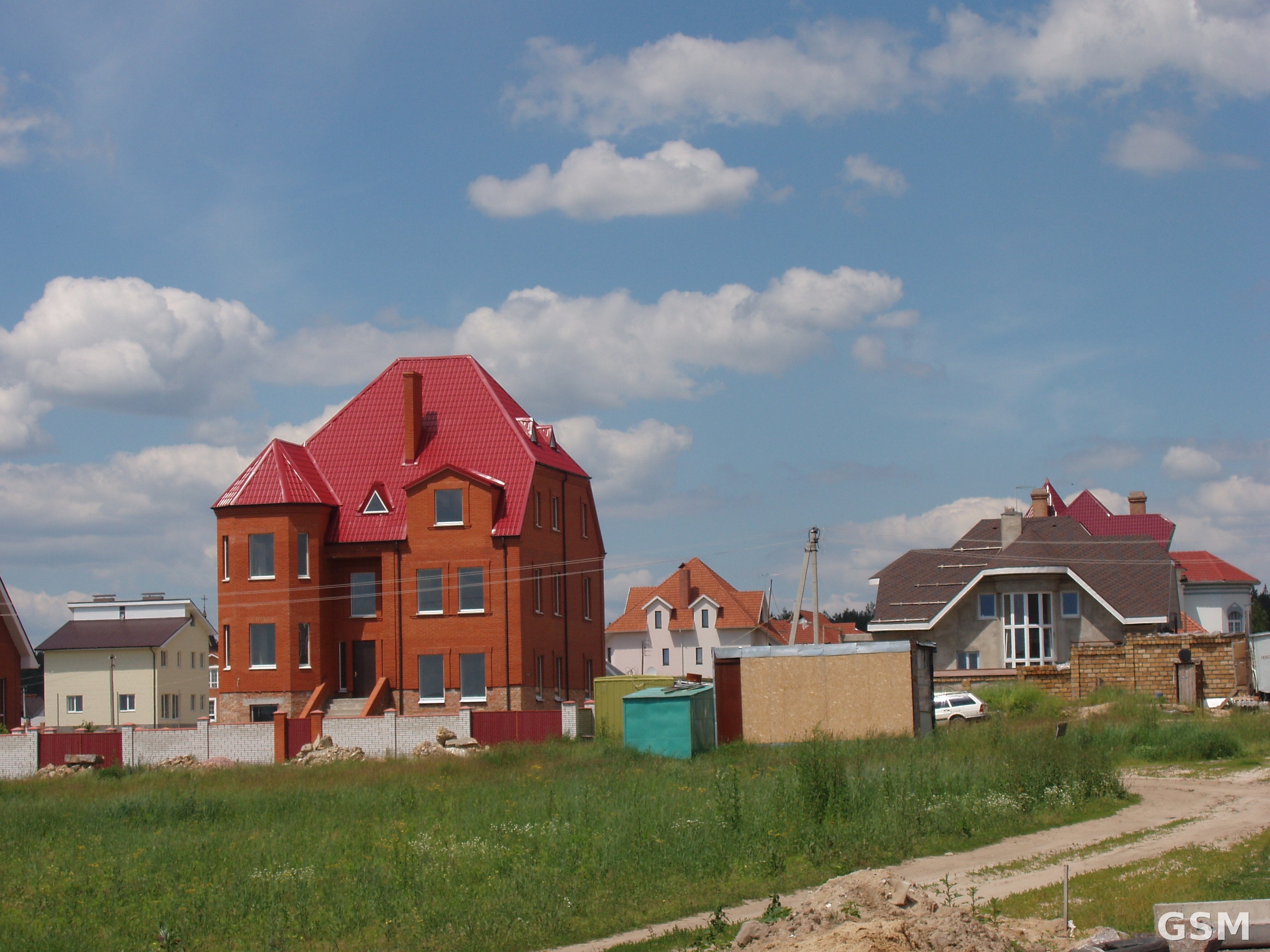
Photo: 图:事发地乌克兰基辅州 Petropavlivska Borshchahivka 村街景资料图。公共领域,经 Wikimedia Commons。 / Photo: Street scene in the village of Petropavlivska Borshchahivka, Kyiv Oblast, Ukraine, where the clash took place, file photo. Public domain, via Wikimedia Commons.