4.1-Billion-Year-Old Martian Meteorite Teghaza 001 Goes on Display in Maine Next Week: Found in Mali Desert, Water Studies Point to Early Mars Water-Rock Interaction
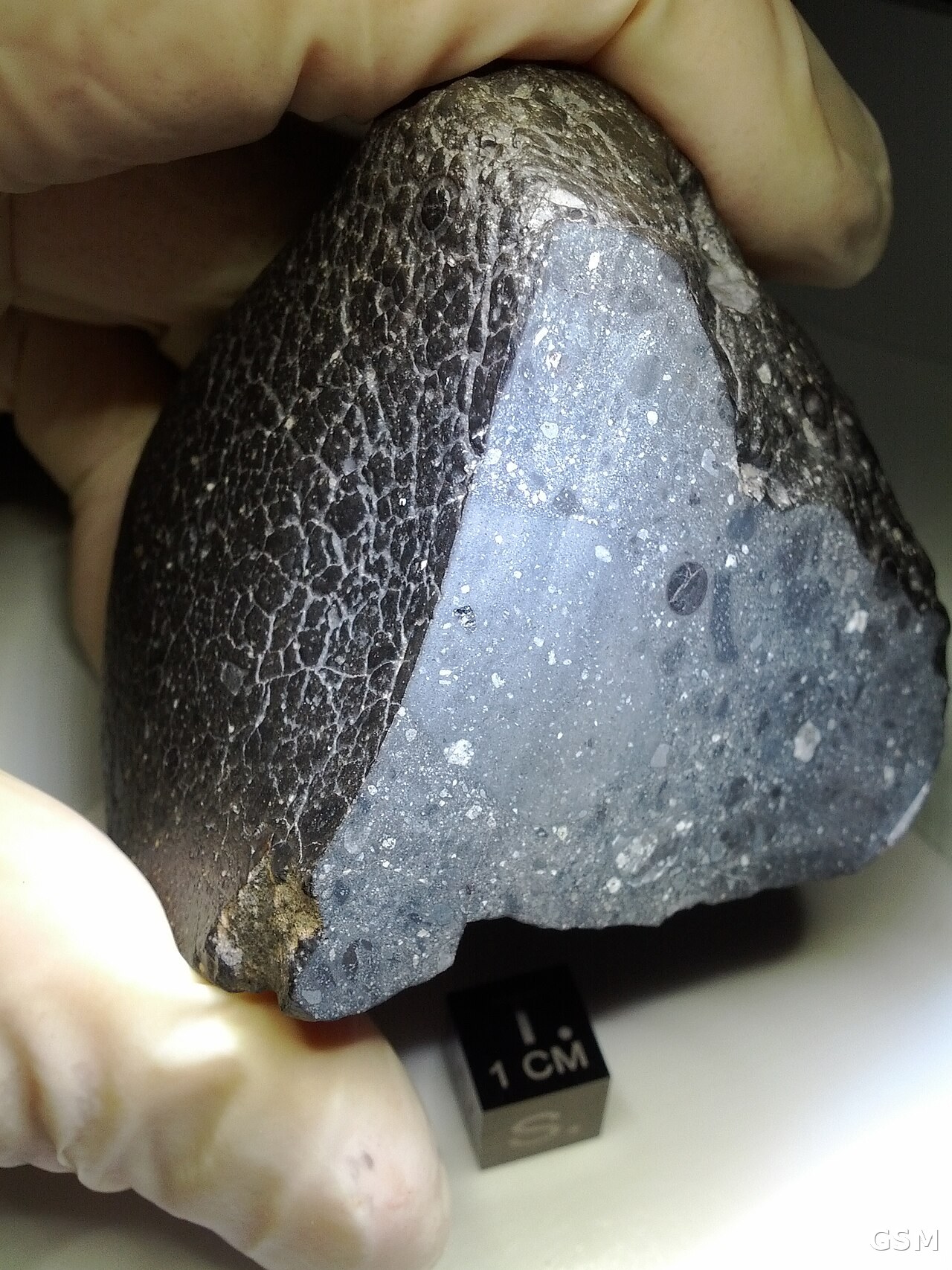
The Maine Mineral & Gem Museum in Bethel, Oxford County, Maine, announced on Nov. 3 the exclusive, limited-time exhibition of Teghaza 001, a remarkably preserved 4.1-billion-year-old Martian meteorite. Discovered in the Malian desert, the specimen will be on public display starting the week of November 9, 2026, in the museum's space rocks gallery featuring the Stifler Collection of meteorites.
According to NASA's Jet Propulsion Laboratory announcement of October 29, what scientists learn from future studies of the meteorite could help answer many questions, including how water and rocks interacted on ancient Mars. A separate paper published in Science Advances in June detailed the meteorite's water content, offering a look at how water shaped the early planet's surface.
“A child in rural Maine being able to touch the Moon and Mars is something previously unimaginable,” said Executive Director Jean Benedict, adding that wonders can and do exist in rural settings, and such an experience is a potentially life-changing encounter.
The museum opened in 2019 in Bethel, in one of the oldest commercial buildings in town, and now holds over 80,000 specimens of pegmatites, polished gemstones and precious minerals mined in Maine, in addition to a collection of some of the oldest Martian and lunar meteorites. Since opening, it has welcomed over 100,000 visitors, 9,000 of them students. The museum is at 99 Main Street, Bethel, Maine 04217.
(Source: Maine Mineral & Gem Museum)
Source: Maine Mineral & Gem Museum
Published by GSM · USA (original Chinese edition)
Photo: 火星陨石 NWA 7034「黑美人」(示意图,NASA,公共领域,Wikimedia Commons)