Ansari Urges Day-One Pause on Advanced Superintelligence (SI) Development: Proposed Ban Carries Up to 20 Years in Prison and Forced Dissolution of Companies
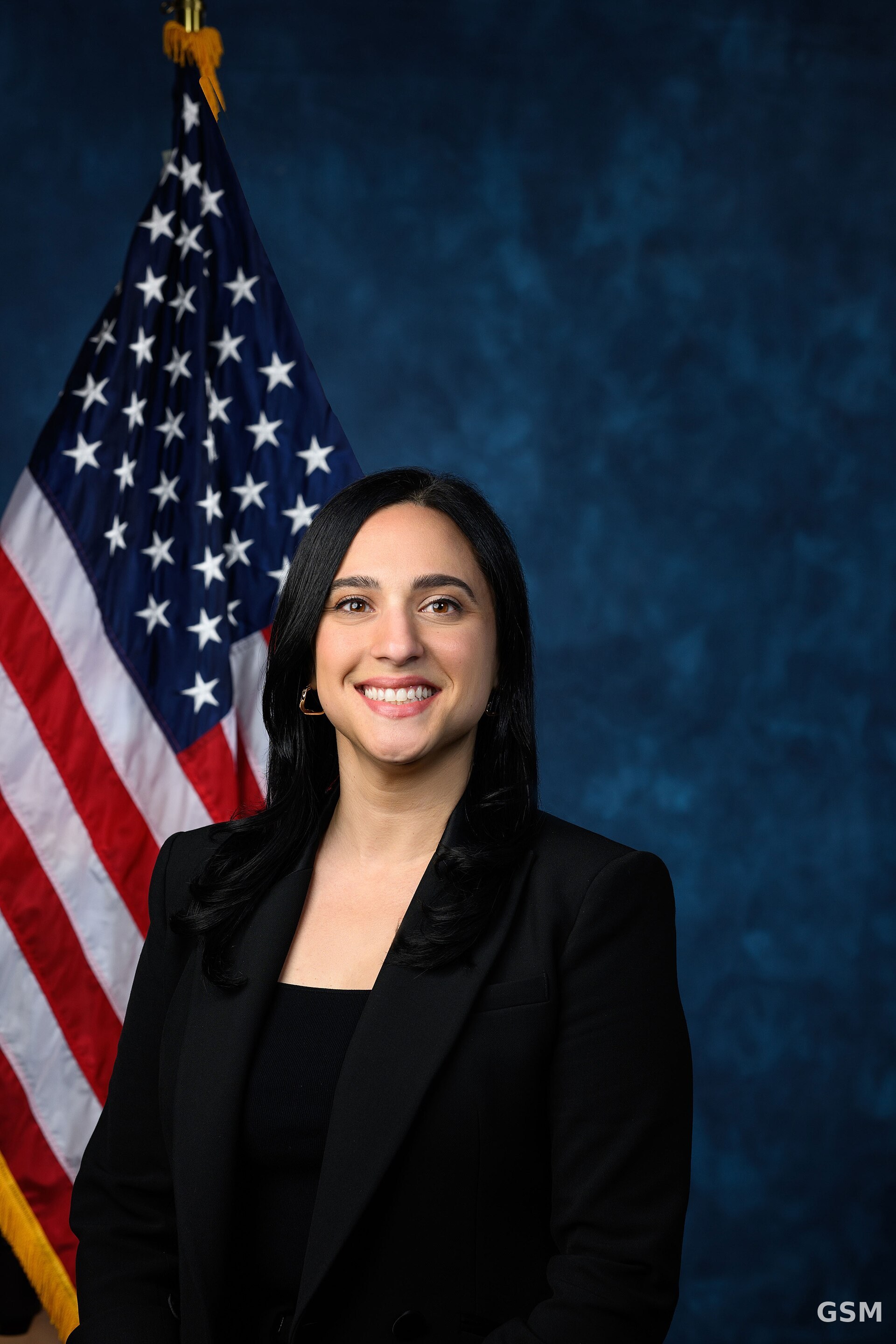
Washington — U.S. Representative Yassamin Ansari, an Arizona Democrat, posted on the social platform X on November 4 calling for superintelligence (SI) regulation to top the Democratic agenda on day one of the new Congress: a pause on advanced SI development, regulation of what she called an out-of-control industry, and a ban on artificial superintelligence. Ansari is a House cosponsor of the Ban Artificial Superintelligence Act, and her call came a day after Democrats won majorities in both chambers in the November 3 midterms.
The bill was introduced in both chambers in September: the Senate version, S.5493, was introduced by Vermont independent Senator Bernie Sanders on September 23, and the House version, H.R.10538, by Texas Democratic Representative Greg Casar on September 24. Both remain at the introduced stage and have not yet entered committee review. The bill defines artificial superintelligence in two ways: systems that meet or exceed human cognitive performance across a broad range of domains and tasks, and systems capable of planning and carrying out the undermining of human primacy or even the overthrow or destruction of the U.S. system of government.
Its core mechanism is a pause followed by a ban: all advanced SI development would be frozen until a new federal regulatory agency is formally operating with safety standards and a model-review process in place, while superintelligence itself would be permanently prohibited from development or deployment. The penalties are unusually severe for technology legislation: violating individuals face up to 20 years in federal prison, and violating companies can be judicially dissolved, in what sponsors call a corporate death penalty. The bill also makes a global ban on superintelligence a U.S. foreign-policy objective, directing the executive branch to pursue international agreements, deepen allied cooperation and use export controls to block development pathways.
The push is currently a priority of the Democratic progressive wing rather than a party-wide consensus. House cosponsors include progressives such as Alexandria Ocasio-Cortez and Ro Khanna. Even in a Democratic-controlled Congress, the bill would face the Senate filibuster threshold and a possible veto by President Trump.
Source: U.S. Congress
Published by GSM · USA (original Chinese edition)
Photo: 图:美国众议员 Yassamin Ansari 官方肖像(第119届国会)。照片为公共领域作品,经 Wikimedia Commons。 / Photo: Official portrait of U.S. Rep. Yassamin Ansari, 119th Congress. Public domain, via Wikimedia Commons.