Bay Area Delays Zero-NOx Water Heater Rule to January 2028, With Exemptions for Low-Income Households
The Bay Area Air Quality Management District (BAAQMD), the regional air regulator for California's San Francisco Bay Area, said in a November 4 news release that its Board of Directors voted that day to amend Rule 9-6, delaying the zero-NOx residential water heater requirement by one year — from January 2027 to January 2028 — and establishing exemptions for low-income property owners and for properties where electrical or space constraints make the transition especially difficult.
The standard applies only when a property owner replaces an existing water heater. It does not require any household to remove a working appliance, and it does not apply to stoves, dryers or fireplaces. “This decision protects public health and respects what households can manage,” said Board Chair Lynda Hopkins.
The exemptions cover low-income property owners earning less than 80 percent of Area Median Income, including participants in programs such as Medi-Cal or CalFresh; households paying more than 28 percent of their income toward mortgage and property taxes; space-constrained properties without enough room or ventilation for a compliant unit; and properties with electrical limitations, such as panels below 100 amps, insufficient panel capacity, or a need to run electrical lines more than 50 feet. The amendments also allow temporary installations in emergencies and further delay the compliance date to January 1, 2033, for water heaters in multifamily buildings and deed-restricted affordable housing. Water heaters of 30 gallons or less and mobile home water heaters are not required to comply with the zero-NOx standard.
Rule 9-6 has limited nitrogen oxide emissions from natural gas-fired water heaters since 1992, and the district set the zero-NOx standard in a 2023 amendment. NOx contributes to smog and fine particulate matter, and district analysis found that pollution from gas-fired water heaters and furnaces causes as many as 85 premature deaths and 15,000 asthma attacks in the Bay Area each year. “Water heaters are a significant source of air pollution in the Bay Area, and cleaner alternatives can help people live longer, healthier lives,” said Executive Officer Dr. Philip Fine. “With these practical amendments, the Board focuses the rule on the properties that can most easily make the switch and gives relief to households that cannot afford the change without financial assistance.”
The district published draft amendments on July 14, 2026, issued a rule proposal package on October 2, and accepted public comment through the fall. Property owners can find guidance on the compliance timeline, exemption categories and available rebates on the district's Building Appliances web page. The district is the regional agency responsible for protecting air quality in the nine-county Bay Area. (Source: Bay Area Air Quality Management District)
Source: Bay Area Air Quality Management District
Published by GSM · USA (original Chinese edition)
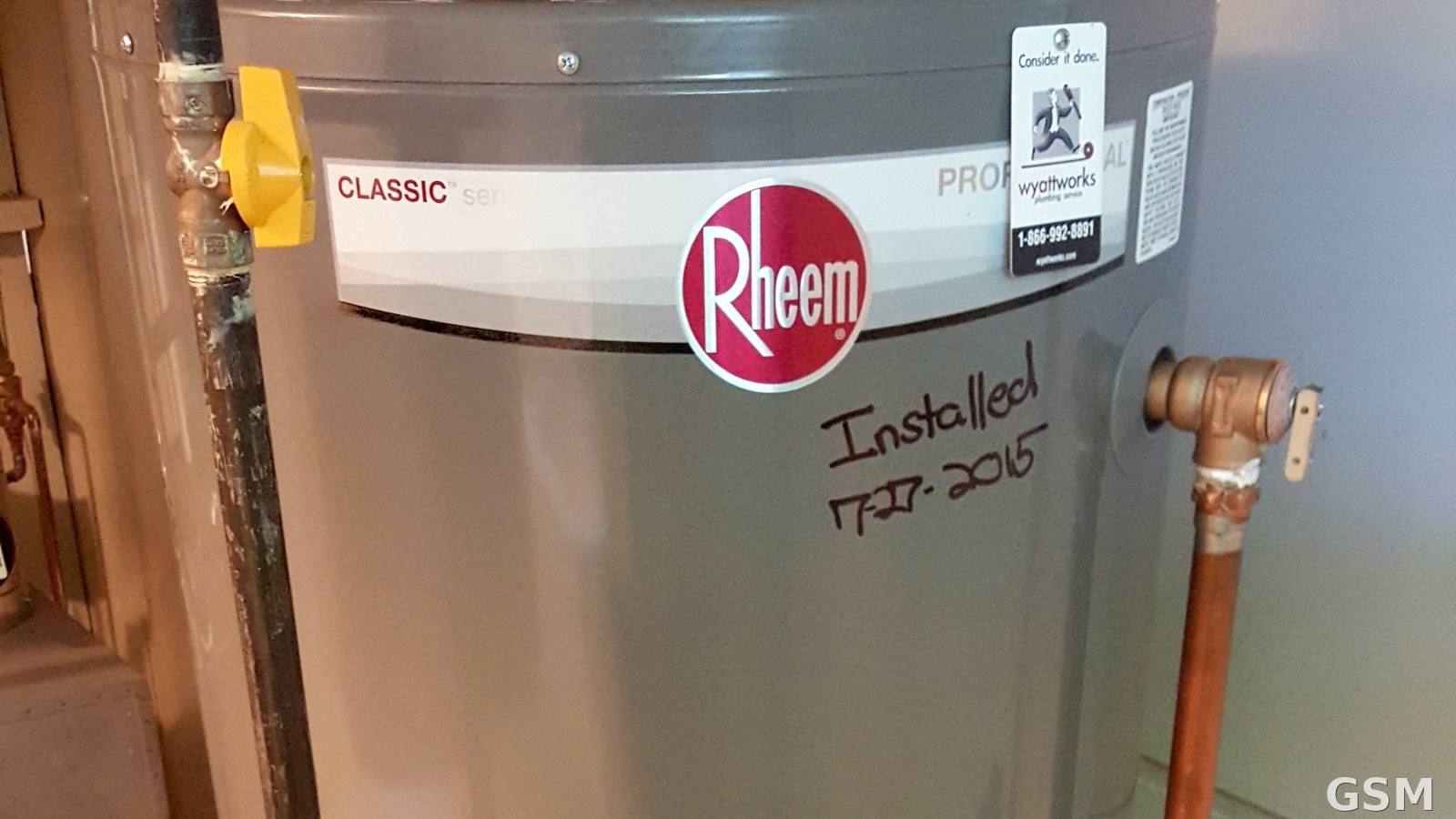
Photo: 图:住宅燃气储水式热水器。Tim Evanson 摄,Wikimedia Commons,CC BY-SA 2.0。 / Photo: A residential gas storage water heater. Tim Evanson, Wikimedia Commons, CC BY-SA 2.0.