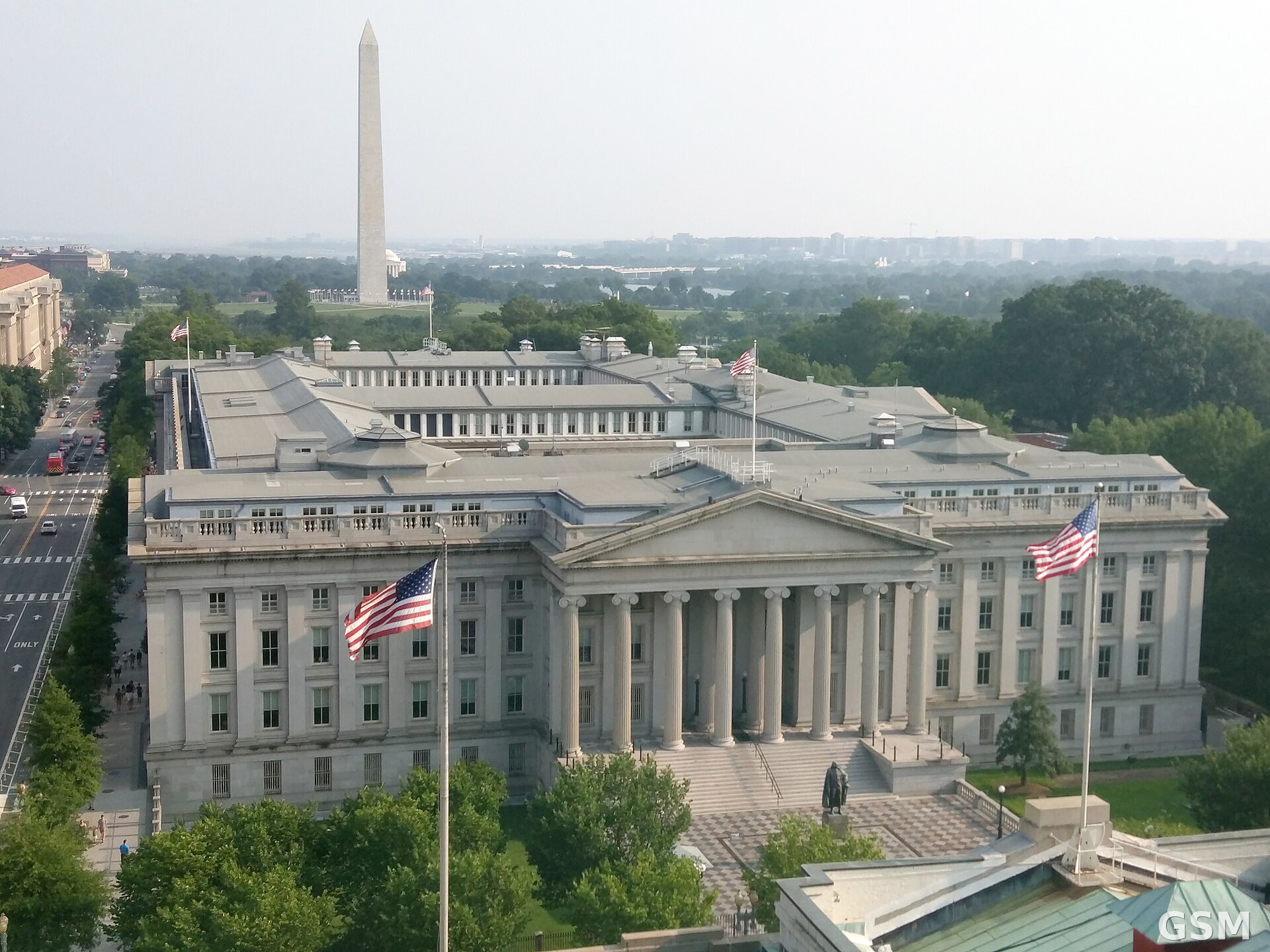
Interior Unveils Refuge Overhaul: 29 Recommendations to Strengthen Habitat Management and Expand Hunting and Fishing Access
Washington — The U.S. Department of the Interior and the U.S. Fish and Wildlife Service on November 6 released Rooted in Purpose, a review of the National Wildlife Refuge System, alongside Secretary of the Interior Doug Burgum's Secretary's Order, Making America's National Wildlife Refuges Great Again.
The order directs the Service to strengthen field operations, support active habitat management, prioritize refuge purposes and expand compatible wildlife-dependent recreation.
The report's 29 recommendations call for strengthening hunting and fishing coordination, increasing refuge law enforcement staffing, directing more resources to field operations and removing barriers to practical conservation work. They also address essential infrastructure, effective partnerships and administrative support that enables employees to do their jobs.
"Conservation happens on the ground, led by the people closest to our lands and wildlife who know them best," said Secretary of the Interior Doug Burgum. "Under President Trump's leadership, we're cutting red tape and putting resources where they will have the biggest impact. These commonsense recommendations provide a practical path to healthier wildlife habitats, stronger partnerships and more opportunities for Americans to hunt, fish and enjoy the public lands that belong to them."
Directed by U.S. Fish and Wildlife Service Director Brian Nesvik under Director's Order 230, the review drew on employee surveys, refuge visits and outreach to states, tribes, private landowners, hunting and conservation organizations, retirees and local communities. Reviewers conducted 41 in-person refuge visits, 118 virtual visits and four regional office visits. Two internal surveys received more than 1,000 responses, and an external survey received more than 2,000 responses.
"Refuge employees know what the land needs and what it takes to get the work done," said U.S. Fish and Wildlife Service Director Brian Nesvik. "Their experience shaped this review, and their input will help us put its recommendations into action."
The recommendations address four areas. On mission and habitat, they call for keeping management focused on refuge purposes and supporting appropriate use of prescribed fire, grazing, agriculture, active forest management, invasive species control and predator management. On organization and public access, they call for reducing unnecessary headquarters and regional management layers, directing positions toward field operations, and strengthening hunting and fishing coordination and refuge law enforcement. On maintenance and infrastructure, they call for prioritizing essential assets, improving maintenance assessments and expanding the use of shared crews and equipment. On partnerships and administrative support, they call for stronger cooperation with states, tribes, landowners and other partners while simplifying processes that impede fieldwork.
The report also recommends clearer expectations and accountability for conservation planning and timely decisions on proposed refuge uses. The Service will use the recommendations to guide implementation planning, identify responsible offices and determine the resources and approvals needed for specific actions. (Source: U.S. Department of the Interior)
Source: U.S. Department of the Interior
Published by GSM · USA (original Chinese edition)
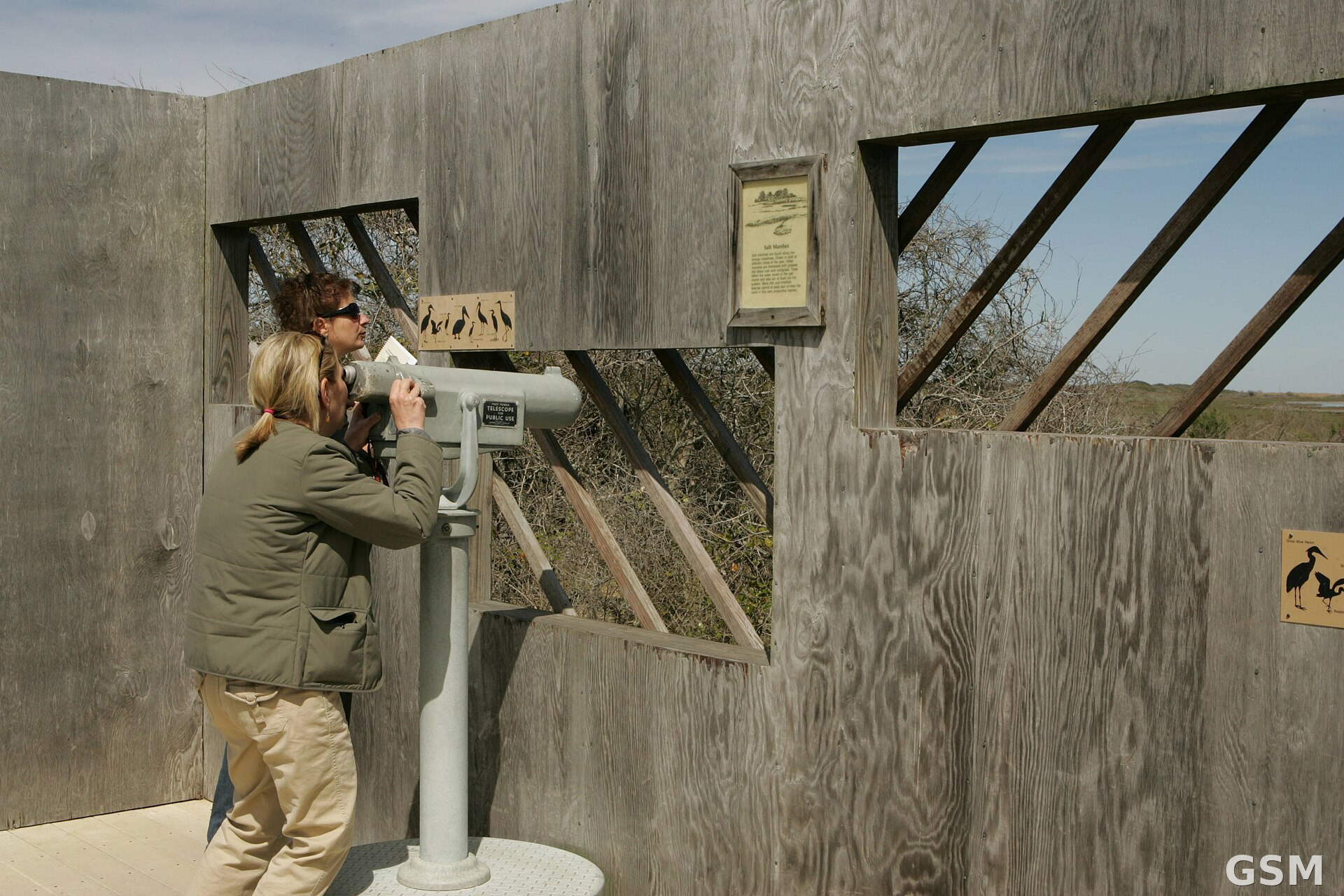
Photo: 图:民众在 Aransas 国家野生动物保护区观鸟。照片:Steve Hillebrand,美国鱼类及野生动物管理局(公共领域),经 Wikimedia Commons。 / Photo: Bird observation at Aransas National Wildlife Refuge. Photo by Steve Hillebrand, U.S. Fish and Wildlife Service (public domain), via Wikimedia Commons.