Louisiana Adds Seven Practices to Regenerative Pilot Program as FY2027 Funding Rises to $1 Billion
The U.S. Department of Agriculture's (USDA) Natural Resources Conservation Service (NRCS) in Louisiana announced in Alexandria, Rapides Parish, on November 6 that seven additional conservation practices will be eligible in the state under the Regenerative Pilot Program in fiscal year 2027, giving local producers more options to adopt conservation systems that improve soil health, water quality and long-term farm resilience. Producers can now apply for assistance with the practices through their local NRCS Service Center under a single regenerative application process.
The seven practices added in Louisiana are Riparian Forest Buffer (391), Tree/Shrub Establishment (612), Silvopasture (381), Riparian Herbaceous Cover (390), Pasture and Hay Planting (512), Grassed Waterway (412), and Field Border (386). NRCS said the additions were selected through its locally led conservation model, under which State Technical Advisory Committees recommend practices that reflect local resource concerns, production systems and producer needs, complementing the program's core practices available nationwide.
"The Regenerative Pilot Program offers producers a comprehensive, whole-farm conservation solution to resource concerns through a single application. Including these additional practices allows producers greater flexibility and options when planning and implementing regenerative practices as part of the program," said Sarah Trichel, NRCS State Conservationist in Louisiana. She said the update demonstrates USDA's commitment to putting farmers first and advancing a healthier, more resilient food system.
For fiscal year 2027, USDA increased financial assistance for the Regenerative Pilot Program from $700 million to $1 billion, dedicating $650 million through the Environmental Quality Incentives Program (EQIP) and $350 million through the Conservation Stewardship Program (CSP) to fund the second year of regenerative agriculture projects. Producers can bundle multiple regenerative practices into one application, and the program is designed for both beginning and advanced producers.
Another fiscal year 2027 change lowers the barrier to entry: for the Conservation Stewardship Program, the requirement to address Louisiana's identified critical soil and water resource concern drops from 100% of an applicant's land to 75%, while whole-farm planning and the outcome-based approach are preserved. The program also provides multiple monitoring and evaluation options tailored to cropland, grazing lands and forestry operations.
Farmers and ranchers interested in regenerative agriculture can sign up anytime throughout the year at their local NRCS Service Center, with applications for both EQIP and CSP submitted under the single regenerative application process. For more than 90 years, NRCS has helped farmers, ranchers and forestland owners invest in their operations through voluntary, incentive-based conservation programs, providing one-on-one technical advice and financial assistance.
Related: Colorado Adds Two Measures to Regenerative Agriculture Pilot
(Source: USDA Natural Resources Conservation Service)
Source: USDA Natural Resources Conservation Service
Published by GSM · USA (original Chinese edition)
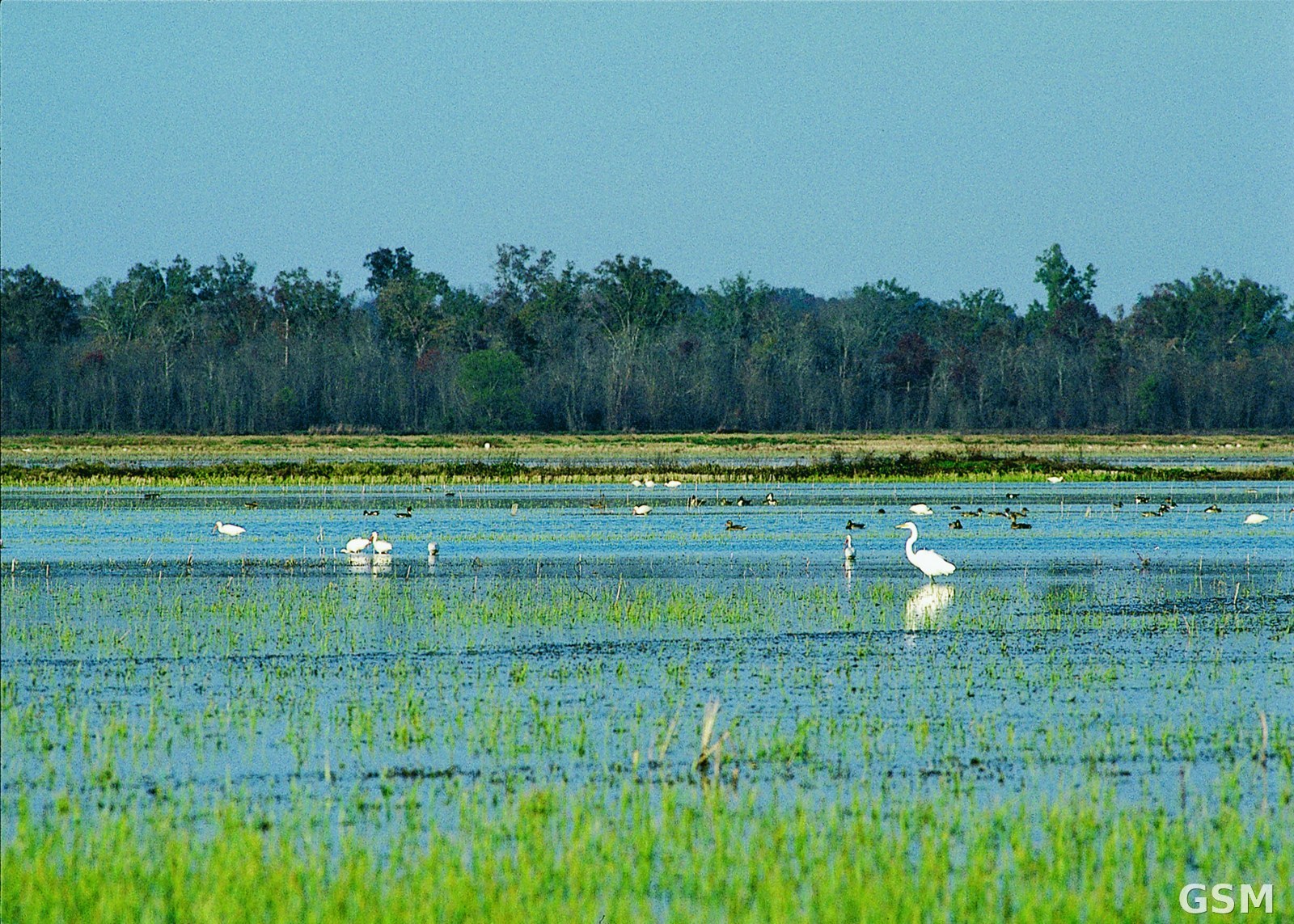
Photo: 图:路易斯安那州水稻收获后淹水的农田,各类水鸟在此栖息。美国农业部自然资源保护局(NRCS)图库照片,公共领域,经 Wikimedia Commons。 / Photo: Farmland flooded after rice harvest in Louisiana, habitat for many species of waterfowl. USDA Natural Resources Conservation Service Photo Gallery, public domain, via Wikimedia Commons.