FDA Investigating Serious Risk of Malignancy Linked to Zolgensma Gene Therapy

The U.S. Food and Drug Administration (FDA) said in a safety communication on November 6 that it has received postmarketing adverse event reports of malignancies in patients treated with Zolgensma, an adeno-associated virus (AAV) vector-based gene therapy for spinal muscular atrophy (SMA), including confirmed reports of product-related insertional oncogenesis involving the GLI1 gene. GLI1 is an oncogene that has the potential to cause cancer when overexpressed or abnormally activated.
According to the FDA, postmarketing reports of tumor formation include tumors of the central and peripheral nervous systems, spinal and paraspinal regions, and the kidney. Three cases involved tumors associated with the GLI1 oncogene. In two of those cases, molecular analysis of tumor tissue demonstrated Zolgensma AAV vector DNA integration into the host genome, with the promoter region of the construct inserted upstream of or within the GLI1 oncogene. The mechanism of GLI1 overexpression in the third case remains under investigation. The FDA also noted two published reports of AAV vector integration-driven oncogenesis in other programs.
The FDA has determined that the risk of neoplasia, including malignancy, applies to both onasemnogene abeparvovec products, because they contain the same vector and construct. Zolgensma, given by intravenous infusion, is indicated for pediatric patients less than 2 years of age with SMA and was first approved on May 24, 2019. Itvisma, given by intrathecal injection, is indicated for patients 2 years of age and older and was first approved on November 24, 2025. No cases of neoplasia following Itvisma administration have been reported to date, and the FDA said it is closely monitoring the same risk in other similar AAV vector-based gene therapy programs.
The agency said the overall benefits of Zolgensma and Itvisma continue to outweigh their potential risks for their approved uses, while it investigates the identified risk of neoplasia, including malignancy with serious outcomes, and evaluates whether regulatory action is appropriate. The current U.S. prescribing information for both products notes a theoretical risk of tumorigenicity due to integration of AAV vector DNA into the genome under Warnings and Precautions. Novartis, the sponsor, is conducting long-term follow-up safety studies, and the FDA is expeditiously evaluating whether the current labeling and follow-up studies are adequate to investigate and mitigate the risk.
The FDA said patients and clinical trial participants receiving these products should be monitored for tumor formation. Healthcare providers can report a tumor in a patient receiving Zolgensma, or other suspected adverse reactions, to Novartis Gene Therapies at 1-833-828-3947, or to the FDA at 1-800-FDA-1088 or through the FDA MedWatch reporting system.
(Source: U.S. Food and Drug Administration)
Source: U.S. Food and Drug Administration
Published by GSM · USA (original Chinese edition)
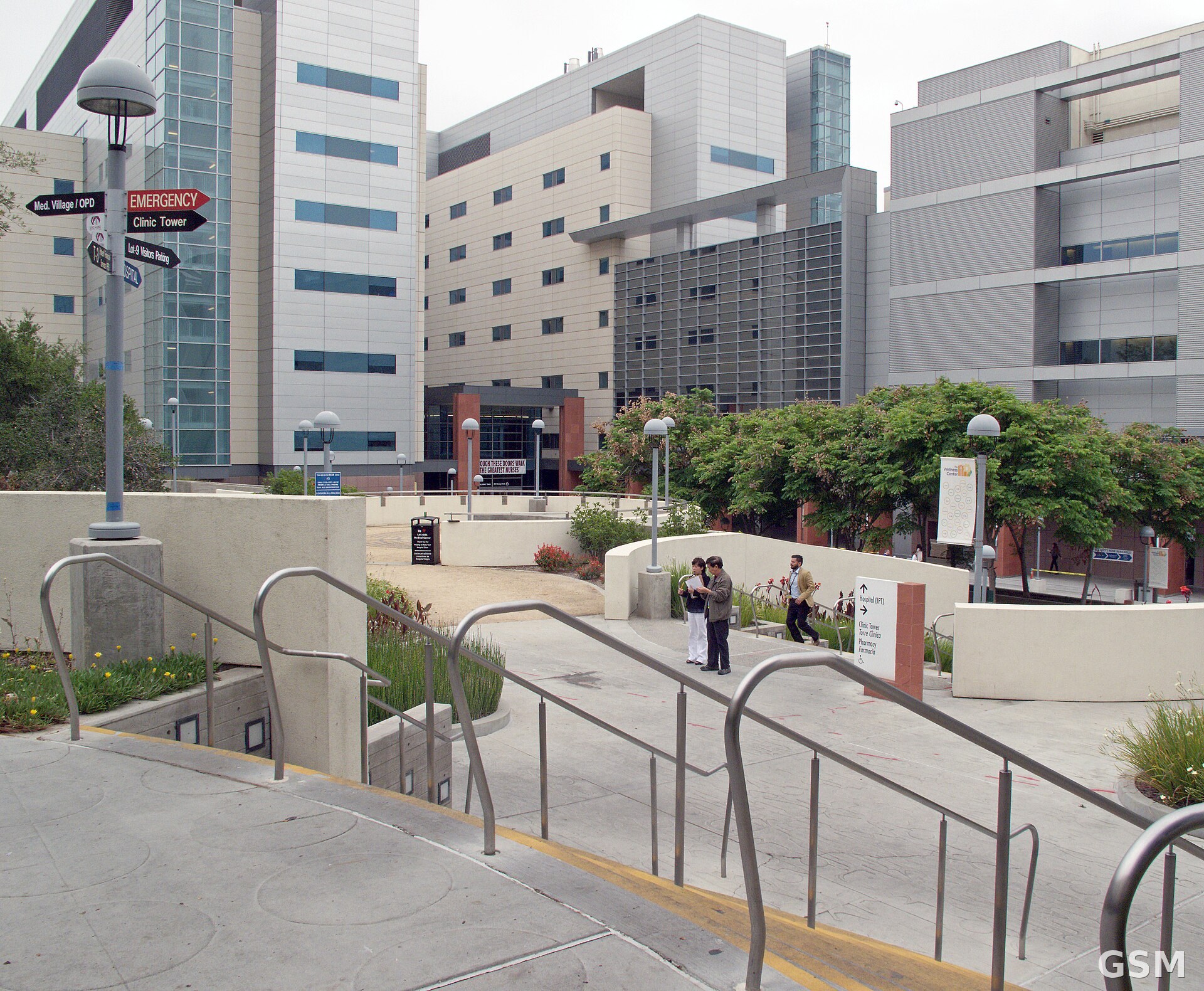
Photo: 图:美国食品药品监管局(FDA)总部大楼(美国政府官方图)。 / Photo: FDA headquarters building (U.S. government photo).