UNHCR: Nearly 90 Million Displaced People Face Severe Climate Threats as Adaptation Funding Falls Short

GENEVA, Switzerland — Nearly 90 million forcibly displaced people are living in countries increasingly exposed to climate-related droughts, floods and extreme heat, the UN refugee agency said on Friday, warning ahead of the COP31 climate summit that more funding is needed to help vulnerable communities adapt. The report, "No Escape III: Displaced Voices from the Frontlines of the Climate Crisis," was released on November 6 ahead of the UN Climate Change Conference in Antalya, Turkey, which runs from November 9 to 20. Nearly three-quarters of the world's forcibly displaced people live in countries exposed to severe climate-related risks, according to the report.
The findings show the overlap between conflict, displacement and climate change. Afghanistan and Bangladesh are among the countries named as most severely exposed. "Climate adaptation in fragile and displacement-affected areas is a matter of survival," said Anton Leis Garcia, UNHCR's assistant high commissioner for operations. "We need climate financing to reach the communities where the needs are greatest," he said.
The report warned that climate change is making it harder for displaced people to return home sustainably. In the first half of 2026, more than two-thirds of refugee returns were to countries highly exposed to climate hazards, placing them at risk of renewed displacement. In Syria, where nearly 4 million displaced people have recently returned, people face worsening water scarcity and erratic rainfall, while flooding along the Euphrates River in May damaged homes and displaced thousands of people, the report said. The report highlighted the experience of a Sudanese refugee who fled conflict in al-Fashir in June 2023 to the Farchana refugee settlement in eastern Chad; she sometimes goes a week without finding safe water and must walk increasingly long distances for alternative sources as nearby seasonal riverbeds dry up amid intensifying heat.
Looking ahead, the report said that across sub-Saharan Africa, one in three refugee settlements could experience at least 100 days of dangerous heat each year by 2050, threatening health and livelihoods. In some settlements in Ethiopia, including Helaweyn, dangerous heat could persist for more than 200 days a year, increasing the risks of heatstroke and premature death. UNHCR also warned that a forecast supersized El Niño could worsen climate-related risks in many refugee-hosting countries and trigger further displacement. In East Africa, severe flooding could displace up to 3 million people in Somalia, Kenya, South Sudan and Uganda by the end of this year, UNHCR said.
Funding is at the heart of the report's appeal: only about 10 percent of climate finance reaches fragile or conflict-affected countries. On Wednesday, a separate UN report found rich countries were falling well short of the $305 billion needed each year to help developing nations adapt to climate change.
Source: UNHCR
Published by GSM · USA (original Chinese edition)
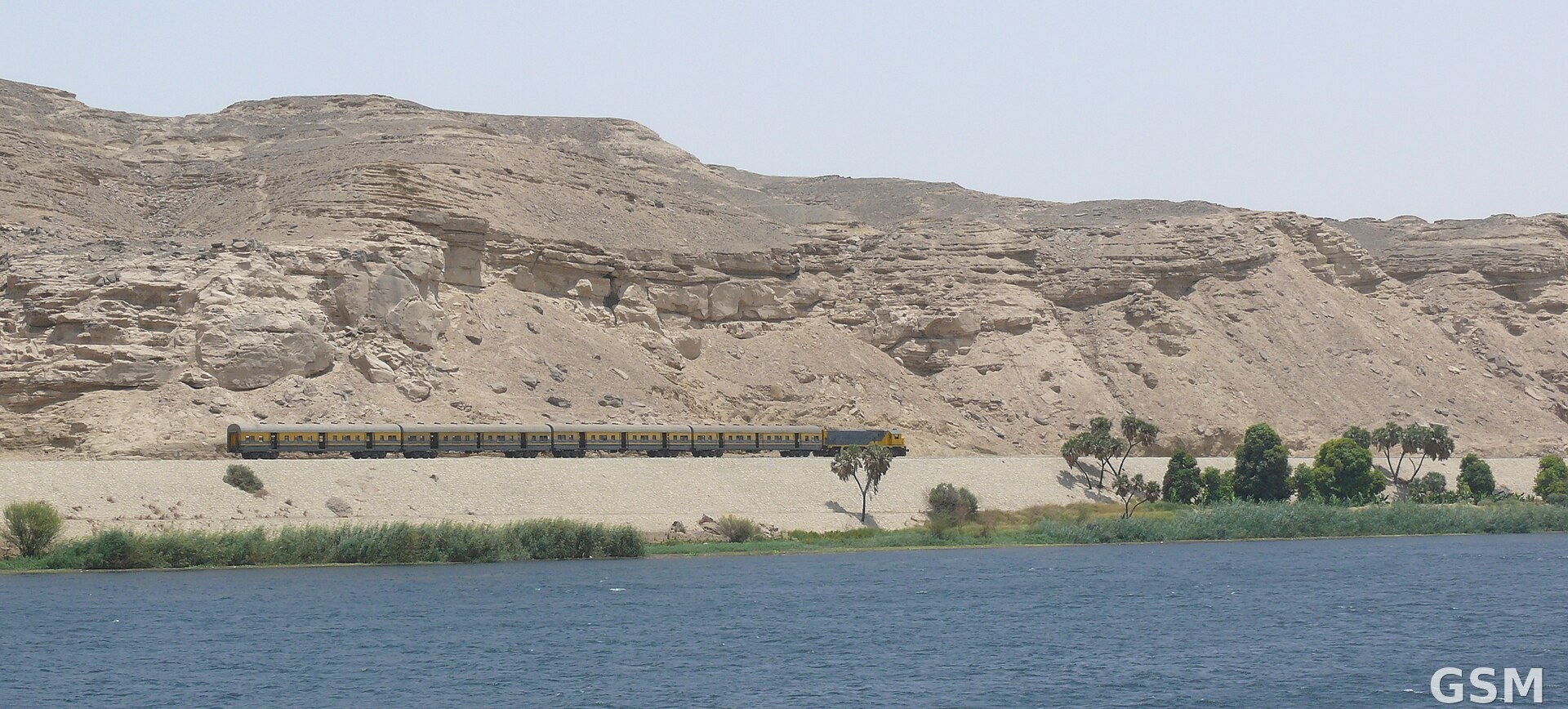
Photo: 图:联合国难民署位于瑞士日内瓦的总部。图片来源:Wikimedia Commons,CC BY-SA 3.0。 / Photo: UNHCR headquarters in Geneva, Switzerland. Photo: Wikimedia Commons, CC BY-SA 3.0.