
Zoological Journal of the Linnean Society Paper: 3D Scans of 127 Skulls Reveal Why Bandicoots and Bilbies Evolved Such Different Snouts — About 35% of Skull-Shape Differences Across 25 Living and Extinct Species Linked to Climate, Location and Body Size
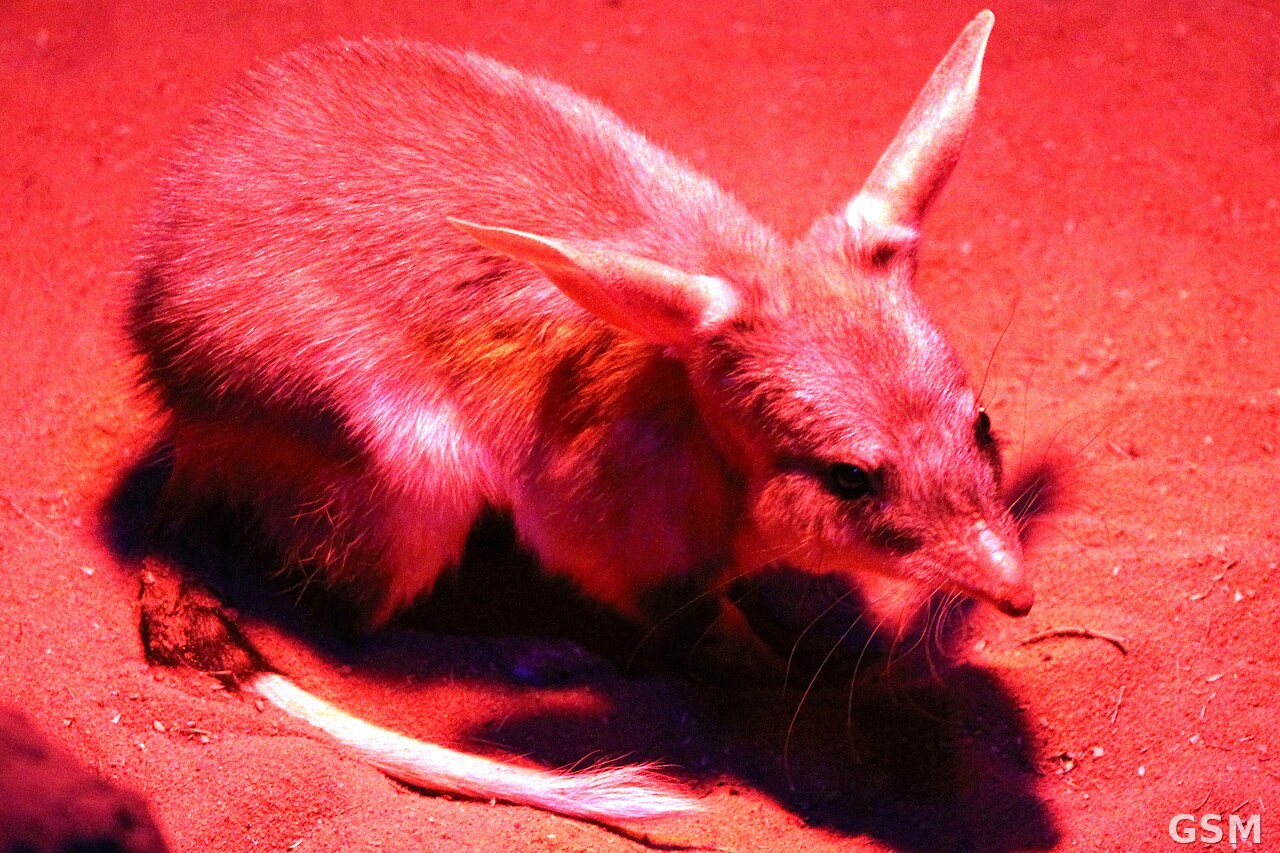
New research led by Murdoch University's Harry Butler Institute compared 3D scans of 127 skulls from 25 living and extinct species of bandicoots and bilbies, finding substantial variation in skull shape across the group. The study, published in the Zoological Journal of the Linnean Society, found that around 35% of the differences in skull shape could be linked to climate, location and body size — a possible explanation for why the quenda has a short, sturdy snout while its relative the bilby has a remarkably long one, after millions of years of adaptation to different environments across Australia and New Guinea.
Associate Professor Natalie Warburton said one of the most striking differences was the length and shape of the animals' snouts. "When people think of bandicoots, they often picture a fairly similar group of small, digging marsupials," Warburton said. "But when we compared their skulls in three dimensions, we found remarkable differences, particularly in the length and shape of their snouts." Short-nosed bandicoots, including the quenda commonly found across southwestern Australia, have relatively short and robust skulls, while Perameles bandicoots and bilbies have much longer, narrower skulls. Importantly, the differences were not simply because some species were bigger than others.
Warburton said skull shape could provide clues about how different species adapted to their environments and ways of finding food. "For animals that spend a lot of their time searching and digging for food, the snout is an important part of how they interact with their environment," she said. "A long, narrow snout may help an animal probe through soil and fallen leaves for food, while a shorter, stronger snout may be better suited to digging."
The study also included extinct species, showing that bandicoots and bilbies were once even more anatomically diverse than they are today. The extinct pig-footed bandicoots, Chaeropus, were particularly unusual, with skull proportions unlike those seen in any bandicoot or bilby alive today.
"A skull can tell us a surprising amount about an animal," Warburton said. "Its shape is influenced by ancestry, feeding, sensory systems, and the mechanical demands placed on the head, so comparing skulls across species gives us another way of understanding how animals have adapted over evolutionary time." The paper, by Meg L. Martin and colleagues, is titled "Continental-scale adaptive radiation in bandicoots and bilbies (Marsupialia: Peramelemorphia) revealed by cranial shape," DOI 10.1093/zoolinnean/zlag172.
Source: Murdoch University
Published by GSM · USA (original Chinese edition)
Photo: 兔耳袋狸(Wikimedia Commons)
 Tesla Unveils Revised SI Accelerator Roadmap: AI4, AI5 and AI6 Renamed SI4, SI5 and SI6, Sixth-Generation SI6 Inference Chip Targets 80 Times the Compute and Nine Times the Memory of the Current Chip, Dojo D3 Moves to Chiplets With Stacked HBM2026-11-08
 STMicroelectronics Adds Four Tools to ST Edge AI Suite: Model Explorer and Companions Consolidate Model Selection and On-Hardware Testing, With Over 400 Pre-Trained Models and More Than 260,000 Projects Supported, Tools Due in Late November2026-11-08