NIH Highlights Wrist-Worn Tracking of Arm Recovery After Stroke: 61 Stroke Patients and 75 Healthy People Wore Accelerometers; Digital Scale DAPS Matched Clinical Tests
BETHESDA, Maryland — The National Institutes of Health (NIH) featured a study on November 5 in its Research Matters series: an NIH-funded team led by Dr. Sunghoon Lee of the University of Massachusetts Amherst created a wrist-worn tool for tracking how patients recover the ability to use their arms after a stroke, with results published in Science Translational Medicine on September 30. This report presents the study’s facts and the NIH summary only, and offers no individual medical advice.
The tool is called the digital arm performance scale (DAPS). The researchers built it from two sets of data: one collected using specific clinical tests that assess participants’ arm function, and the other from monitoring participants’ arm movements during everyday life. Sixty-one people who had experienced a stroke within six months of the study and 75 healthy people wore accelerometers on their wrists for thousands of hours in total for the data collection; the journal abstract says DAPS was constructed by analyzing about 23,000 hours of data from 215 participants, including healthy individuals and subacute and chronic stroke survivors, and the researchers used machine learning to detect patterns in the data.
According to the NIH summary, among the stroke patients whose data was used to create DAPS, the tool tracked improvements in arm movement as well as the clinical tests did, and using only data about everyday arm movements, DAPS could separate healthy people from those recovering from a stroke. The journal abstract adds that power analysis indicated DAPS could reduce the required sample size for clinical trials with upper-limb motor recovery end points by more than 60% compared with traditional assessments. The tool is a research result; the NIH summary does not describe it as part of routine clinical care.
Source: National Institutes of Health
Published by GSM · USA (original Chinese edition)
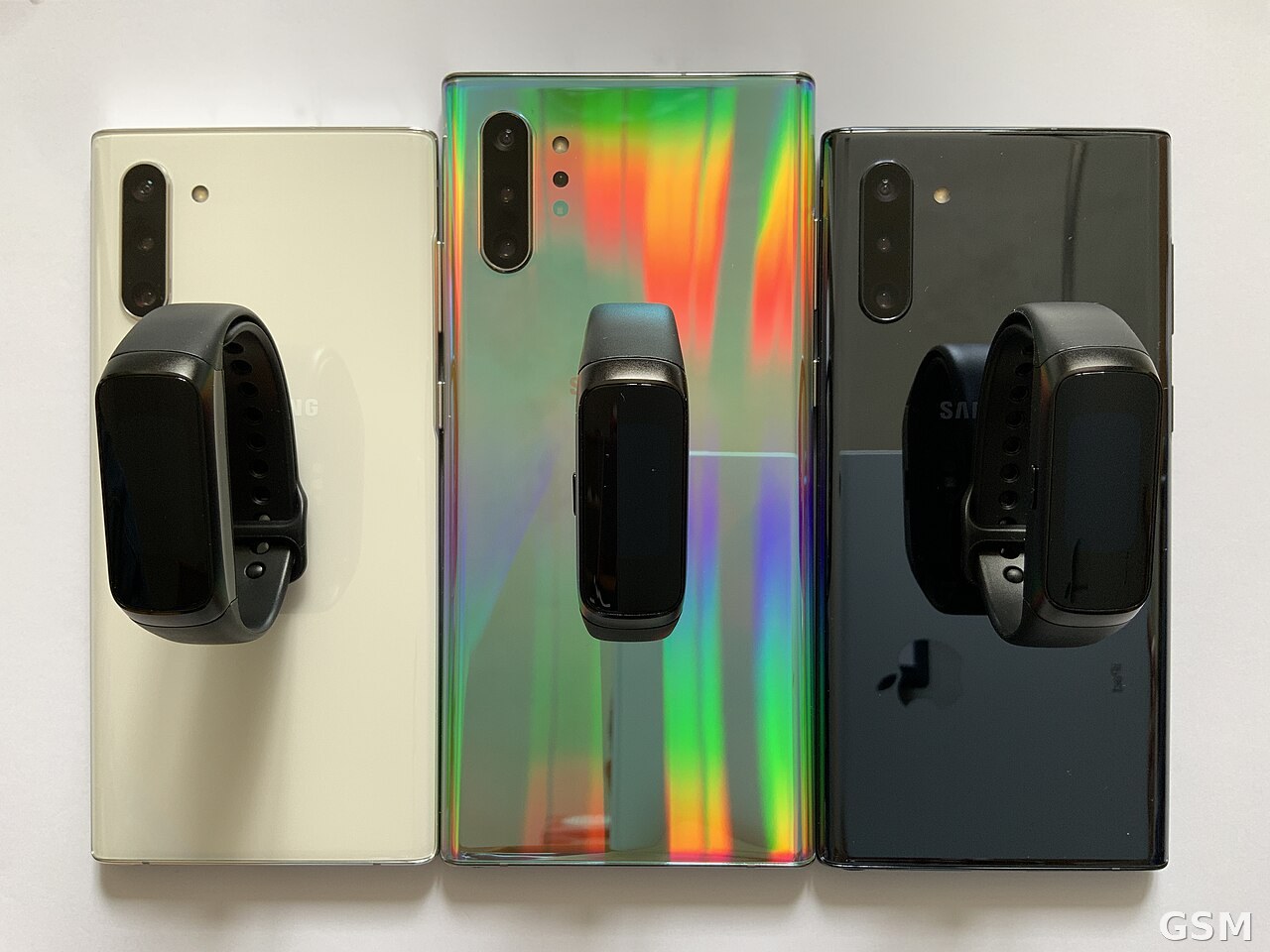
Photo: 腕戴式运动追踪设备(示意图,Wikimedia Commons)