COP31 Climate Talks Open November 9 in Antalya: More Than 190 Countries Meet Through November 20, While New National Plans Point to Just a 6% Emissions Cut by 2035 Against the 60% a 1.5°C Pathway Requires
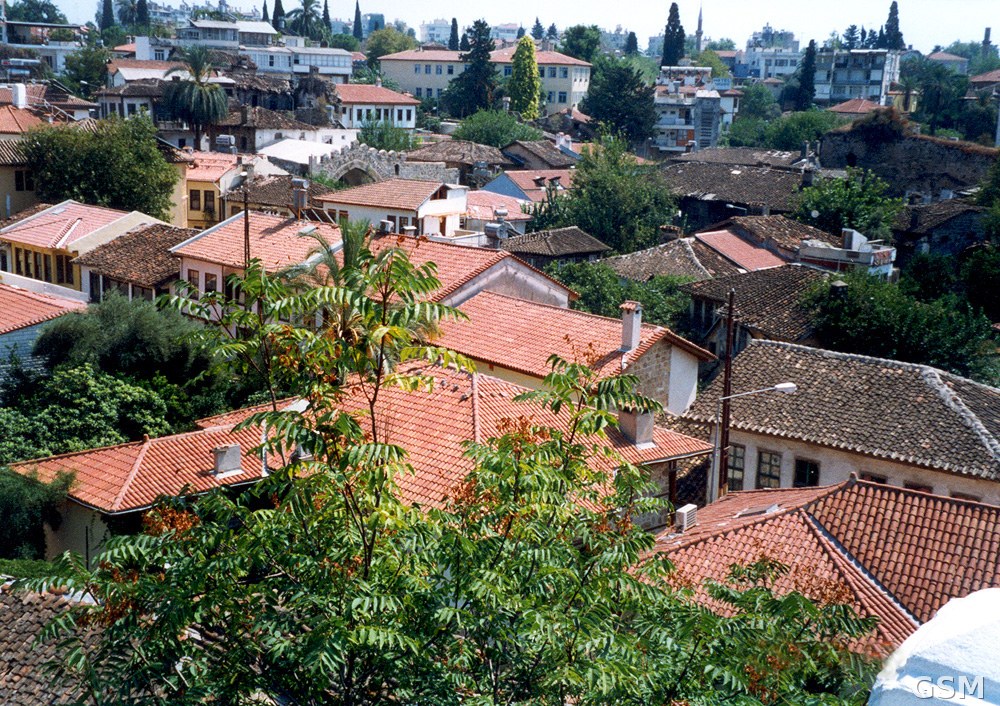
The 31st UN climate conference, COP31, opens in Antalya, Türkiye, on November 9, 2026, and runs until November 20, with delegations from more than 190 countries due to take part. Türkiye is the host and holds the presidency, with Environment, Urbanization and Climate Change Minister Murat Kurum serving as conference president, while Australian Climate Change and Energy Minister Chris Bowen leads the formal negotiations as President of Negotiations. A World Leaders' Summit is scheduled for November 11 and 12. The shared arrangement was agreed at the previous conference after the two countries' rival hosting bids.
The central figures on the table come from a UN synthesis published on October 27. The 127 new national climate plans submitted by 154 Parties, covering about 71% of 2019 global emissions, point to 2035 emissions on average 6% below 2019 levels, within a range of 0 to 12%. If conditional pledges are counted, the figure is about 9%. A pathway consistent with 1.5°C needs a cut of about 60%. On current plans warming is put at about 1.7 to 2.3°C. In their fourth letter to Parties, the COP31 President of Negotiations and the Presidency team say the world is likely to exceed 1.5°C within a few years, with a peak of about 1.8°C in the best case.
Five negotiating tracks dominate the agenda. First, finance: delivery of the New Collective Quantified Goal on climate finance, a climate finance work programme, and how the Paris Agreement's provisions on aligning finance flows relate to those on what developed countries owe. Second, adaptation: Parties have committed to tripling adaptation finance, and work on the Belém Adaptation Indicators and the Belém-Addis Vision continues; the UN Environment Programme's latest Adaptation Gap Report put the annual need for developing countries at about $305 billion, well above current flows. Third, the just transition mechanism agreed last year to support workers and communities moving away from fossil fuels, whose functions and governance Antalya must decide. Fourth, mitigation: the Mitigation Work Programme has so far produced few commitments, and the presidency wants electrification treated as a priority. Fifth, the Fund for responding to Loss and Damage is expected to move towards its first funding requests, and the second global stocktake also begins.
Background figures from the real economy, according to the UN: electric vehicles were about one in four new cars sold in 2025 and are expected to reach 28% in 2026; more than 600 GW of solar was installed in 2025, and global battery capacity is 11 times the level of 2021. The benefits are unevenly shared: emerging economies outside China receive only about 18% of clean energy investment, and about 600 million people in Africa remain without electricity.
The conference has not yet opened, and no agreement should be presented as having been reached. Any final decisions will depend on negotiations throughout the two-week meeting, with ministers usually arriving for the final days.
Source: UNFCCC Secretariat
Published by GSM · USA (original Chinese edition)
Photo: 图:土耳其安塔利亚(资料图)。照片:Pixie,经 Wikimedia Commons(CC BY-SA 3.0)。 / Photo: Antalya, Türkiye (file photo). Pixie, via Wikimedia Commons (CC BY-SA 3.0).