
Nature Communications Paper: Insular Error Encoding Supports a Self-Correcting Intracranial Brain-Computer Interface, With Signals Propagating From Anterior Insula to Prefrontal Cortex
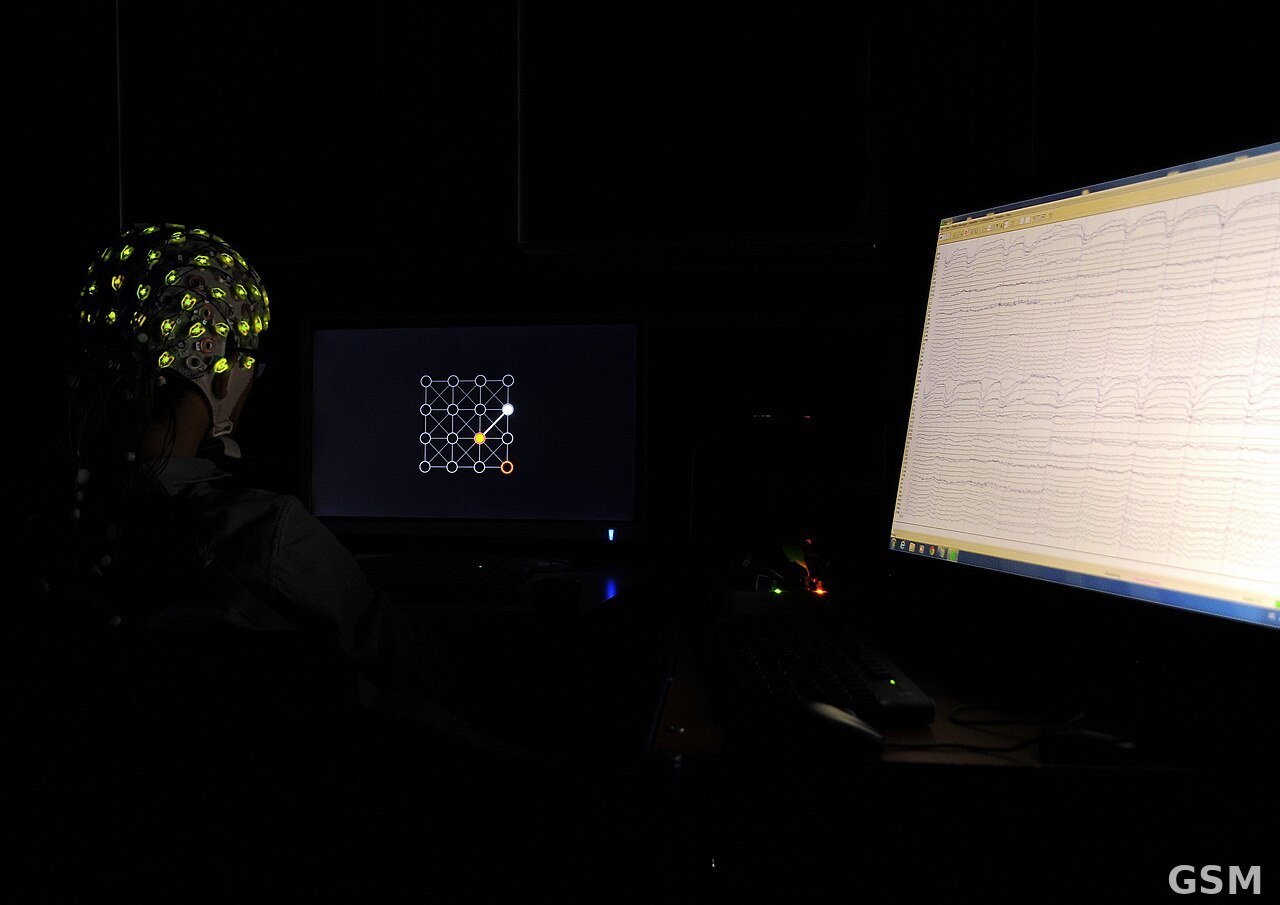
A paper published in Nature Communications on November 7 by teams including Maastricht University reports that intracranial recordings in epilepsy patients can support a motor brain-computer interface that detects its own errors, using error-related activity sampled across a distributed brain network. The work was carried out in a clinical monitoring setting with patients at an epilepsy monitoring unit.
The paper's first author is Paul Weger, with Paul Weger and Christian Herff as corresponding authors; affiliations include Maastricht University's Department of Neurosurgery and Mental Health and Neuroscience Research Institute and Brown University's School of Engineering. The authors write that error recognition is fundamental to adaptive behavior. Their recordings reveal high-frequency population dynamics emerging in the anterior insula and propagating to the prefrontal cortex as the interface fails to follow the user's intention, and they identify spatially organized insular responses to error processing and movement feedback, describing the insula as a heterogeneous hub linking action and outcome.
On the division of coding, the paper reports that frontoinsular recording sites preferentially encode error-related activity, while centroparietal responses are intermixed with compensatory motor signals, making the former a compelling target for real-time error correction. The authors conclude that the findings demonstrate a human intracranial brain-computer interface harnessing insular brain activity, integrating cognitive processes directly into device control. The paper was received on December 6, 2025, accepted on September 29, 2026 and published on November 7, 2026, with funding from the Dutch INTENSE consortium, among others; the authors declare no competing interests.
Source: Nature Communications
Published by GSM · USA (original Chinese edition)
Photo: 图:脑机接口实验。Wikimedia Commons,CC BY 4.0。 / Photo: Brain-computer interface experiment. Wikimedia Commons, CC BY 4.0.
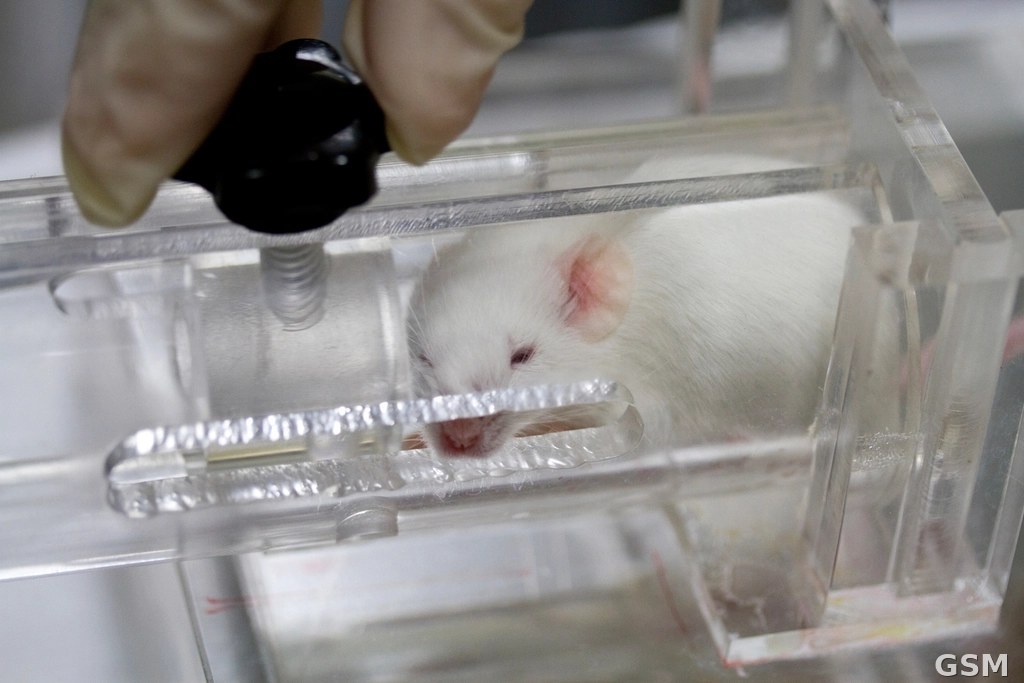 Nature Communications Paper: A Single Dose of Propofol Suppresses Alcohol Drinking in Mice for About Six Days via Lateral Habenula Activation2026-11-08
 Google Cloud Z4M Storage-Optimized Machines Reach General Availability: Up to 168,000 GiB of Local SSD, 400 Gbps Cloud RDMA and 15.6 Million Random-Read IOPS2026-11-08