
Nature Communications Paper of November 7: A Model of 10,883 Production Locations and Seven Scenarios Finds Pipelines, Ports and Coastal Access Decide Synthetic Energy Carrier Trade Costs
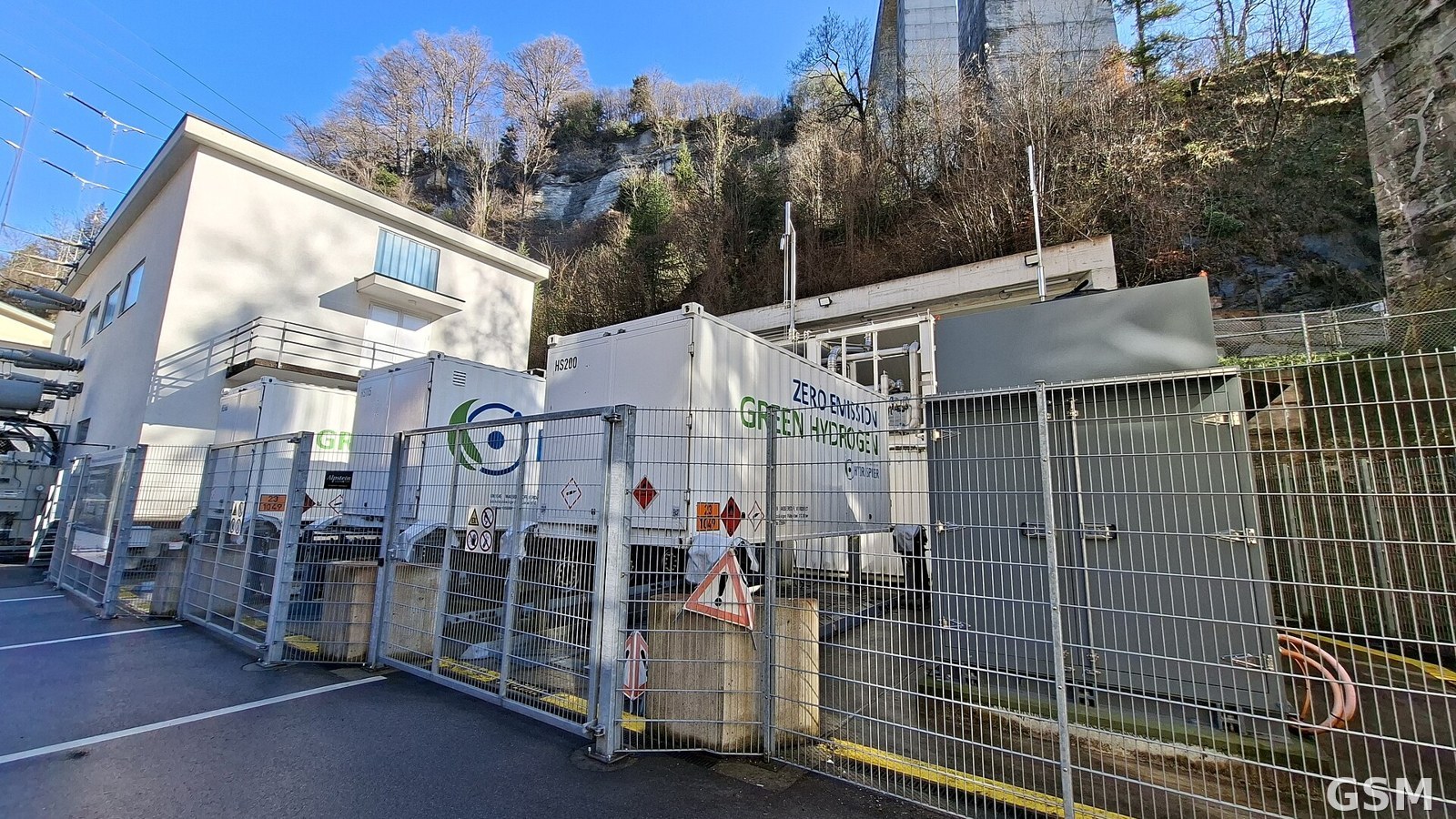
A paper published in Nature Communications on November 7 by Langenmayr, Schuler, Slednev and Fichtner, titled "Mapping Future Energy Journeys Through Modeling the Global Transport of Synthetic Energy Carriers," develops a spatially resolved heuristic combining hydrogen production costs with ports, pipelines and shipping routes, as well as synthesis, cracking and reformation processes, to identify cost-efficient global supply routes and key import corridors for renewable hydrogen and related fuels.
The model covers 10,883 globally distributed production locations and seven scenarios, calculating the most cost-efficient transport routes and costs from export locations to five prospective importers — Germany, Japan, China, India and the United States — for the target year 2030. It examines seven synthetic energy carriers, including hydrogen, ammonia, methanol, synthetic natural gas, Fischer-Tropsch crude and two liquid organic hydrogen carriers, across shipping, trucking and existing and newly built pipelines.
The authors find that infrastructure is as important as low hydrogen production costs: export regions connected through retrofit-ready pipelines remain economically competitive despite only moderate renewable energy potentials, because existing pipeline infrastructure avoids conversion costs, which keeps Europe, North Africa and Central Asia competitive. For remote exporters, competitiveness depends on port availability and coastal access. On carrier choice, gaseous hydrogen dominates short pipeline routes and short-range trucking under 500 km; liquid hydrogen covers up to about 2,250 km of road transport with subsequent shipping; ammonia is preferred for maritime trade on low synthesis and conversion costs; methanol and synthetic methane lead on long multimodal chains; and liquid organic hydrogen carriers require low-cost heat availability to compete. The paper is peer-reviewed and formally published; its findings are model scenario results, not built trade arrangements.
Source: Nature Communications
Published by GSM · USA (original Chinese edition)
Photo: 图:绿色氢能生产设施。Asurnipal 摄,CC BY-SA 4.0,经 Wikimedia Commons。 / Photo: A green hydrogen production plant. Photo by Asurnipal, CC BY-SA 4.0, via Wikimedia Commons.
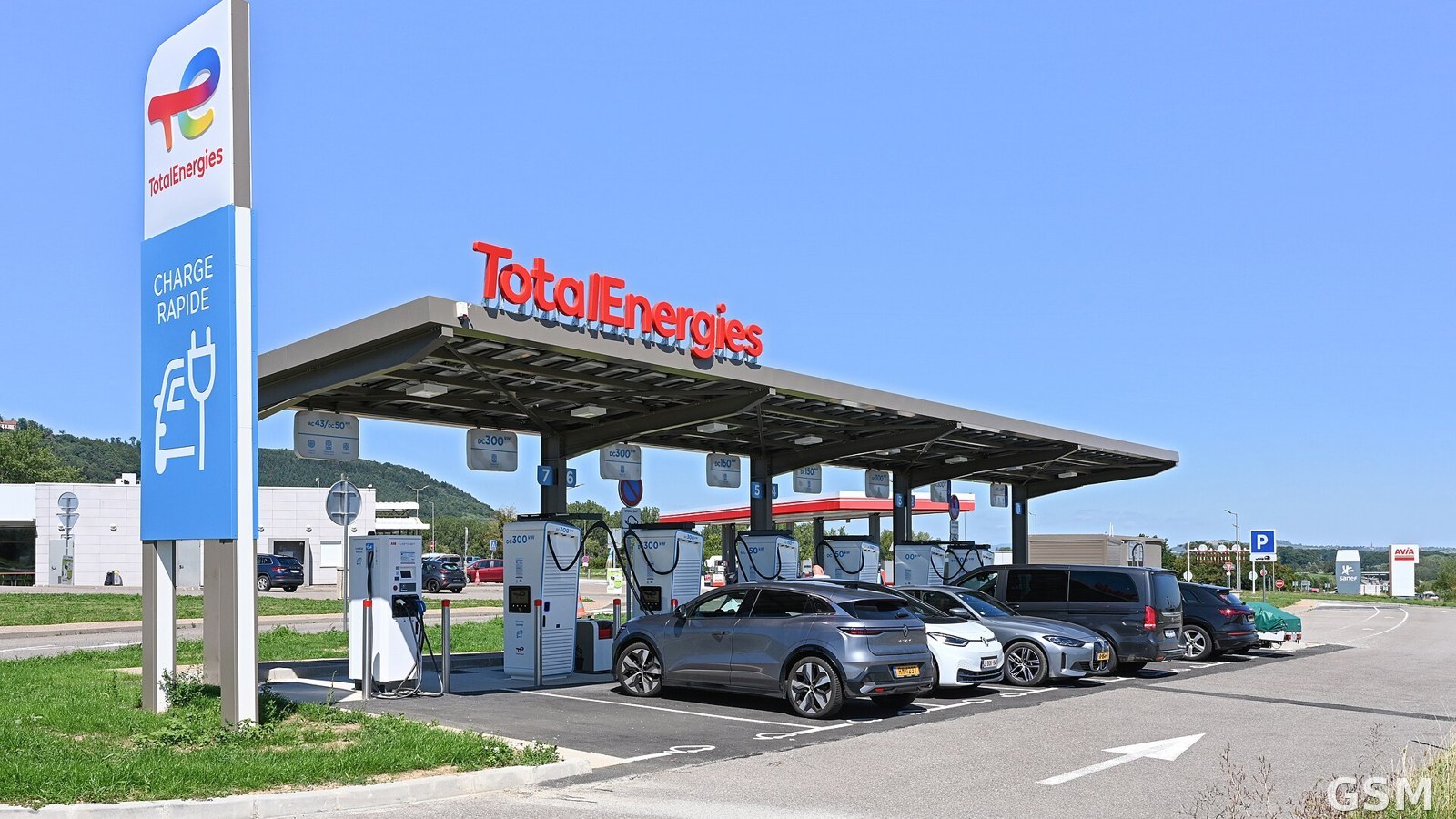 Scientific Reports Paper of November 6: A Survey of 996 U.S. Adults Finds Self-Selection Bias Impedes Electric Vehicle Adoption, From Purdue and Rice Teams2026-11-08
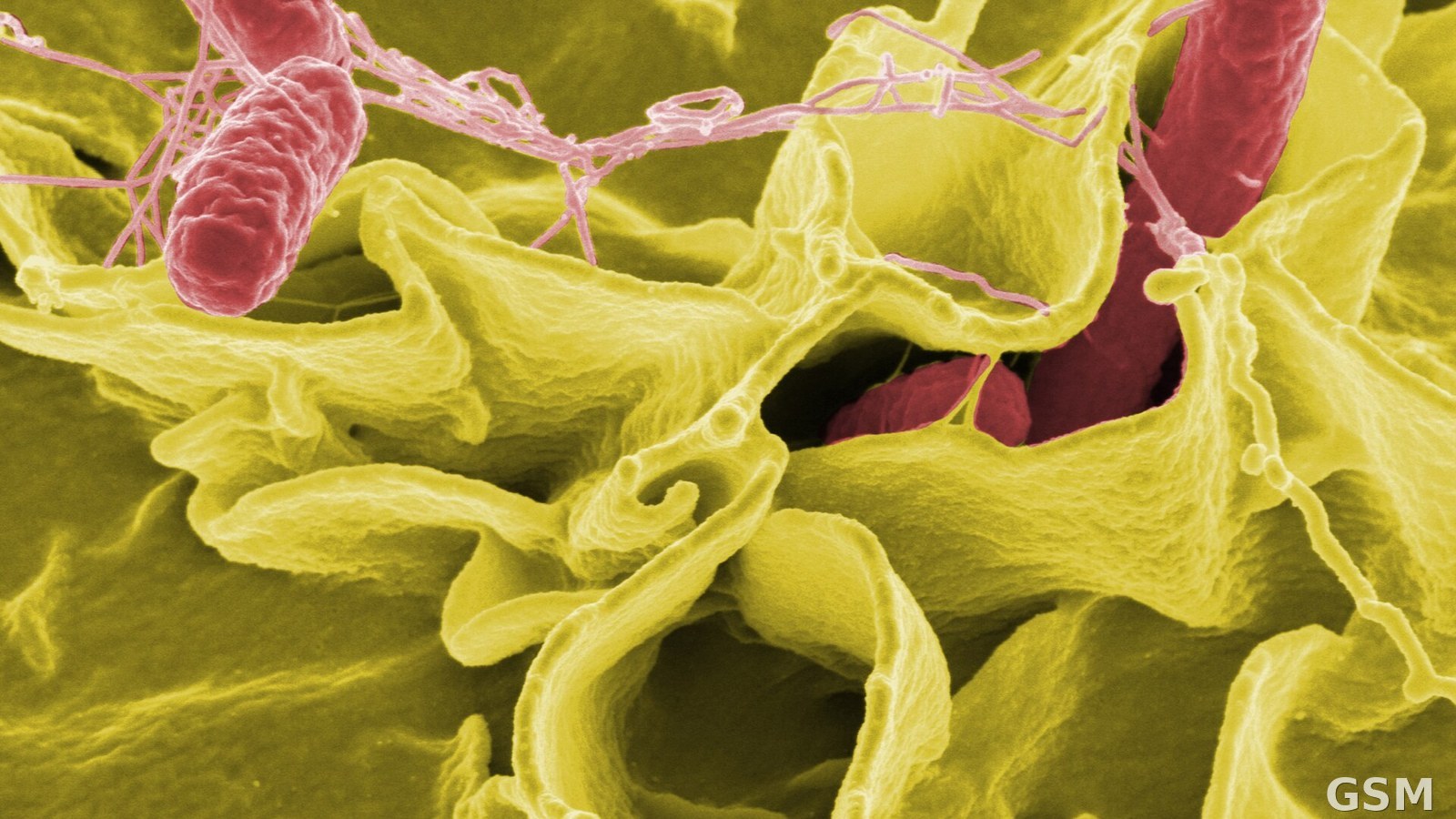 Nature Communications Paper of November 6: Two Types of Salmonella Serovars Use Opposing Pre-Invasion Strategies to Sense and Invade Human Intestinal Epithelium, From McKenna, Geier and Monack2026-11-08