
University of Houston Chemist in Houston, Texas Wins a Five-Year, $2.19 Million NIH Grant: Studying How Dietary Zinc and Iron Alter the Gut Microbiome, Under Aw
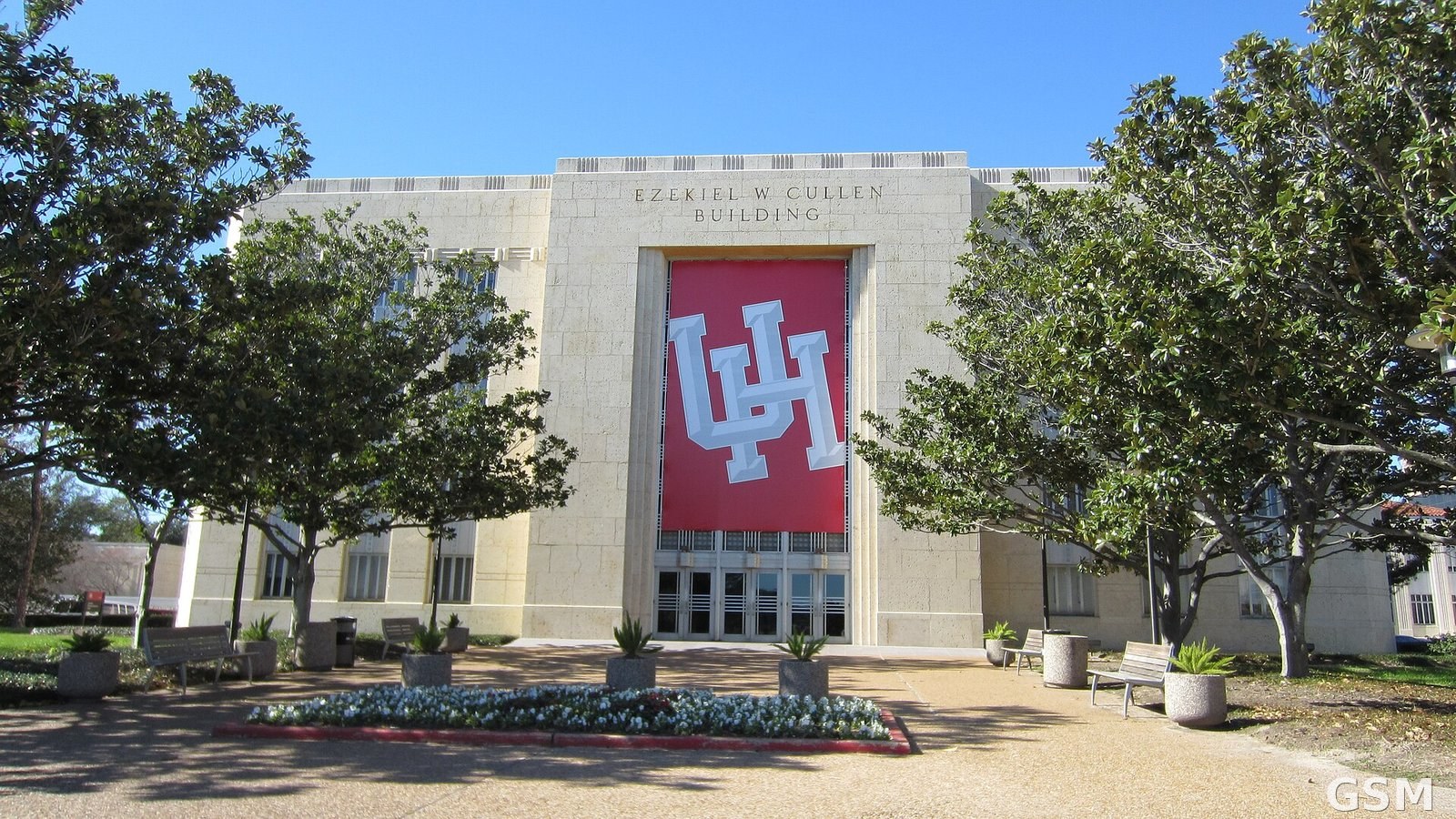
HOUSTON, Texas — The University of Houston reported on November 2 that Melissa Zastrow, an associate professor in its College of Natural Sciences and Mathematics, has been awarded a new five-year, $2.19 million grant from the National Institutes of Health (NIH) to investigate how essential trace metals such as zinc and iron alter the human gut microbiome and whether these changes directly trigger gastrointestinal disease. The research is supported by the National Institute of General Medical Sciences of the NIH under award number R35GM161898.
According to the university, dietary metals such as zinc and iron are critical for human survival, but gut microbes also rely on them; when metal levels fluctuate — whether from daily multivitamins or nutritional deficiencies — the balance between beneficial bacteria and illness-causing pathogens can destabilize, yet scientists still cannot predict how shifts in diet alter microbial chemistry. Zastrow, the grant's principal investigator, said metals impact the gut microbiota and correlate with various pathologies, but the impacts are hard to predict and control because not all of their roles, or how they are regulated between species and the host, are understood, and that her research will yield insight into this knowledge gap.
To track these interactions in the oxygen-poor gut, the team re-engineered natural light-sensing proteins that do not rely on oxygen, turning bacteria into living biosensor factories; the work focuses on Lactobacillus, a family of beneficial bacteria found in yogurt and probiotic supplements, and uses 3D-printed flow-cell cartridges developed with Texas Medical Center collaborators to simulate the human small intestine without animal testing. An initial 2020 NIH award proved the sensors could detect zinc and copper; the new award expands the sensor panel across multiple wavelengths, from green to near-infrared, and adds manganese and iron detection.
来源链接:休斯顿大学发布(uh.edu): https://www.uh.edu/news-events/stories/2026/november/11022026-nih-grant-gut-bacteria.php
—-
Source: University of Houston
Published by GSM · USA (original Chinese edition)
Photo: 休斯顿大学校园(资料图)。(Wikimedia Commons)|The University of Houston campus (file photo). (Wikimedia Commons)
 San Bernardino County Behavioral Health Plan Update Adds 98 Supportive Housing Units and About $22.6 Million More for Housing Interventions2026-11-09
 University of Florida in Gainesville, Florida Wins $1.8 Million NIH Award for a Rice-Sized, Battery-Free Neural Stimulator Powered by the Body: Injectable Devic2026-11-09