Cats and Dogs Belong Inside in Cold Weather: Pets Get Frostbite and Hypothermia Too, and a Little Antifreeze Can Kill
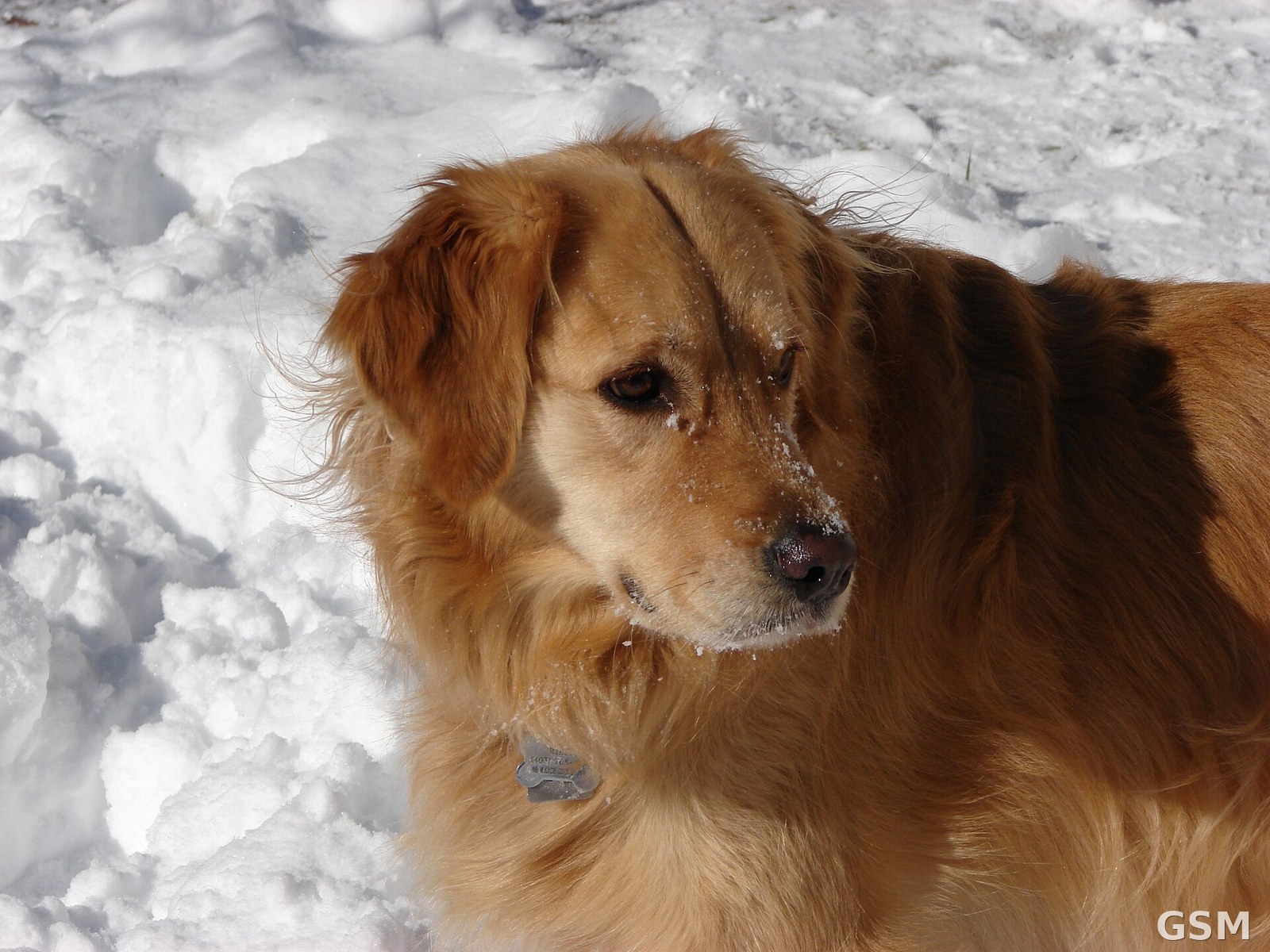
The American Veterinary Medical Association (AVMA) says cats and dogs should be kept inside during cold weather, in its cold weather pet safety guidance. The common belief that dogs and cats resist cold better than people because of their fur is untrue: like people, they are susceptible to frostbite and hypothermia, and no pet should be left outside for long periods in below-freezing weather.
Cold tolerance varies from pet to pet based on coat, body fat, activity level and health. Walks should be shortened in very cold weather, cold can worsen conditions such as arthritis, and pets with diabetes, heart disease, kidney disease or hormonal imbalances may have a harder time regulating body temperature. A veterinary exam before the harshest weather arrives is the AVMA's first step for the season.
Wipe down after walks. A dog's feet, legs and belly can pick up deicers, antifreeze and other toxic chemicals outdoors; wiping or washing them back inside reduces the risk of poisoning when the pet licks its fur. Short-coated or cold-sensitive dogs can wear a sweater or coat, with several on hand so a wet one is never reused.
Poisoning prevention is a hard winter rule: clean up antifreeze spills quickly, because even small amounts can be deadly, and keep medications, household chemicals and toxic foods such as chocolate, xylitol and onions out of reach. Use space heaters with caution, keep dogs away from frozen ponds and lakes, and stock at least five days of food, water and medication for storms and power outages. (Source: American Veterinary Medical Association)
Source: American Veterinary Medical Association
Published by GSM · USA (original Chinese edition)
Photo: 图:一只金毛犬在雪地里。Wikimedia Commons 图片。 / Photo: A golden retriever in the snow. Image via Wikimedia Commons.