
Latvian Telecom Database Left Open: 125 Million SMS Exposed, Including Bank Codes and Flight Details
Researchers at the cybersecurity outlet Cybernews disclosed on November 11 that an unprotected database belonging to Latvian telecom operator CSC Telecom had been openly accessible on the internet, holding more than 125 million text messages affecting banks, airlines, insurers and medical providers across Latvia, Lithuania and Estonia, as well as Latvia's 112 emergency hotline.
The research team found the ClickHouse database on September 28. It contained messages from October 2022 through September 2026 and was updating in real time; in September 2026 alone it had handled more than 3 million messages. The exposed content included one-time passcodes, password-reset links, bank notifications (Swedbank messages included IBAN account details), messages from SEB, airBaltic passenger surnames, phone numbers and flight details, insurance notices and medical test results. External access to the database was closed on October 27.
The researchers said there was no evidence that criminals had downloaded the data, but they could not rule out that others had found the database before them. The incident is a confirmed exposure, not a confirmed theft; the number of affected people was not disclosed, and a single phone number can appear in hundreds of messages.
CSC Telecom said a security vulnerability had been identified in one of its information systems, that the problem had been fixed and reported to CERT.LV, Latvia's national cybersecurity center, and that a preliminary investigation found no signs of data being downloaded, while a full security audit with CERT.LV and enhanced monitoring continue. CERT.LV requested an in-depth investigation and referred the material to law enforcement. Swedbank said it had suspended use of the provider and opened an investigation. SEB said it used the service only to a limited extent for pension-fund marketing messages and that the provider had not informed it of the incident. airBaltic said it was assessing the impact with the provider and advised customers to be wary of messages demanding urgent action, inviting them to open links or asking for personal data.
(Source: Cybernews)
Source: Cybernews
Published by GSM · USA (original Chinese edition)
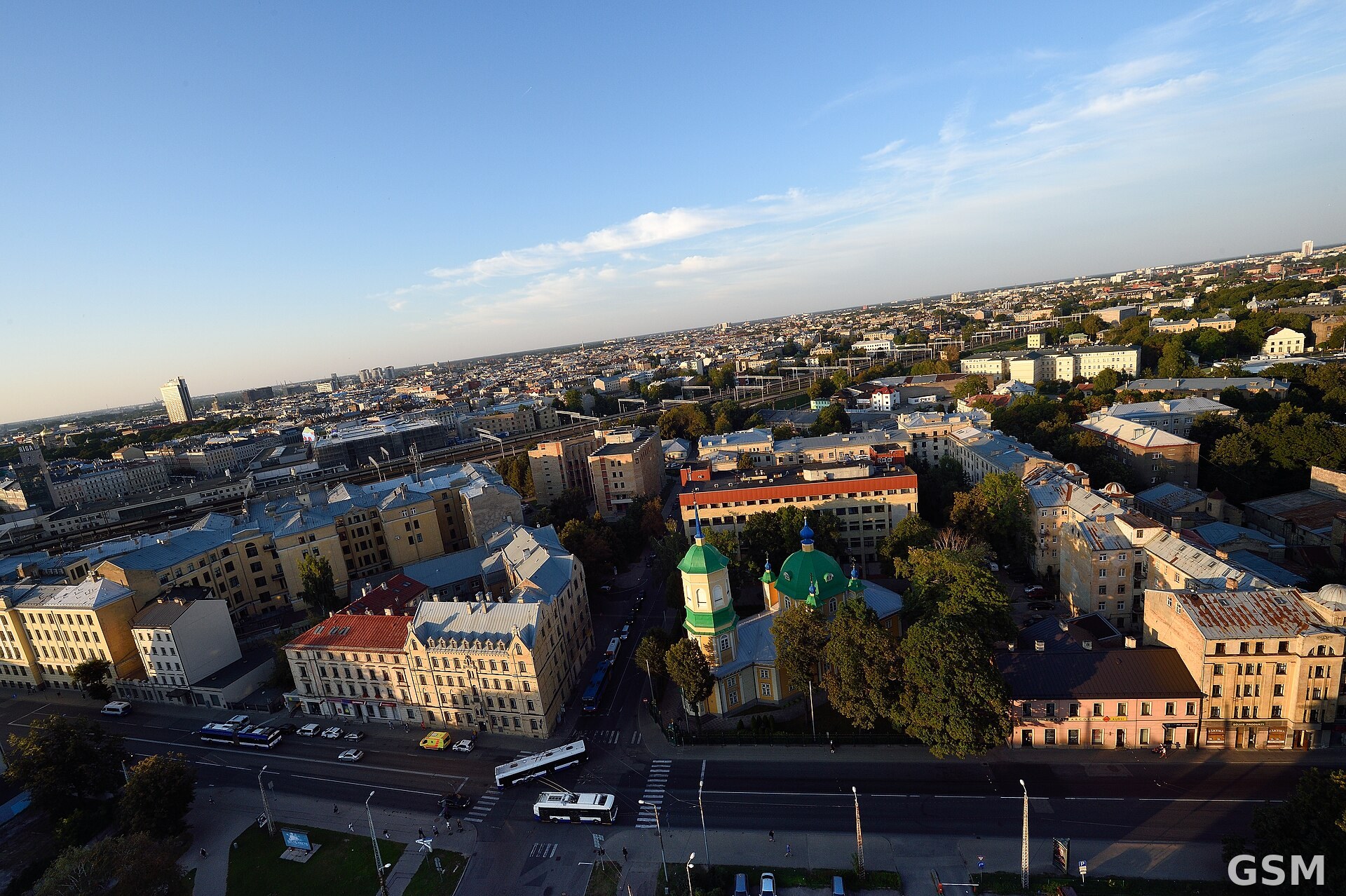
Photo: 拉脱维亚首都里加市景资料图。图:Tim Adams/Wikimedia Commons,CC BY 3.0。