
Murdoch University Tracks 18 Carnaby Cockatoos: Birds in Fragmented Landscapes Travel About Three Times Farther Each Day, With Small Bushland Patches Acting as Stepping Stones
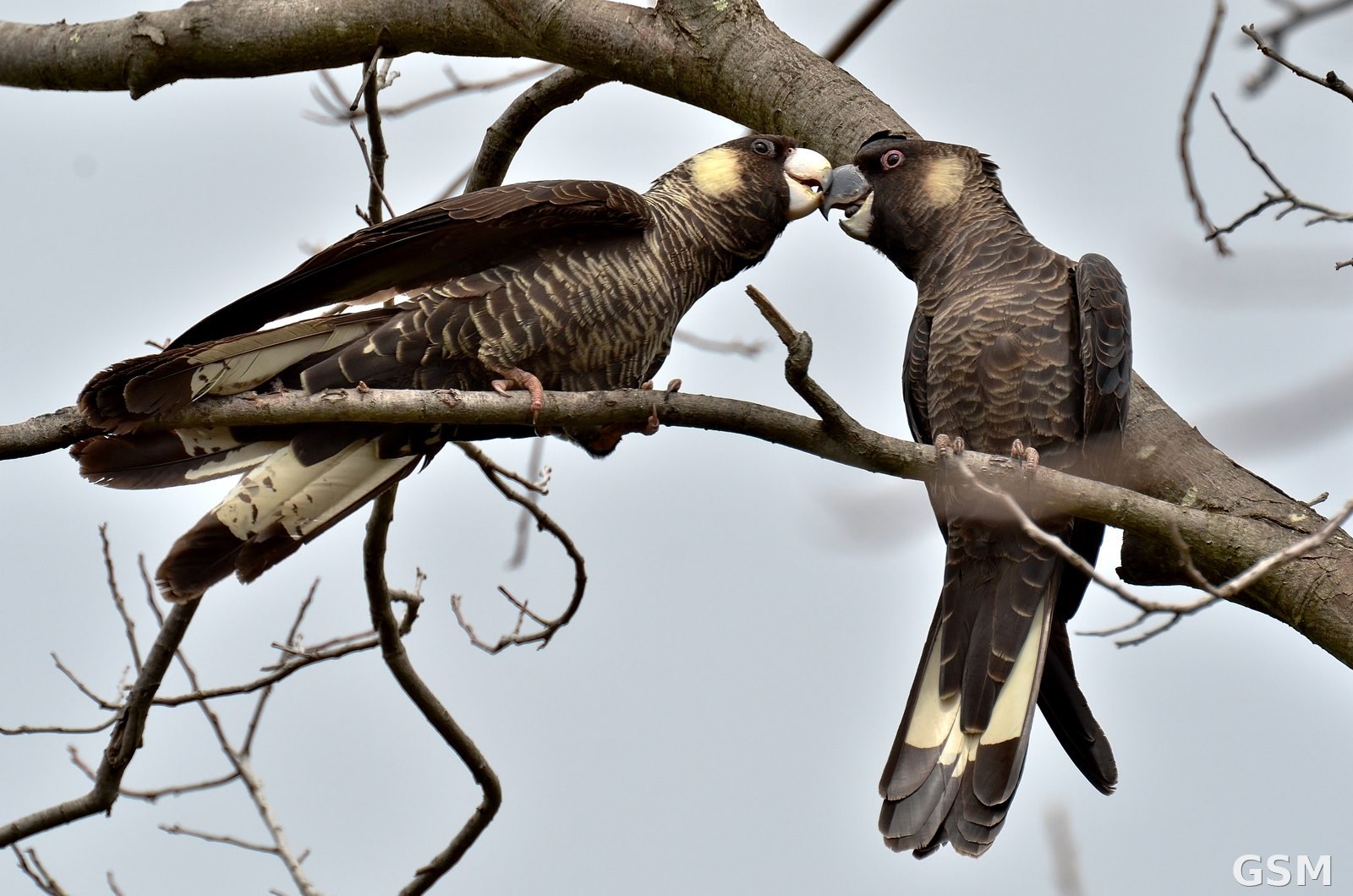
New research from Murdoch University in Australia, reported on November 11, has revealed that endangered Carnaby cockatoos depend on small, fragmented patches of native vegetation to survive in heavily cleared landscapes. The study was published in the journal Landscape Ecology.
The research team, led by Dr. Jill Shephard and Dr. Zoe Kissane from the Harry Butler Institute, wanted to understand how habitat loss and fragmentation affected the movements of Carnaby cockatoos during their breeding season. The birds usually breed between July and December and often return to the same breeding areas each year.
The team fitted GPS satellite tags to 18 wild Carnaby cockatoos at five inland breeding sites across the Wheatbelt and tracked their movements throughout the breeding season.
The results showed that birds in fragmented landscapes generally had to travel three times farther each day to find food than birds living in less fragmented landscapes. At Coomallo, where native vegetation was heavily fragmented, birds traveled more than 37 kilometers a day on average to find food, Kissane said. At Tenterden, where habitat remained more connected, they traveled just over 10 kilometers a day.
The most interesting finding was that small, degraded patches of native vegetation still appeared to be extremely important, the researchers said. Kissane said an isolated fragment of native vegetation can serve as a vital stepping stone, allowing the cockatoos to move safely between larger habitat areas.
Kissane said conservation efforts have traditionally focused on protecting large, high-quality habitat, but the study shows protecting small patches is important too. Under federal Black Cockatoo Referral Guidelines, clearing less than 1 hectare of foraging habitat, or less than 10 hectares of low-quality habitat, is unlikely to require a referral, she said, while the data show the birds regularly use small patches considerably below those size thresholds, including habitat classified as low quality.
Published by GSM · USA (original Chinese edition)
Photo: 图:一只卡纳比黑凤头鹦鹉(白尾黑凤头鹦鹉)在西澳大利亚珀斯栖于枝头。Laurie Boyle from Perth Western Australia, Austr 摄,CC BY-SA 2.0,经 Wikimedia Commons / Photo: Carnaby's Black Cockatoo, Perth, Western Australia (9797604974). By Laurie Boyle from Perth Western Australia, Austr, CC BY-SA 2.0, via Wikimedia Commons
 Penn State Photochemical Method Converts Sulfonamides to Anilines Without Added Catalysts: GSK Calculations Suggest More Than 90 Percent of Commercial Sulfonamides Could Be Modified2026-11-11
 University of the Witwatersrand Demonstrates Transverse Faraday Effect in Multimode Fiber: Speckle Similarity Falls to About 84 Percent at 0.24 Tesla, Published in Optics Letters2026-11-11