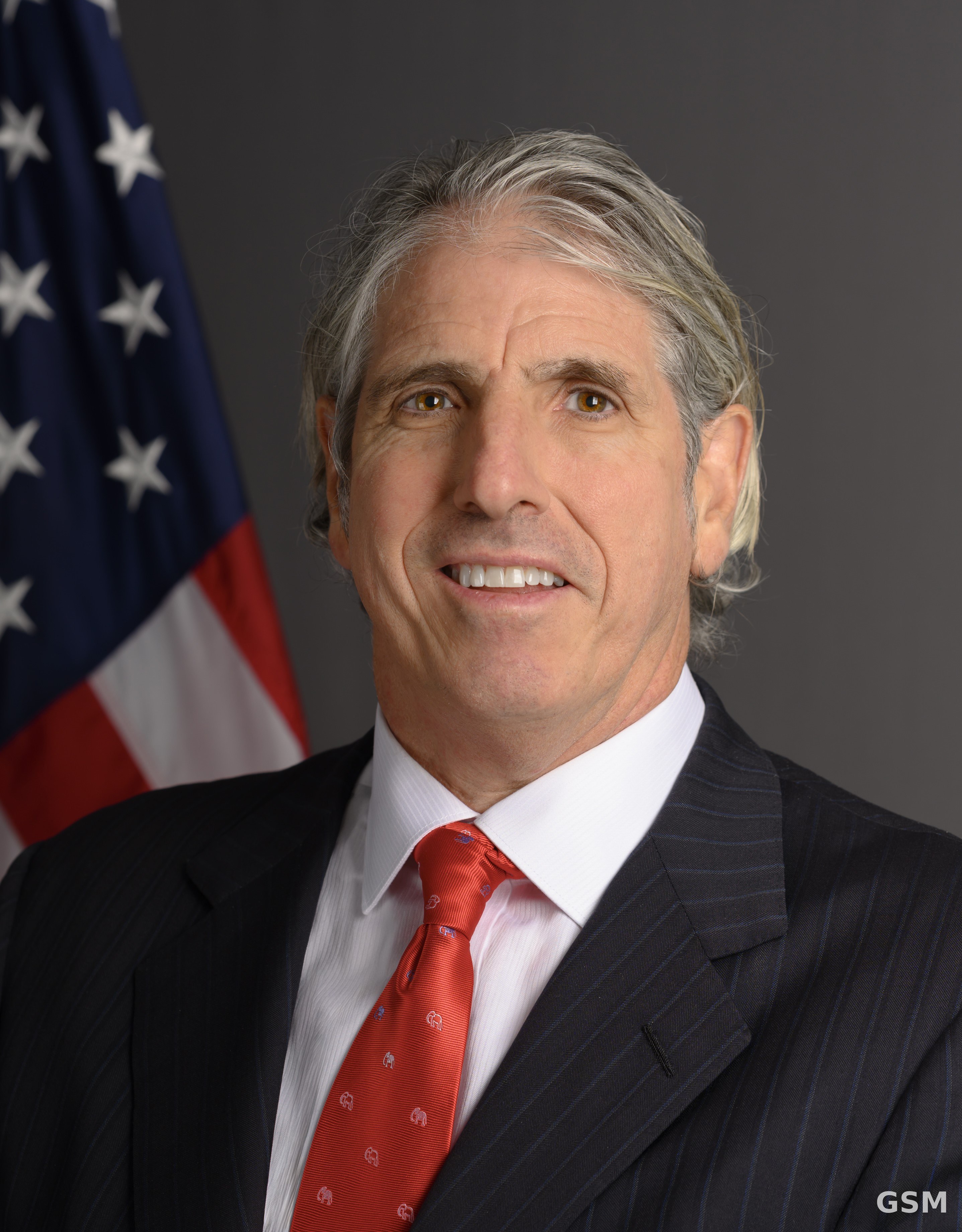
U.S. Attorney Aaron Reitz Tells Sen. Blumenthal to Preserve Ballroom Donor Probe Records, Warning of Legal Consequences
In Washington, Aaron Reitz, the U.S. Attorney for the Southern District of Texas, wrote to Sen. Richard Blumenthal, a Connecticut Democrat, on November 11 demanding that he preserve all documents, communications and electronic records related to his inquiry into donors to the White House ballroom, confirm compliance by November 18, and warning of significant legal consequences if he does not.
In the letter, Reitz said Blumenthal's series of investigative letters to ballroom donors showed an intent to deprive citizens of their core constitutional rights, citing the federal conspiracy-against-rights and deprivation-of-rights-under-color-of-law statutes (18 U.S.C. 241 and 242). He wrote that Blumenthal had threatened citizens for associating themselves with the president and other public officials, calling it extraordinary for an elected official to intimidate citizens for engaging in philanthropic practices, and said Americans are entitled to freely associate without elected officials terrorizing them with aggressive, harassing government action. Reitz also posted the letter on social media, saying the inquiry had turned Congress into a weapon against Americans.
Acting Deputy Attorney General Trent McCotter publicly backed Reitz, writing that the First Amendment expressly prohibits Congress from infringing the speech and association rights of Americans and that the Justice Department will defend against threats to those rights. A Justice Department spokesperson said the department routinely requests that records be preserved when public officials take such extreme actions, and alleged that Blumenthal's letters were an attempt to suppress donors' First Amendment activities, including their philanthropic practices.
Blumenthal is the top Democrat on the Senate Permanent Subcommittee on Investigations and is set to become its chairman when the new Congress convenes in January. He has led an inquiry into waste, fraud and abuse associated with the White House ballroom and other projects in the nation's capital, and on October 20 and November 5 sent letters to dozens of known donors, including Amazon, Apple, BlackRock, Google, Lockheed Martin, Meta, Microsoft, Nvidia and Palantir, asking them to voluntarily hand over records related to their gifts and saying that failure to produce them by January 4, 2027 would leave the subcommittee to consider subpoenas once Democrats hold the gavel.
The ballroom is being built with private donations put at roughly $330 million to $400 million. The planned 90,000-square-foot hall rises on the site of the demolished East Wing and is due to be completed by September 2028. President Trump has said he would release the donors' names but has made only a partial list public. In August, a divided Supreme Court allowed construction to continue, rejecting a challenge from the National Trust for Historic Preservation.
Blumenthal responded on the evening of November 11 that he will not be intimidated and vowed to vigorously pursue investigations into the administration's misuse of taxpayer dollars and any corporate entity that has enabled it. He sent Reitz a preservation request of his own, asking him to retain records and correspondence related to the decision to prepare and post the letter, including communications with the White House and senior Justice Department officials, and described his inquiry as appropriate and part of his constitutional responsibilities. A demand to preserve records is not itself a prosecution, and Blumenthal has not been charged with any offense.
Related: White House letter warns Democrats that investigations of the Trump administration could be a crime
Source: U.S. Department of Justice
Published by GSM · USA (original Chinese edition)
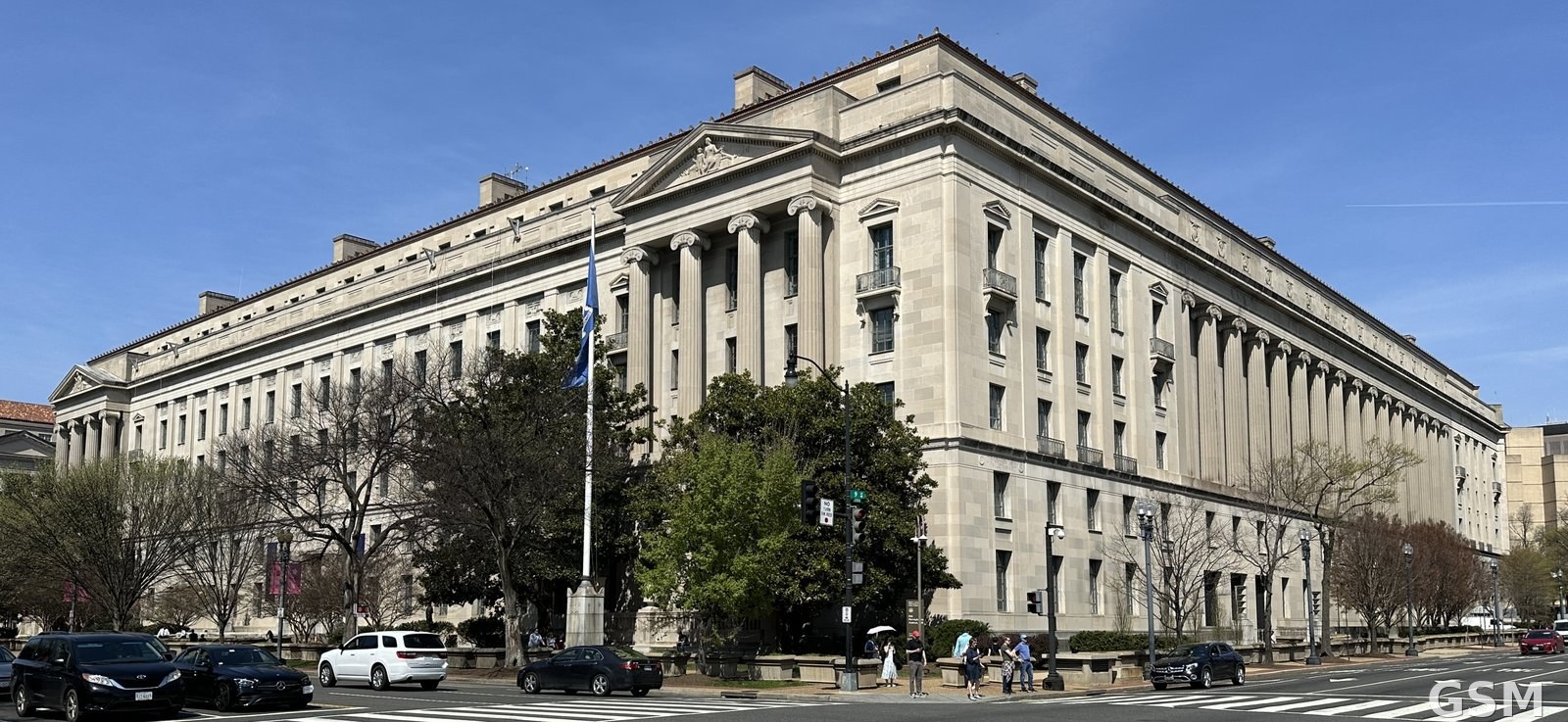
Photo: 图:美国司法部本部大楼。编辑部联邦固定图库。 / Image: U.S. Department of Justice headquarters. GSM federal asset library.