
Panmnesia Signs a CXL Memorandum With Intel Korea: Its Fusion Switch Extends Memory Expansion to Rack Scale
Panmnesia, a developer of link solutions for AI infrastructure, announced on November 12, 2026, in a BusinessWire release that it has signed a memorandum of understanding with Intel Korea to collaborate on CXL, or Compute Express Link, technology. The memorandum was signed on November 12 at Intel AI Summit Seoul 2026, held at COEX in Seoul. Panmnesia is led by chief executive Myoungsoo Jung. The company said that as AI models and datasets grow, the memory they require is exceeding what a single server can hold, while memory stays tied to individual servers, so one server may have memory to spare while another runs short with no easy way to share it. The collaboration will proceed in phases, from validating interoperability between Intel Xeon platforms and Panmnesia's CXL Fusion Switch and optimizing performance for AI workloads, to exploring rack-scale AI infrastructure collaboration, including reference architectures and proof-of-concept demonstrations. The company said its PCIe 6.4 and CXL 3.2 Fusion Switch extends the range of memory that processors can expand and share over CXL to the rack level, with an in-house low-latency CXL 3.2 controller built into the chip, and that the switch already exists in silicon. Jung said the company is working with ecosystem partners to build appliances that will bring large-scale memory fabrics based on the switch into AI data centers sooner, and that the memorandum with Intel Korea is part of that effort.
(Source: Panmnesia)
Source: Panmnesia
Published by GSM · USA (original Chinese edition)
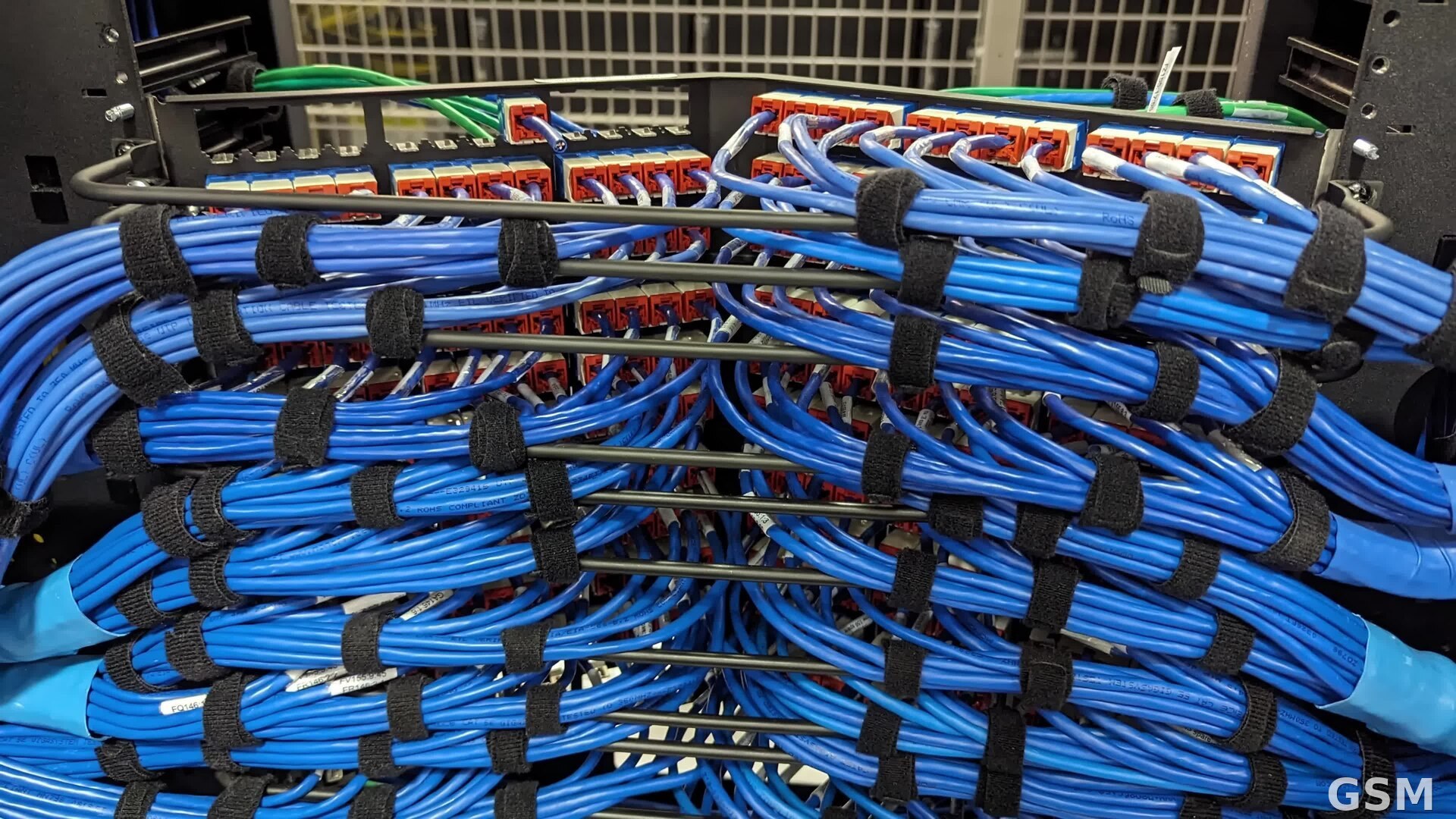
Photo: 图:数据中心机房内成排的服务器机柜与通道。Lawrence Systems,CC BY 3.0,经 Wikimedia Commons。 / Photo: Lawrence Systems, CC BY 3.0, via Wikimedia Commons.
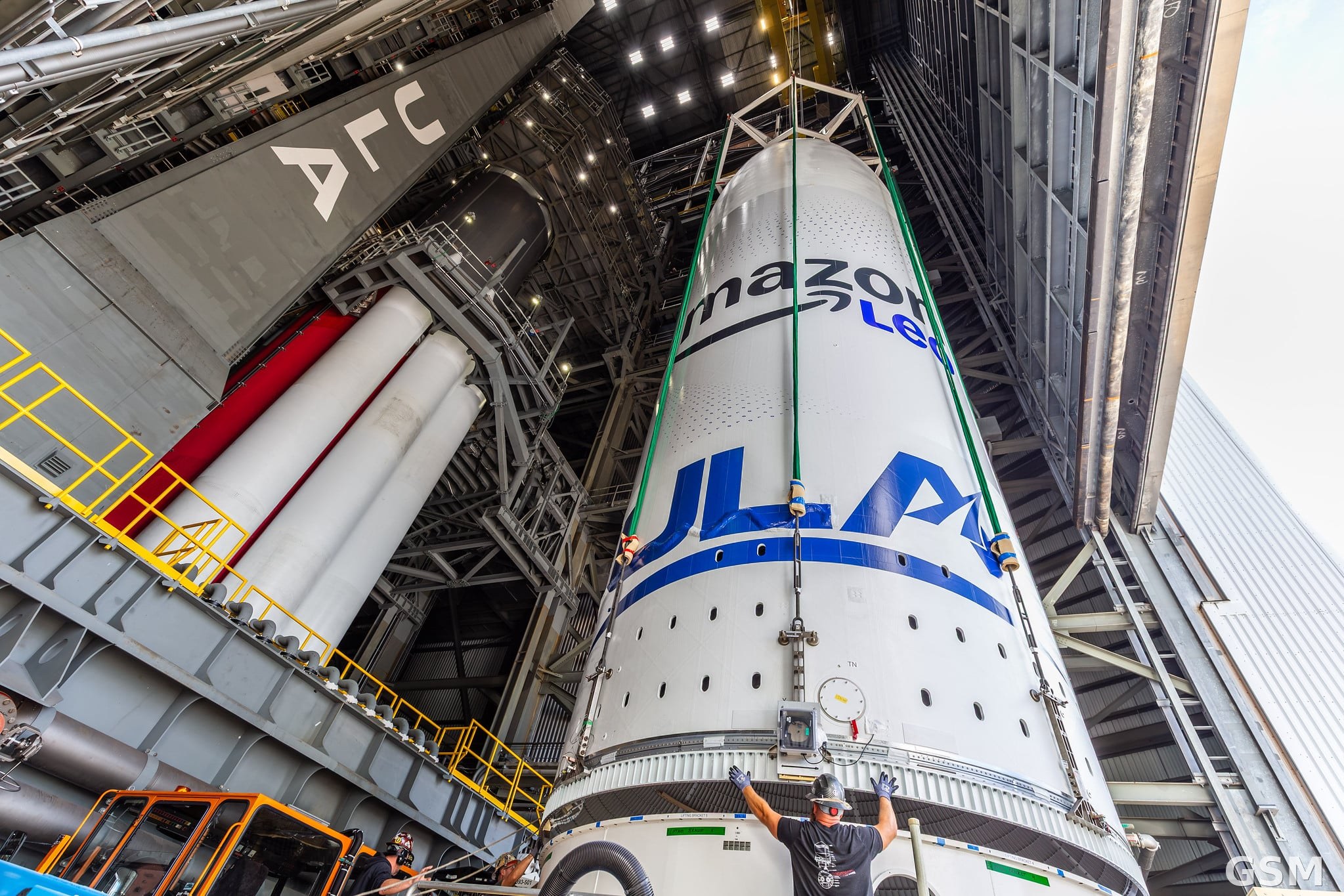 [Video] ULA Vulcan Return to Flight Slips One Day: Nitrogen Plant Outage Pushes Launch of 40 Amazon Leo Satellites to Saturday Midday2026-11-14
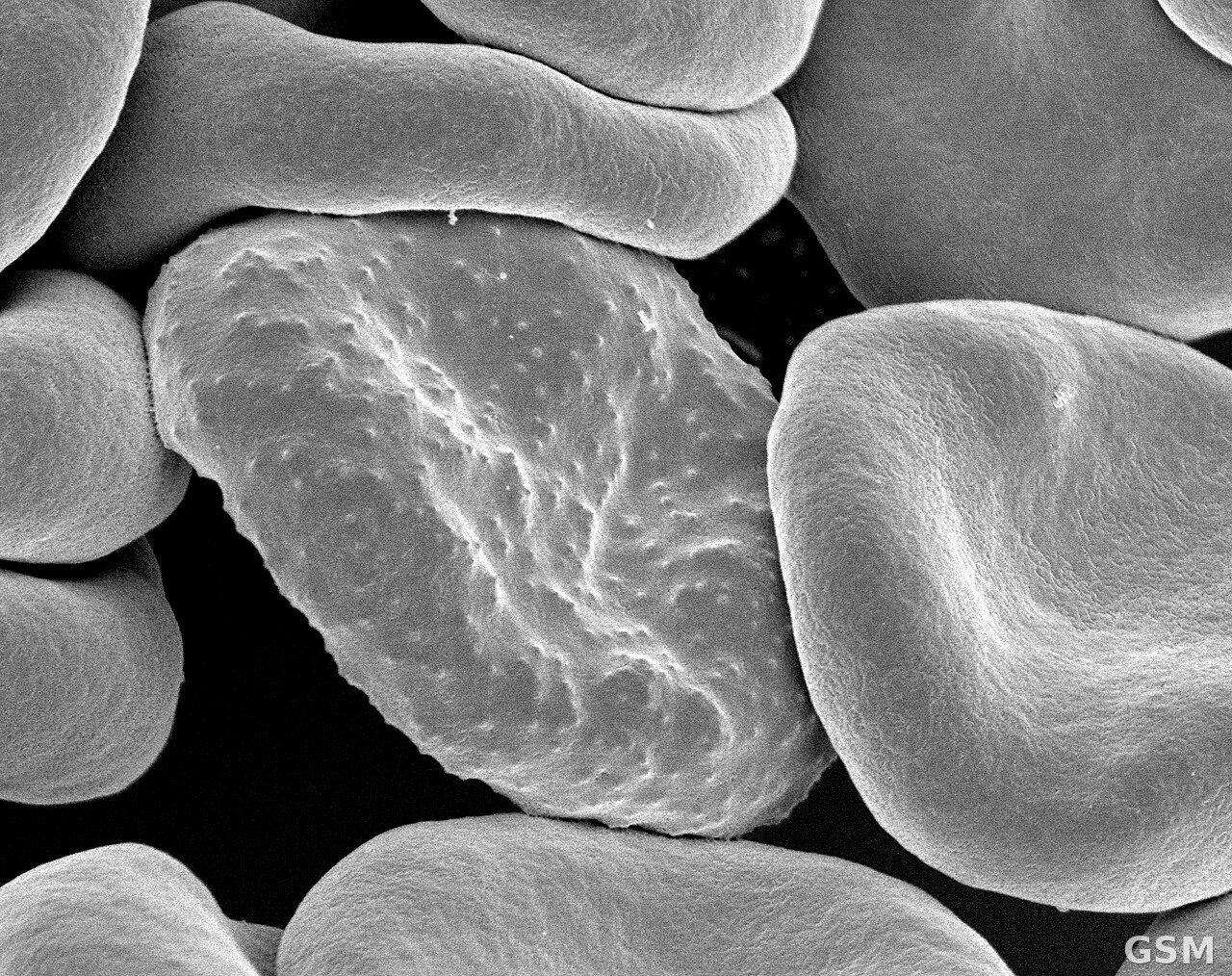 Murine Splenic CD45-Positive Erythroid Cells Carry Antigen-Presenting Cell Transcriptomic Signature, With MHC Class II Module Comparable to Monocytes, Published in Scientific Reports on November 132026-11-14