
Scientific Reports Compares Two Hole Transport Layers: MeO-2PACz Devices Substantially Outperform PTAA With Less Non-Radiative Recombination, Published November 12
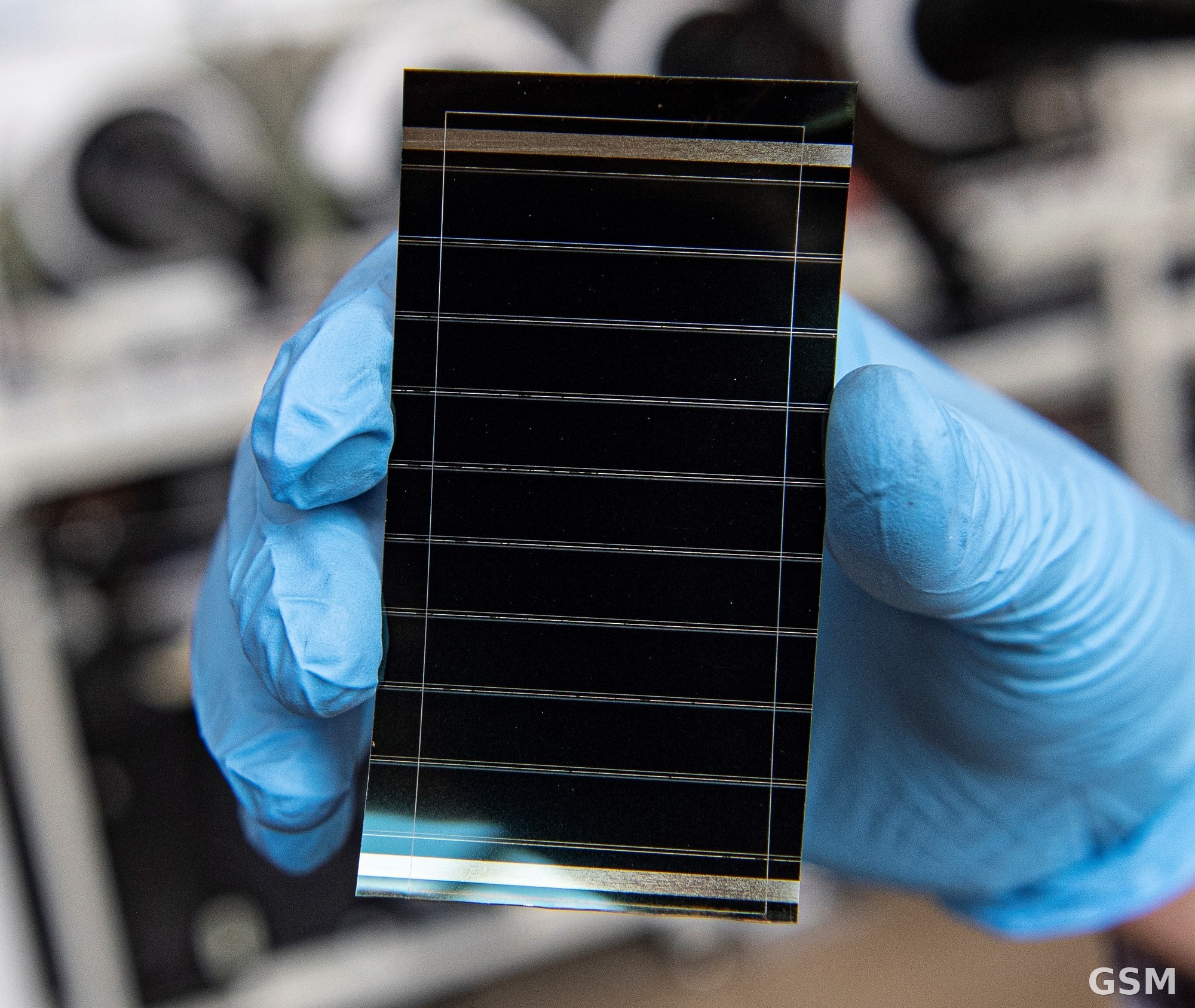
A study published in Scientific Reports on November 12, 2026, compared two widely used hole transport layers in inverted perovskite solar cells, seeking to clarify why self-assembled monolayers often outperform conventional conjugated polymers. The researchers compared the polymer PTAA with the self-assembled monolayer MeO-2PACz in devices with an FA0.9Cs0.1PbI3 absorber. The paper carries digital object identifier 10.1038/s41598-026-78516-z, was received on July 8, 2026, accepted on October 27, 2026, and published on November 12, 2026. The journal abstract reported that devices based on MeO-2PACz achieved a substantially higher power conversion efficiency than their PTAA counterparts, mainly through a higher fill factor and open-circuit voltage. Steady-state and time-resolved photoluminescence indicated more efficient hole extraction and reduced non-radiative recombination at the MeO-2PACz and perovskite interface. The abstract further reported that at the MeO-2PACz interface, the recombination- and ion-related relaxation features were weaker and the transition to the recombination-dominated regime occurred at higher bias, consistent with interfacial defect passivation and reduced ionic polarization. The authors concluded that the perovskite and self-assembled monolayer interface is better optimized for defect passivation than the perovskite and PTAA interface. The journal abstract did not report exact efficiency figures, and this item does not supply figures from other sources.
(Source: Scientific)
Source: Scientific
Published by GSM · USA (original Chinese edition)
Photo: 图:一块钙钛矿太阳能电池样品。Dennis Schroeder / National Renewable Energy Laboratory,公共领域,经 Wikimedia Commons。 / Photo: Dennis Schroeder / National Renewable Energy Laboratory, public domain, via Wikimedia Commons.
 [Video] ULA Vulcan Return to Flight Slips One Day: Nitrogen Plant Outage Pushes Launch of 40 Amazon Leo Satellites to Saturday Midday2026-11-14
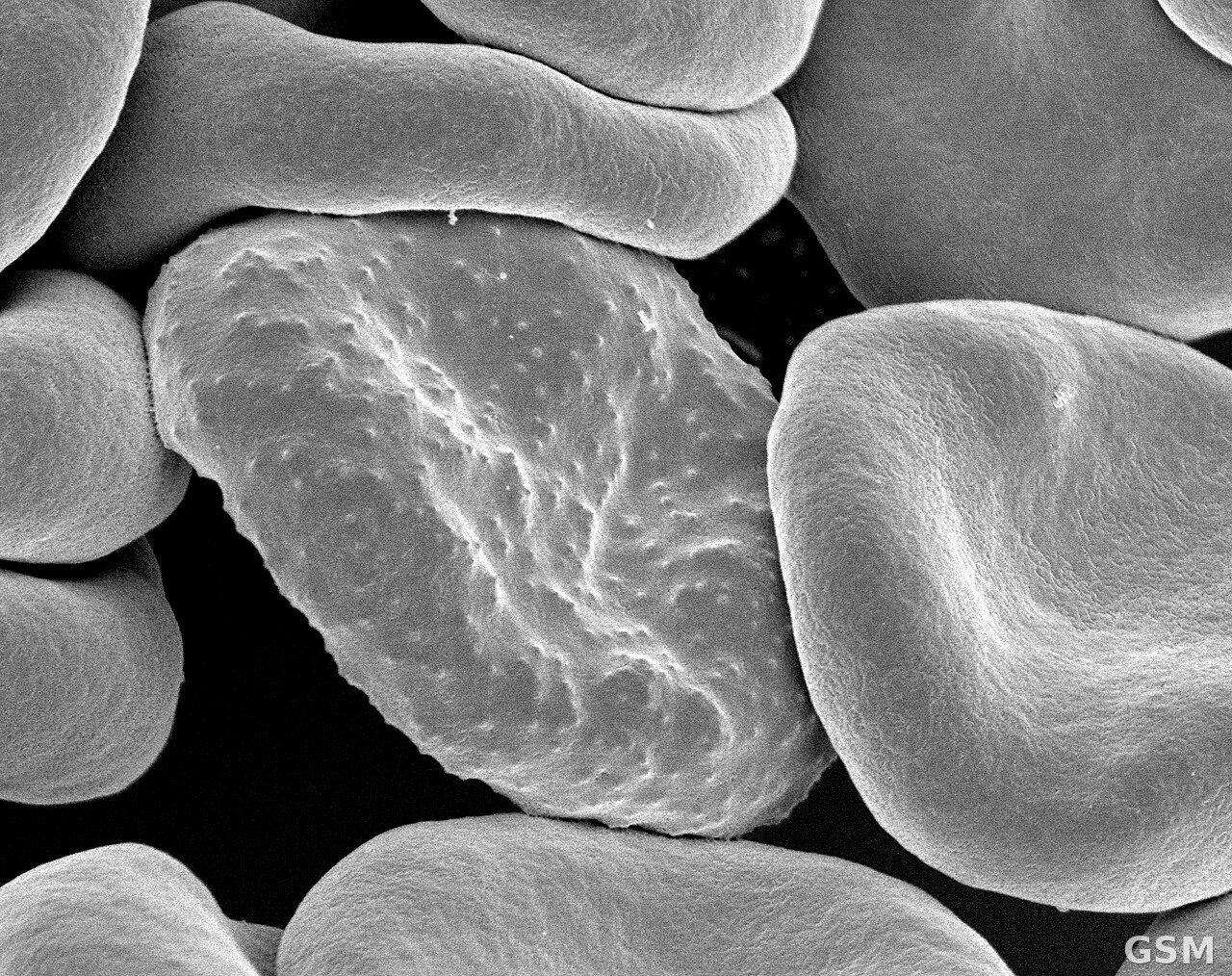 Murine Splenic CD45-Positive Erythroid Cells Carry Antigen-Presenting Cell Transcriptomic Signature, With MHC Class II Module Comparable to Monocytes, Published in Scientific Reports on November 132026-11-14