G7 Foreign Ministers Issue Paris Joint Statement Backing Ukraine and Opposing Unilateral Change to Taiwan Strait Status Quo
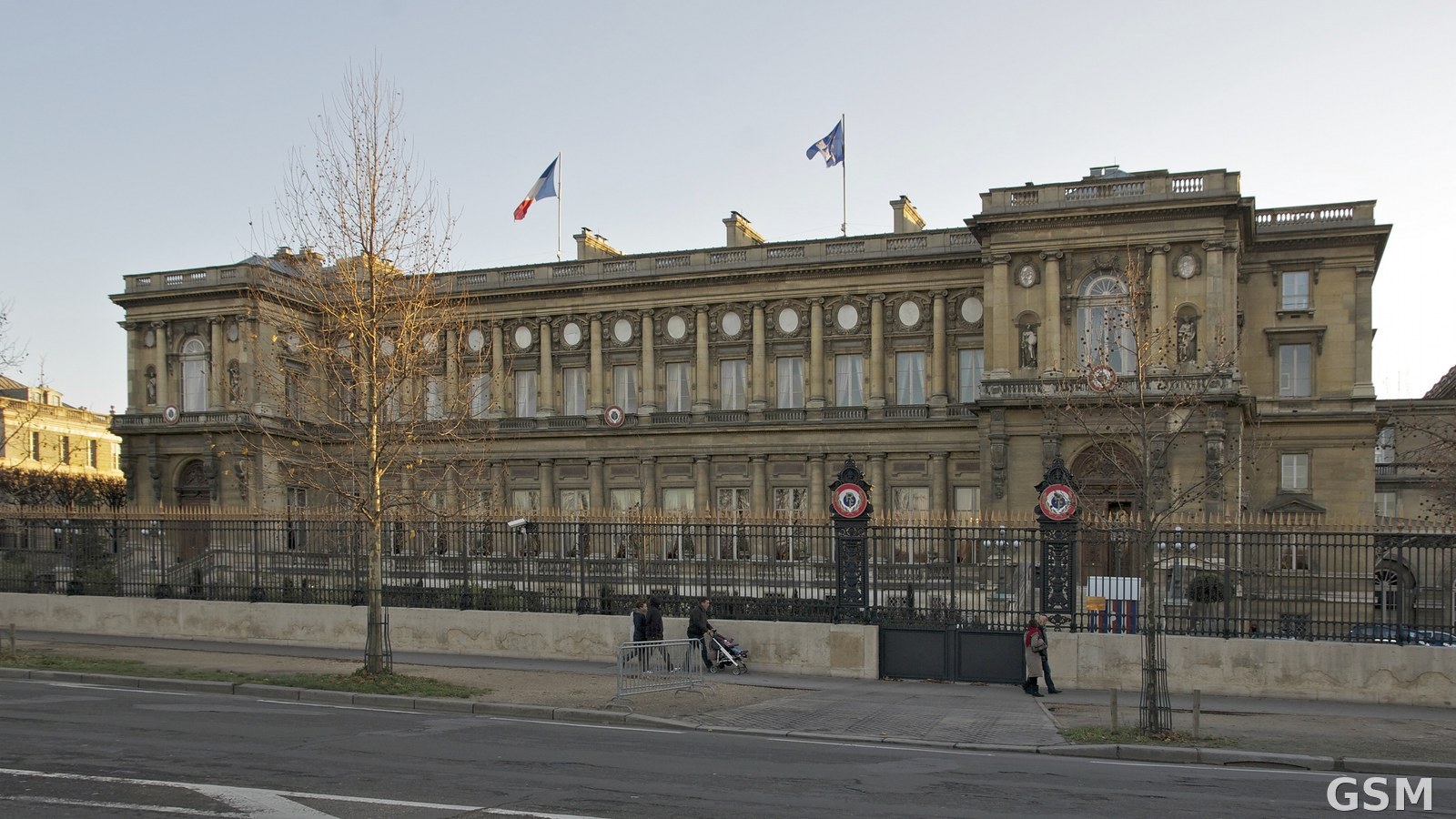
The foreign ministers of the Group of Seven (G7) countries and the High Representative of the European Union met in Paris, France, on November 9 and 10, and their joint statement was released by the U.S. Department of State on November 13. France, which holds the 2026 G7 presidency, chaired the meeting. The statement covers Ukraine, Iran, Gaza, the Indo-Pacific, critical minerals and other issues.
On Ukraine, the ministers reaffirmed their unwavering support for Ukraine's territorial integrity, sovereignty and independence, condemned Russian strikes on civilian infrastructure and civilian shipping in the Black Sea, backed U.S.-led efforts toward peace through direct negotiations, and called for a full and reciprocal ceasefire. They agreed to increase pressure on Russia's war economy, including through coordinated sanctions and action against the shadow fleet used to circumvent them. The statement expressed concern over support to Russia by North Korea and Iran and the provision of weapons, military training and dual-use components by China, which it said enables the continuation of the war, and said the G7 would continue to take action against these countries.
The ministers reiterated that Iran must never be allowed to develop or acquire a nuclear weapon and urged Iran to stop its support for non-state armed groups in the region. On Gaza, they committed to the swift implementation of UN Security Council Resolution 2803 and to accelerating humanitarian, recovery and reconstruction efforts, stating unequivocally that Hamas can have no role in Gaza's future and must decommission its weaponry.
On the Indo-Pacific, the statement emphasized a free and open region and freedom of navigation and overflight. Regarding the Taiwan Strait, it cited China's increasingly assertive activities in the waters east of Taiwan as a threat to regional stability, reaffirmed opposition to any unilateral attempts to change the status quo, particularly by force or coercion or the threat thereof, and encouraged the peaceful resolution of cross-Strait issues through constructive dialogue.
The ministers also pledged closer cooperation on critical minerals supply-chain resilience in response to non-market policies and economic coercion, and expressed concern over the situations in Sudan, Haiti and the Horn of Africa.
Source: U.S. Department of State
Published by GSM · USA (original Chinese edition)
Photo: 图:位于巴黎的法国外交部大楼(塞纳河畔奥赛码头,Wikimedia Commons,Jebulon 摄,CC0)。 / Photo: The French Ministry of Foreign Affairs at the Quai d'Orsay in Paris (Wikimedia Commons, by Jebulon, CC0).