Black Bears Are Turning Up in More Low-Elevation California Communities; State Is Home to About 61,000, the Largest Population in the Continental U.S.
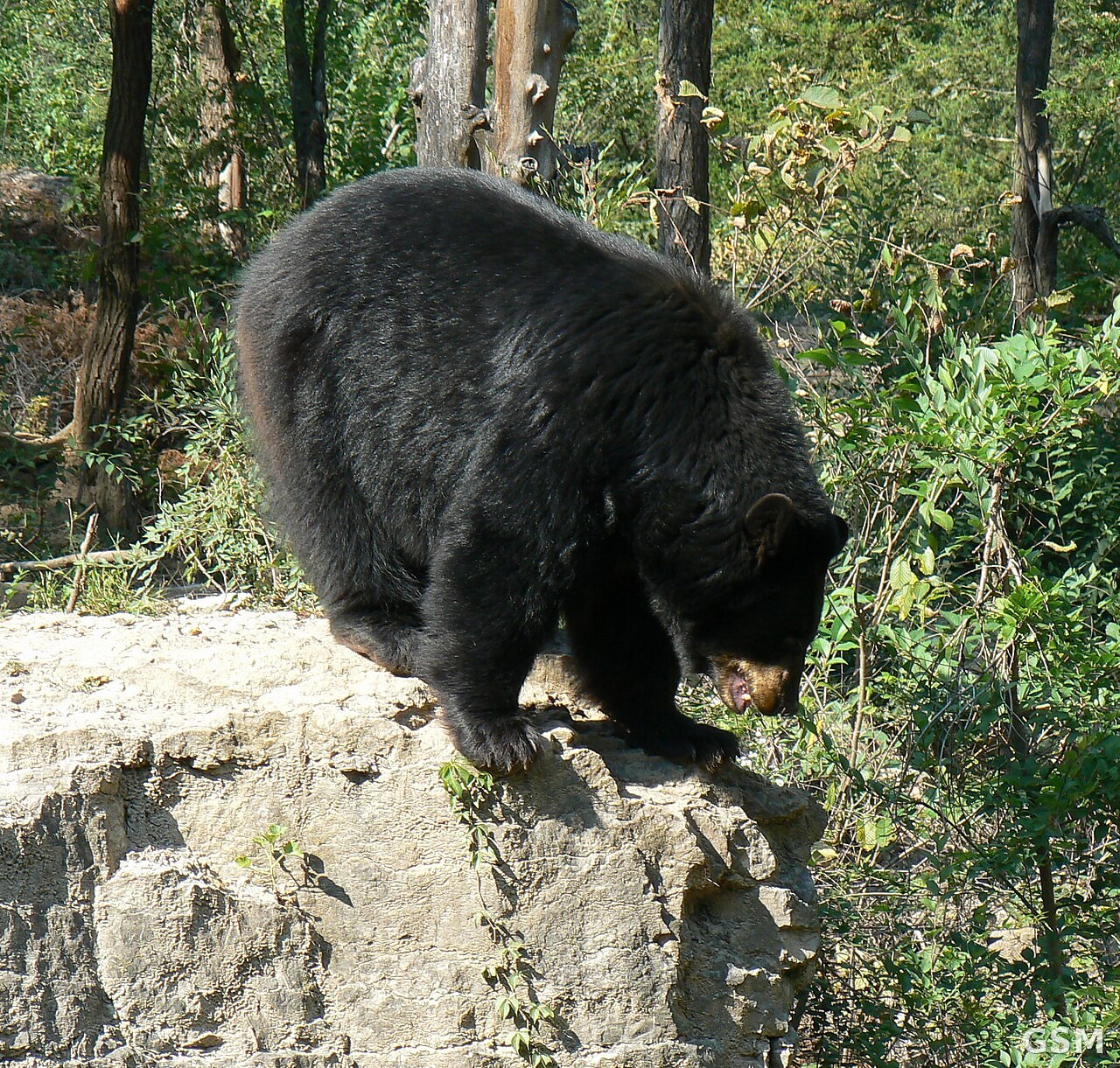
California's black bears are on the move and turning up in some surprising places, the California Department of Fish and Wildlife (CDFW) said on November 13, with more communities becoming bear country. In early August, a yearling black bear was spotted within the city limits of Roseville and Rocklin in Placer County, California. Earlier in the year, another adult female and her two young cubs were confirmed in Granite Bay, also in Placer County; the age of the young cubs indicated they were born in the suburbs outside Sacramento and did not wander in from high mountain habitat above.
In July, security cameras captured extraordinary footage in Pollock Pines, El Dorado County: a mother bear with quadruplets in tow exploring neighborhoods there.
Arjun Dheer, CDFW's statewide black bear coordinator, said some of what is being seen is natural movement as bears disperse, noting that bears can travel considerable distances and follow river corridors and connected open space to move through developed areas. The presence of very young bears in lower elevations means more communities will encounter bears for the first time, he said, so providing those communities with practical information before conflicts develop is an important part of keeping bears wild and people safe. Black bears are exceptionally adaptable and able to use a wide variety of habitats, he added.
For Alexia Ronning, CDFW's North Central Region human-bear conflict biologist, bears frequenting lower-elevation communities means quickly educating residents, local police departments, county sheriffs and animal control officers on best practices. The most effective response begins before any conflict occurs, she said: secure garbage and other attractants, prevent access to crawl spaces and outbuildings, give bears plenty of space and never feed them.
California is home to an estimated 61,000 black bears, the largest population of black bears in the continental United States, alongside a human population of 40 million. CDFW encourages Californians to follow the six at-home BearWise basics: never feed or approach bears; secure food, garbage and recycling; remove bird feeders when bears are active; never leave pet food outdoors; clean and store grills and smokers; and alert neighbors to bear activity. Consistent action across an entire neighborhood is especially important, CDFW said, because one unsecured food source or crawl space can draw a bear into a community and encourage behavior that puts both people and bears at risk.
Residents can view CDFW's updated black bear range map and the Black Bear Conservation and Management Plan for California on the department's website. Human-bear conflict can be reported to the nearest CDFW regional office, and anyone facing an immediate public safety threat from a bear should contact emergency personnel at 911.
(Source: California Department of Fish and Wildlife)
Source: California Department of Fish and Wildlife
Published by GSM · USA (original Chinese edition)
Photo: 图:一只美洲黑熊。MONGO 摄,公共领域,经 Wikimedia Commons。 / Photo: An American black bear. Photo by MONGO, public domain, via Wikimedia Commons.