California DOJ Releases Report on Grover Beach Officer-Involved Shooting of Aaron Gardner, Finds Insufficient Evidence to Support Charges
California Attorney General Rob Bonta on November 13 released a report on the death of Aaron Gardner, who was fatally shot by a Grover Beach Police Department officer on May 25, 2024, in San Luis Obispo County. After a thorough investigation, the California Department of Justice concluded that the evidence does not support filing criminal charges in the case, and no further action will be taken. The report was issued under Assembly Bill 1506 (AB 1506), which requires the DOJ to investigate all officer-involved shootings resulting in the death of an unarmed civilian in California.
According to the report, Grover Beach officers first responded to a 911 call about Mr. Gardner threatening a person with a handgun but were unable to locate him. About ten minutes later, an officer responded to a second call about Mr. Gardner throwing rocks at passing vehicles and passersby. Once located, Mr. Gardner stated that he was armed, held the gun behind his back, and repeatedly ignored the officer's warnings to drop the gun. After Mr. Gardner aimed the gun at the officer, the officer fired, fatally wounding him. The handgun was later discovered to be a plastic, Glock-style replica.
The DOJ concluded that the evidence does not show, beyond a reasonable doubt, that the officer acted without the intent to defend themselves and others from what they reasonably believed to be imminent death or serious bodily injury, so there is insufficient evidence to support a criminal prosecution. “We hope that this report provides clarity to the Grover Beach community and to those personally affected by this incident,” Attorney General Bonta said.
As in all AB 1506 investigations, the report also makes five policy recommendations for the Grover Beach Police Department: work with the San Luis Obispo Sheriff's Communication Center to ensure dispatchers relay critical information to responding officers; finalize its draft crisis intervention policy and train on it; add training on when to wait for backup before engaging in potentially high-risk encounters; add training on de-escalation tactics using time, distance and cover; and amend its de-escalation policy and training to comply with current state law.
Source: California Department of Justice
Published by GSM · USA (original Chinese edition)
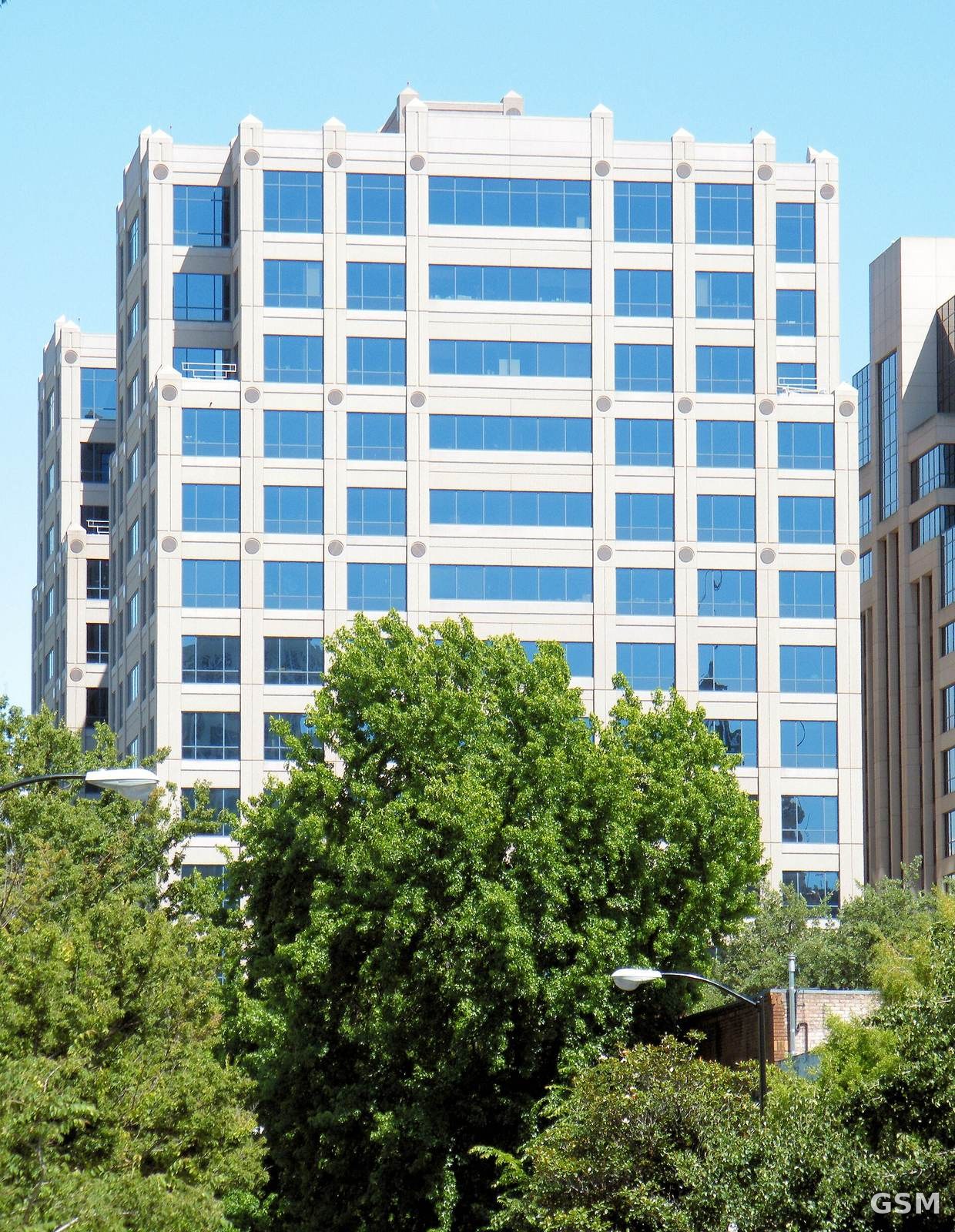
Photo: 图:加州总检察长办公室大楼(萨克拉门托)。Coolcaesar 摄,CC BY-SA 3.0,经 Wikimedia Commons。 / Photo: The California Attorney General's office building in Sacramento. By Coolcaesar, CC BY-SA 3.0, via Wikimedia Commons.