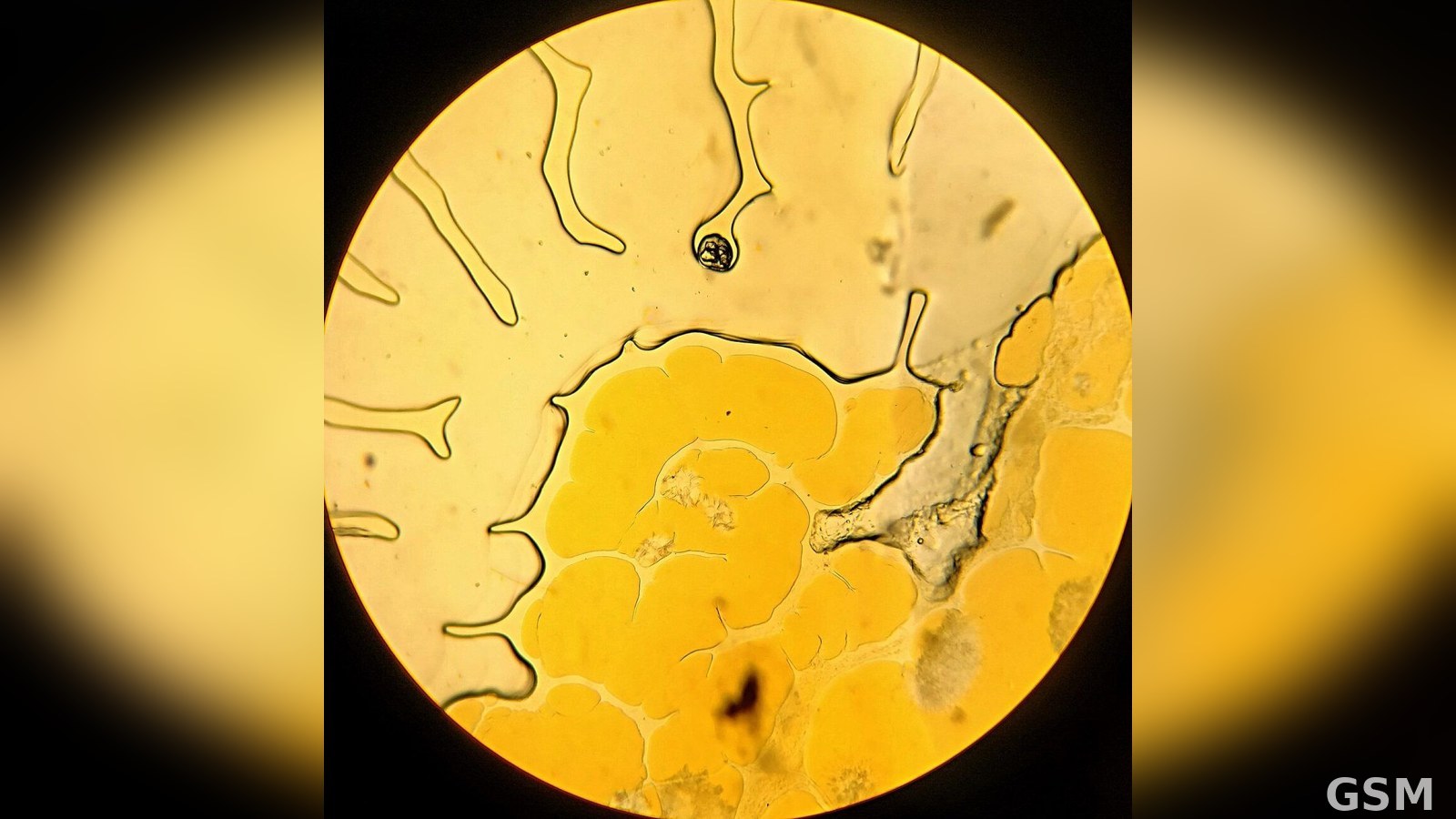
Senegal Newborn Serum Proteome Maps 979 Proteins, 53-Protein Cluster Distinguishes Neonatal Sepsis
Scientific Reports on November 14 published a serum proteomics study of neonatal sepsis. The paper notes that neonatal sepsis is a major cause of morbidity and mortality, particularly in low- and middle-income countries such as Senegal, where incidence is 78 to 104 per 1000 live births, mortality exceeds 20 per 1000, and case fatality rates are around 36 percent.
The team analyzed serum samples from Senegalese neonates and adults using data-independent acquisition (DIA) proteomics on neat serum on an Evosep-timsTOF HT platform, aiming to establish a neonatal-versus-adult reference and to identify serum protein biomarkers of neonatal sepsis.
The study identified 979 ± 20 proteins in newborns versus 718 ± 40 in adults. Newborns showed reduced immune-response related proteins, a narrower dynamic range, and increased structural proteins such as collagens, consistent with immune immaturity and tissue development. Unsupervised WGCNA analysis led to a 53-protein cluster that discriminated confirmed sepsis from non-confirmed sepsis and healthy controls.
The larger marker panel maps to three major biological processes in sepsis: pathogen sensing and acute-phase inflammation; innate immune activation, leukocyte recruitment and platelet exhaustion; and endothelial injury and microvascular dysfunction with tissue remodeling, alongside loss of protective lipoproteins and serpins. The paper is authored by Roger, Coly, Metatla and colleagues.
Source: Scientific
Published by GSM · USA (original Chinese edition)
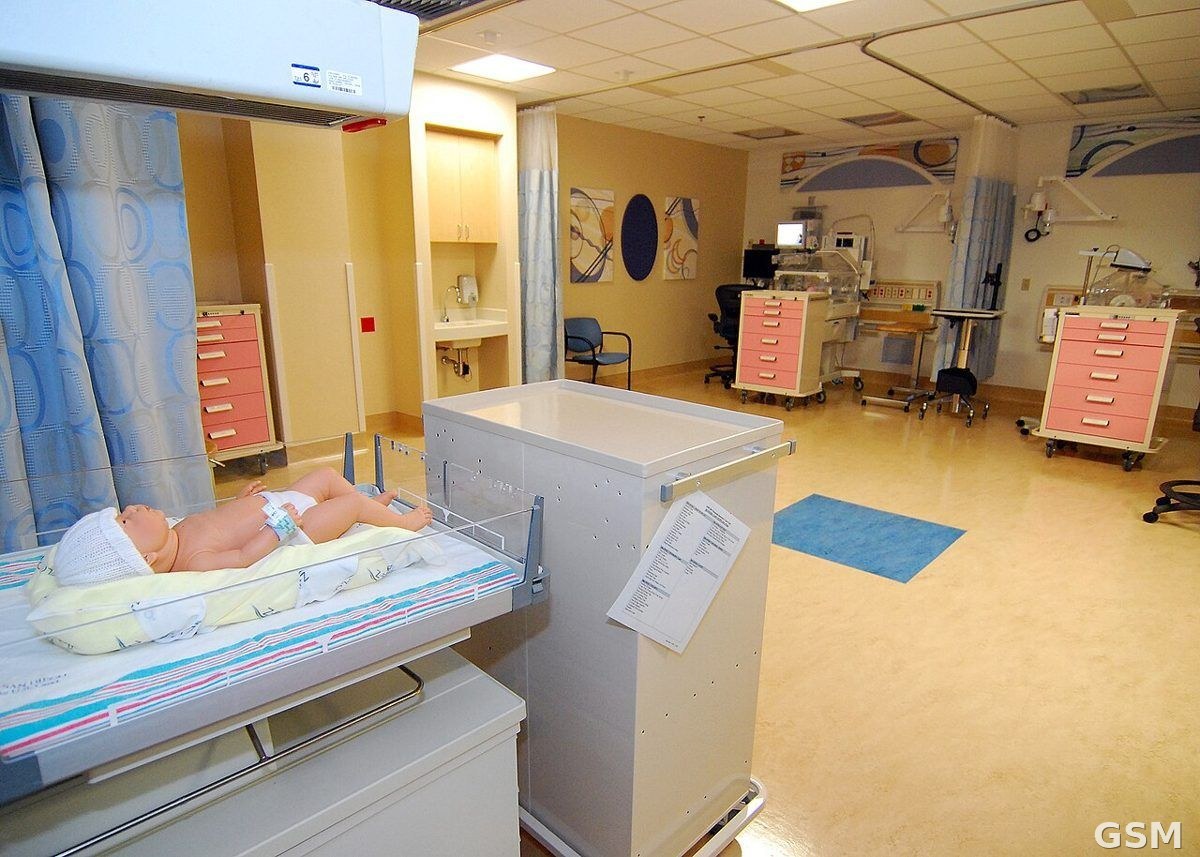
Photo: 图:圣迭戈海军医疗中心的新生儿重症监护病房(NICU)设施(资料图)。来源:美国海军照片,Jake Berenguer 摄,公共领域。 / Photo: The neonatal intensive care unit facility at Naval Medical Center San Diego (file photo). Source: U.S. Navy photo by Mass Communication Specialist 3rd Class Jake Berenguer, Public domain.