Paeoniflorin Reduces Obesity in High-Fat-Diet Mice, Final Body Weight Down 5.6% and 9.8% at Two Doses
Scientific Reports on November 14 published an animal study of paeoniflorin (PF) and obesity. PF is a natural monoterpene glycoside whose effects on white adipose tissue (WAT) browning were previously unclear. Inducing WAT browning has emerged as a potential strategy to enhance energy expenditure and improve metabolic homeostasis.
Obesity was induced in C57BL/6 mice by high-fat diet (HFD) feeding, followed by oral administration of PF at 100 or 200 mg/kg. The potential involvement of the AMPK/SIRT3 signaling pathway was investigated using pharmacological inhibition of AMPK.
PF treatment significantly attenuated HFD-induced obesity and metabolic abnormalities in a dose-dependent manner. Compared with the HFD group, final body weight was reduced by 5.6 percent at 100 mg/kg and by 9.8 percent at 200 mg/kg. PF also reduced adipocyte hypertrophy and increased expression of the browning-related markers UCP1, PGC-1α and PRDM16 in inguinal white adipose tissue.
In differentiated 3T3-L1 adipocytes, PF reduced lipid accumulation, enhanced browning-related marker expression and activated AMPK/SIRT3 signaling, whereas pharmacological inhibition of AMPK attenuated these effects. The authors conclude the effects may be associated with activation of the AMPK/SIRT3 pathway. The paper, by Sun, Wang, Ni and colleagues, is based on mouse and cell models.
Source: Scientific
Published by GSM · USA (original Chinese edition)
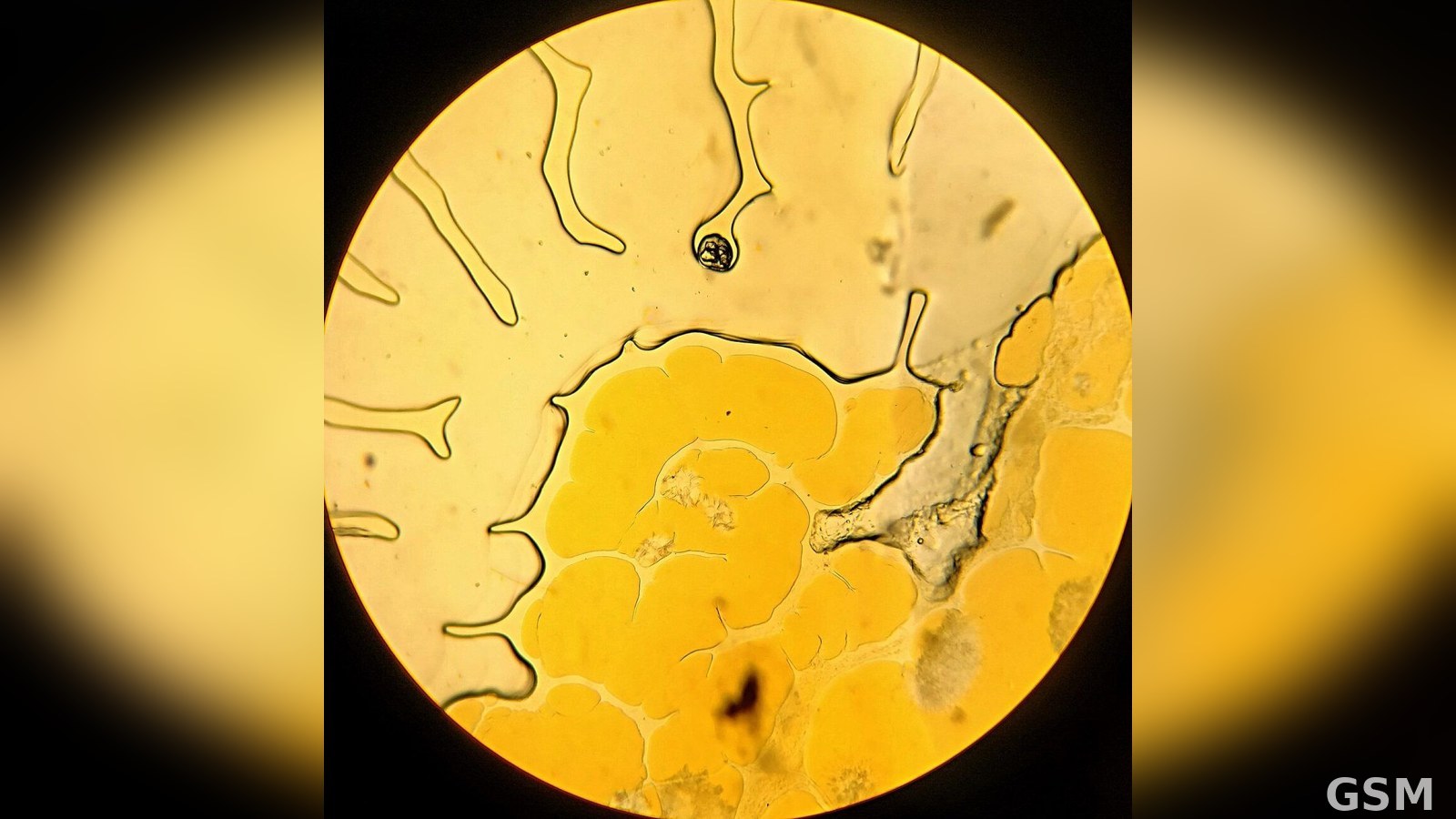
Photo: 图:显微镜下的脂肪组织(资料图)。来源:Lumihell,Wikimedia Commons,CC BY 4.0。 / Photo: Adipose tissue under a microscope (file photo). Source: Lumihell, Wikimedia Commons, CC BY 4.0.