
Study of Menorcan Funerary Rituals Published November 15: Residue Analysis of 34 Vessels Finds Dairy Products and Wine from over 2,000 Years Ago
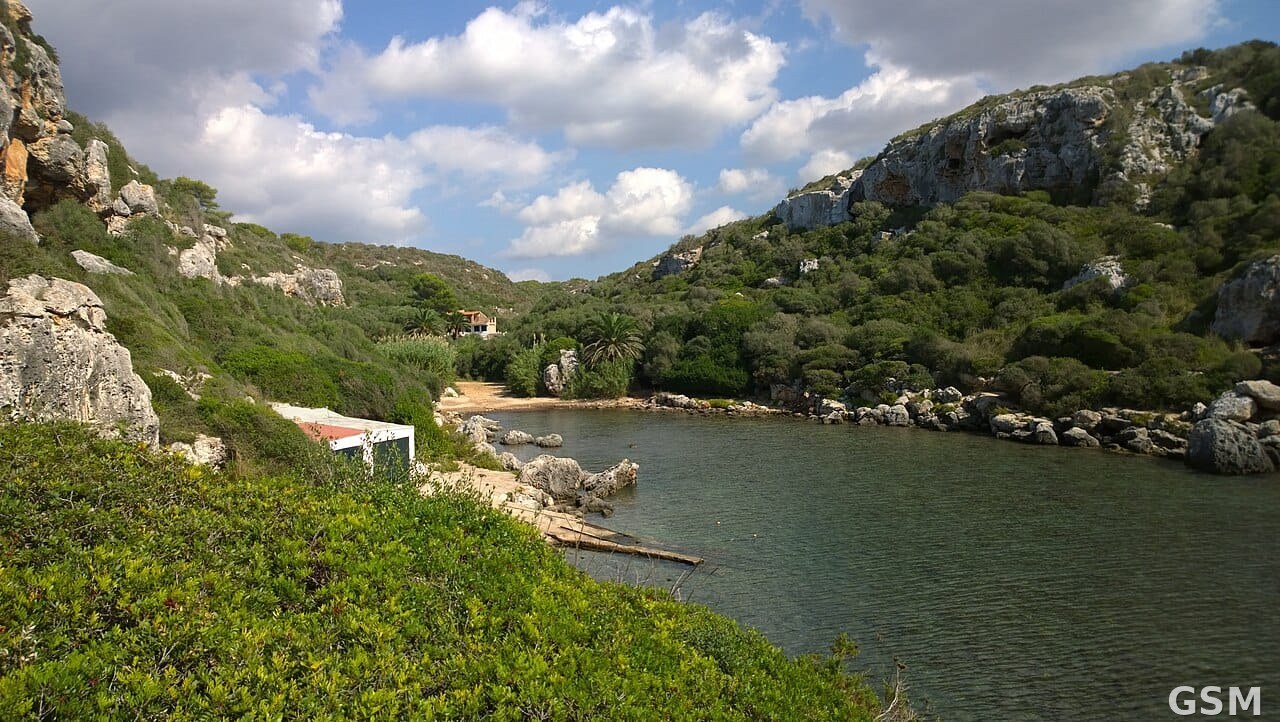
Menorca, Spain - A study of Menorcan funerary rituals from over 2,000 years ago was published and reported on November 15. Conducted by teams at the Universitat Autònoma de Barcelona, the Barcelona Supercomputing Center and Pompeu Fabra University, the research appeared in the Journal of Archaeological Science.
The team analysed organic residues from 34 ceramic vessels recovered from Cave 45 of the sepulchral complex of Calescoves in Alaior. The small, high-bottomed vessels mainly contained dairy products. Traces of wine were identified only on a few local pieces classified as foreign-inspired, whose styles came from other Mediterranean cultures, particularly the Punic world. The study provides the first evidence on the island that wine, a product of foreign origin, was present in a Menorcan funerary ritual.
The study also supported the view that another small, globular-bodied vessel with a pouring spout served as a baby bottle, previously linked to infant burials in Ibiza. Co-authors Sònia Carbonell, Margalida Coll and Adrià Breu commented respectively on trade networks, child-rearing and care, and vessel function.
The ritual ware was recovered in 2023 and 2024, with many pieces intact and still in their original position. The team combined scanning, laboratory micro-excavation and chemical analysis, and unified the dairy and wine tests into a single procedure that halved the sample required. The paper is titled Milk and wine for the departed and takes courtyard 45 at Calescoves as its case.
Published by GSM · USA (original Chinese edition)
Photo: Wikimedia Commons, File:Cales Coves (29503415523).jpg, Ben Salter from Wales, CC BY 2.0
 Study of Red Glyphs in Mexican Cave at Chalcatzingo Published: Teotihuacan Signs From the 4th to 6th Centuries AD in a 7.4-Square-Metre Rock Shelter2026-11-16
 Thracian Warrior Burial Announced in Bulgaria's Sakar Mountains: Dated to About 150-100 BC, With Gold Wreath, Jewelled Knife and Cremated War Horse2026-11-16