
Nature Communications Paper on November 15: PanFlu-IOA Toolkit Generates Two Universal Hemagglutinin Sequences, and Candidate Vaccine panFluA Protects Mice Across Subtypes
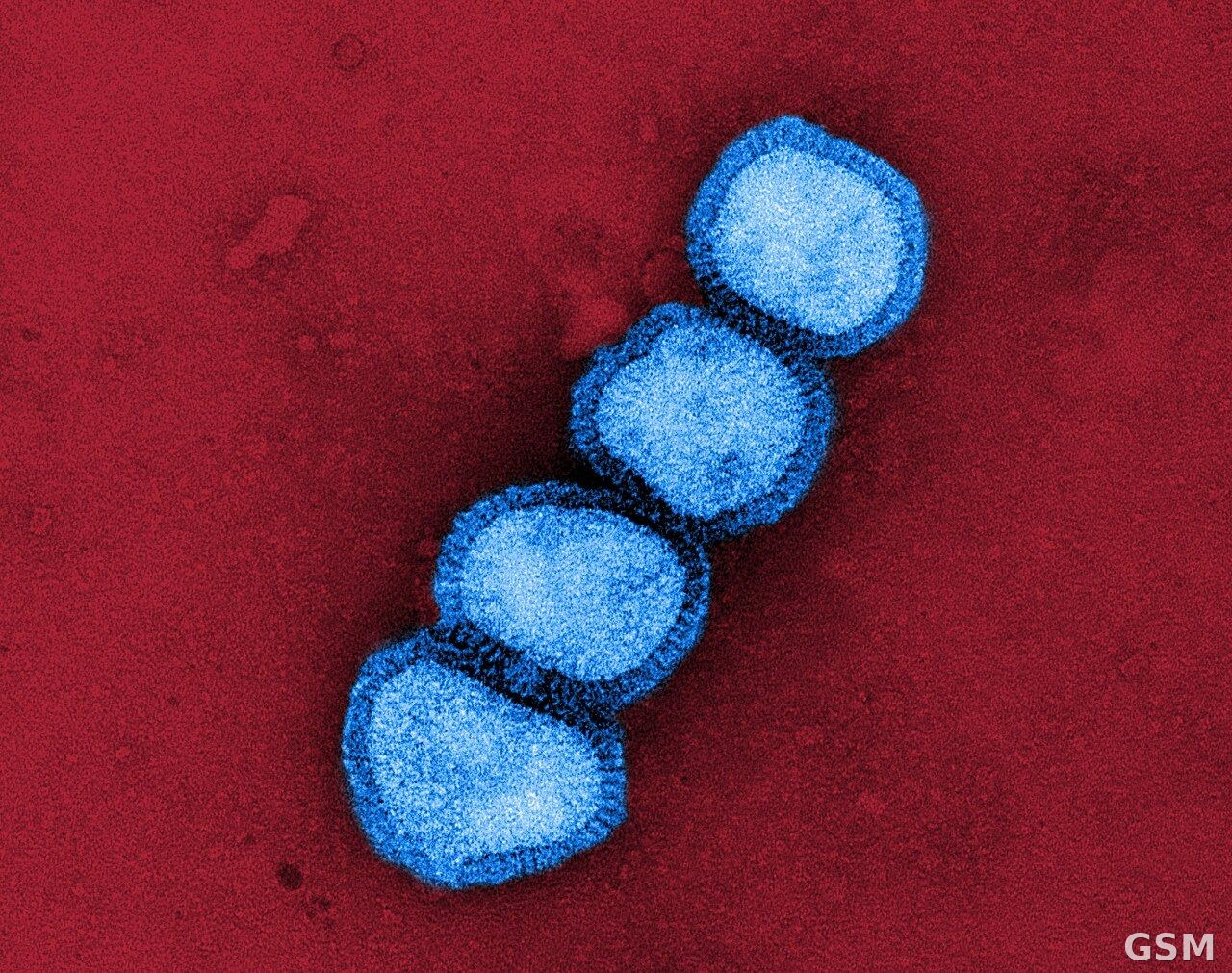
A team from Tianjin Medical University and the Shanghai Public Health Clinical Center of Fudan University published a paper on November 15 in Nature Communications reporting a computational toolkit named PanFlu-IOA and a broad-spectrum influenza vaccine candidate, panFluA, with all results from mouse experiments.
Influenza viruses mutate rapidly and vaccine formulations need annual updates, while existing computationally optimized antigen strategies are mostly confined to certain subtypes and fail to elicit broad immunity against heterosubtypic strains. PanFlu-IOA, short for Pan-Influenza Iteratively Optimized Antigen, was developed to overcome systemic bias and extract universal antigenic features across diverse evolutionary branches.
Using the toolkit, the team generated two universal hemagglutinin sequences, G1-HA and G2-HA, for influenza A virus Group 1 and Group 2 respectively, and incorporated both into an mRNA lipid nanoparticle system to construct the candidate vaccine panFluA. Hemagglutinin is the surface protein the virus uses to enter cells and the main target of current seasonal influenza vaccines.
In mice, panFluA elicited robust cross-reactive humoral immunity, Th1-biased systemic CD4-positive T cell responses and cytotoxic CD8-positive T cell activation, and established durable lung-resident memory T cells. Against lethal challenges with highly divergent Group 1 and Group 2 influenza viruses, panFluA conferred potent cross-protection.
T-cell depletion and passive serum transfer experiments showed the protection was mediated by the coordinated action of humoral and cellular immunity. The authors say the study provides a general strategy for next-generation universal influenza vaccines, and the candidate so far has mouse data only, with no evidence yet in people.
Published by GSM · USA (original Chinese edition)
Photo: Wikimedia Commons, File:Influenza A Virus (H1N1)-1.jpg — Author: NIH Image Gallery. Licensing: Public domain.
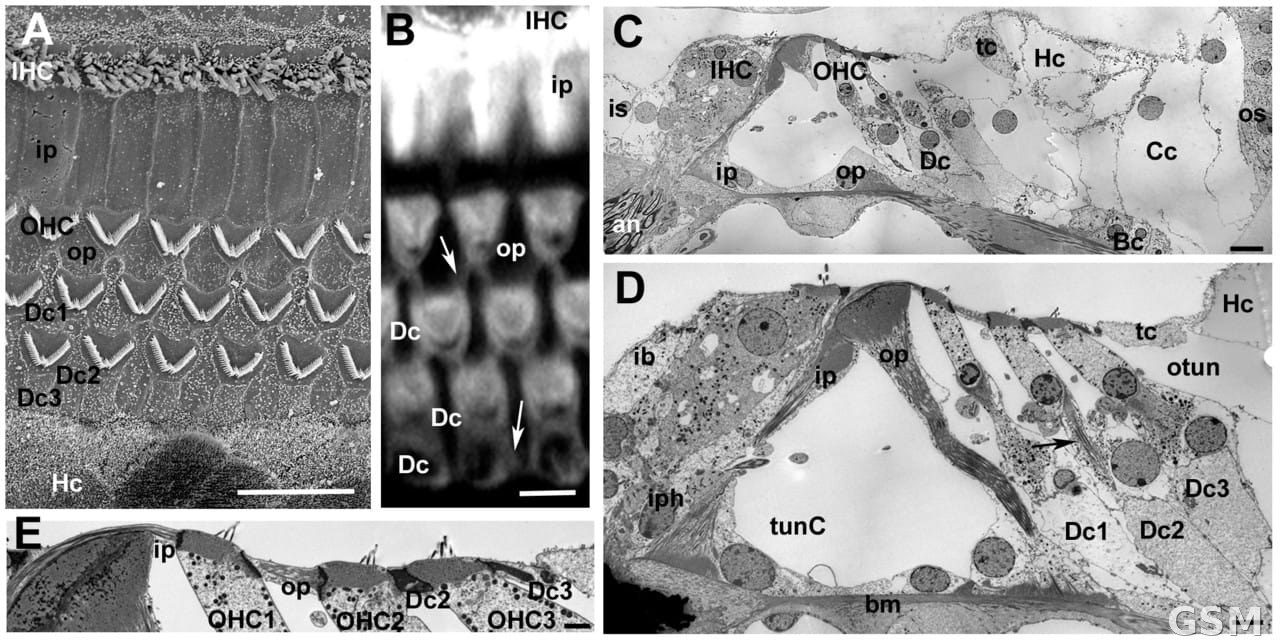 Scientific Reports Paper on November 16: Motions at the Top of the Organ of Corti Are Amplified Over a Wide Frequency Range in the Mouse Cochlear Apex, Recorded by Optical Coherence Tomography2026-11-16
 Scientific Reports Paper on November 16: First Italian Hare Genome Assembly Spans 2.84 Gb and Annotates 22,159 Protein-Coding Genes2026-11-16