
Nature Communications Paper on November 15: Rhizospheric pH-Mediated Thermo-Signalling Coordinates Arabidopsis Root Growth, With Plasma Membrane Proton Pumps Controlled by the Kinases TOT3 and TOI5
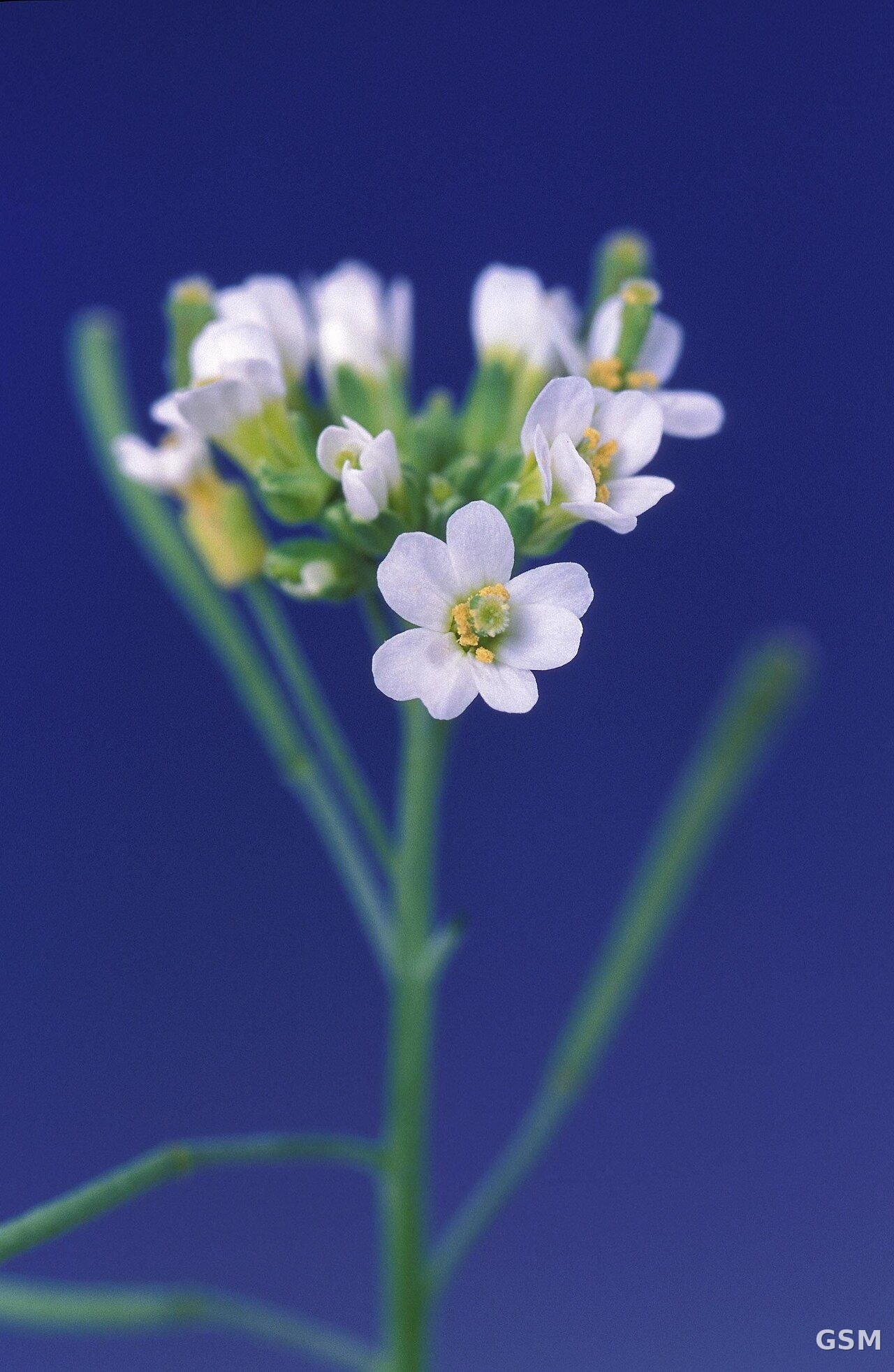
A study published on November 15 in Nature Communications, using the model plant Arabidopsis thaliana, reports that rhizospheric pH is a key component of a thermo-signalling mechanism that regulates temperature-dependent root responses through reactive oxygen species mediated control of cell cycle dynamics. The authors include Aneesh S. Lale, Atish Bansod and Rahul A. Bhosale.
Heat stress events pose a major threat to global agriculture due to elevated air and soil temperatures, but how plant roots sense soil temperature and adjust growth has remained unclear. The study focused on pH shifts in the meristematic and transition zones of the root.
At moderately high temperatures, alkalization of these zones increases superoxide levels, promoting cell division and root growth. At higher temperatures the pattern reverses, with increased acidification and hydrogen peroxide accumulation inhibiting growth.
Elevating external pH buffers this acidification, reduces hydrogen peroxide levels and confers heat resistance. The authors report that this pH-mediated heat resistance is also effective under soil conditions.
The heat-induced pH shifts are controlled by plasma membrane H-plus ATPases, which are in turn under the control of the kinases TOT3 and TOI5. The findings link pH, reactive oxygen species and root thermomorphogenesis, with implications for improving plant resilience in warming climates, the authors say.
Published by GSM · USA (original Chinese edition)
Photo: Wikimedia Commons, File:Arabidopsis thaliana flower.jpg — Author: Peggy Greb, U.S. Department of Agriculture. Licensing: Public domain.
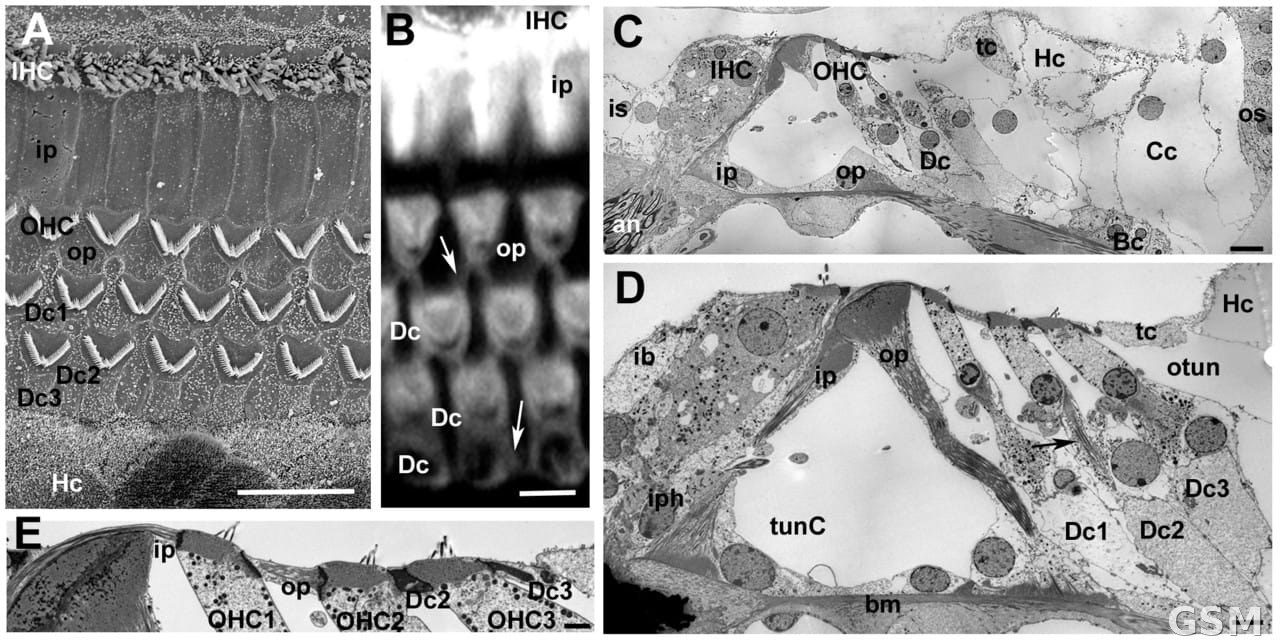 Scientific Reports Paper on November 16: Motions at the Top of the Organ of Corti Are Amplified Over a Wide Frequency Range in the Mouse Cochlear Apex, Recorded by Optical Coherence Tomography2026-11-16
 Scientific Reports Paper on November 16: First Italian Hare Genome Assembly Spans 2.84 Gb and Annotates 22,159 Protein-Coding Genes2026-11-16