
Nature Communications Paper on November 16: A Reaction Triggered at One Point on an MXene Flake Spreads Over About 41 Square Micrometers, Far Beyond the Roughly 0.5-Square-Micrometer Probe Contact
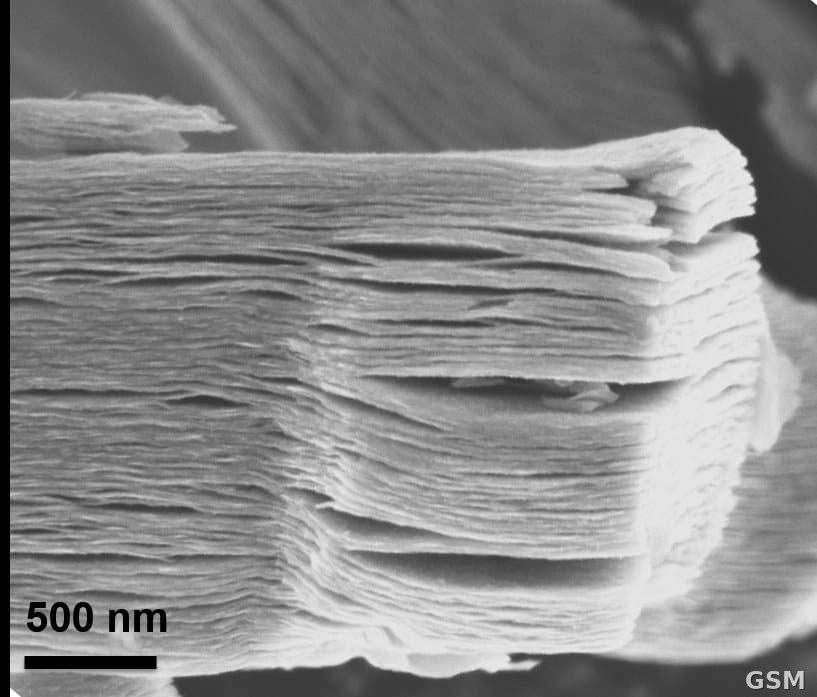
An international team spanning Berlin, Dublin and Wellington published a paper on November 16 in Nature Communications, using scanning electrochemical cell microscopy (SECCM) combined with scanning X-ray microscopy to study the electrochemistry of individual monolayer flakes of the ultrathin material MXene, Ti3C2Tx. Kim McKelvey of Victoria University of Wellington, New Zealand, is among the authors.
The team applied potentials point by point with a nanopipette probe of about 0.4 micrometers radius, giving a contact area of roughly 0.5 square micrometers. X-ray chemical imaging of a monolayer flake with a total area of about 71 square micrometers showed a region of markedly higher oxidation state covering about 41 square micrometers, with a titanium oxidation state of about 4.4, compared with about 3.0 in regions far from the contact points.
Charge measurements agreed with the imaging: the anodic charges passed at two successive contact points were 178 picocoulombs and 769 picocoulombs, totaling 947 picocoulombs, close to the charge expected for an 11-electron oxidation over about 43 square micrometers, and far above the roughly 20 picocoulombs expected if only the probe contact area had reacted.
The team attributes the long-range spread of the reaction across the flake surface to fast proton transport mediated by interfacial water molecules. The study also provides evidence bearing on hydrogen storage in MXene under cathodic conditions. It is a fundamental single-flake measurement study, and the authors note that practical energy-storage applications remain some years away.
Published by GSM · USA (original Chinese edition)
Photo: Wikimedia Commons, File:SEM of MXene.png — Author: Prussianblue1403. Licensing: CC BY 3.0.
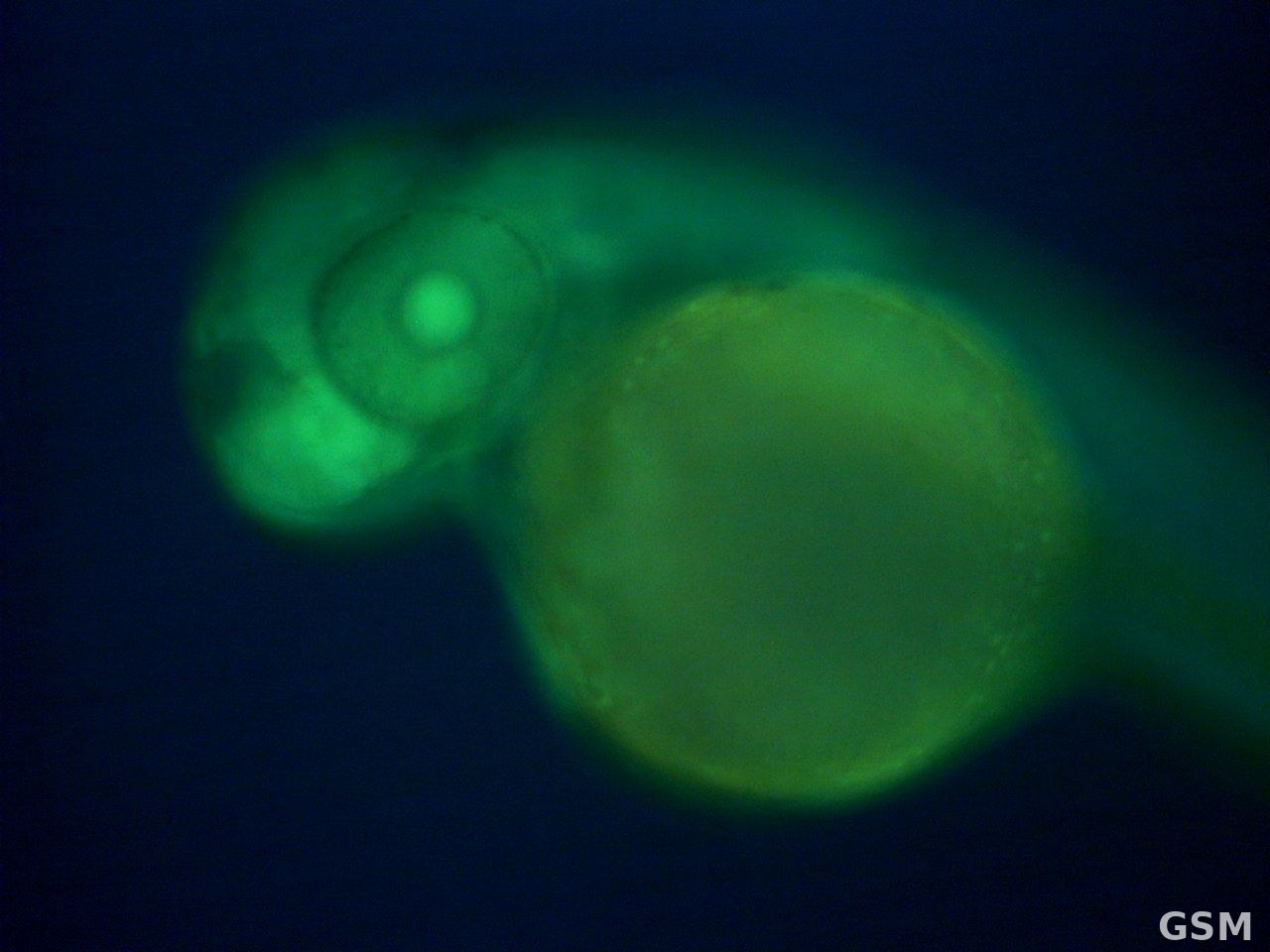 Edinburgh and Bristol Teams, Released November 15: Bisphosphonates and Calorie Restriction Reduce Spinal Ligament Mineralization and Vertebral Fusions in col9a1b-Deficient Zebrafish2026-11-16
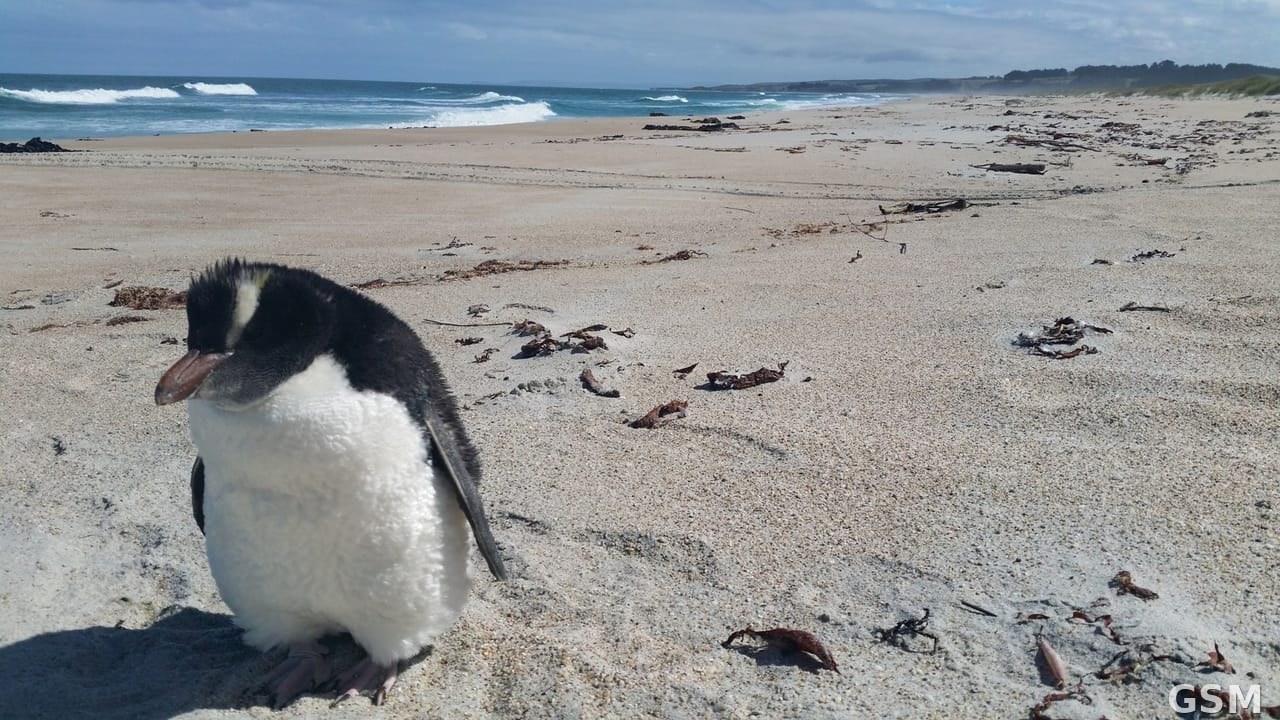 University of Otago Paper in PLOS ONE, Released November 14: About 27,800 Erect-Crested Penguin Pairs on the Bounty Islands Rival About 29,800 on the Antipodes, Where Numbers Fell Over 40% Since 19952026-11-16