
Edinburgh and Bristol Teams, Released November 15: Bisphosphonates and Calorie Restriction Reduce Spinal Ligament Mineralization and Vertebral Fusions in col9a1b-Deficient Zebrafish
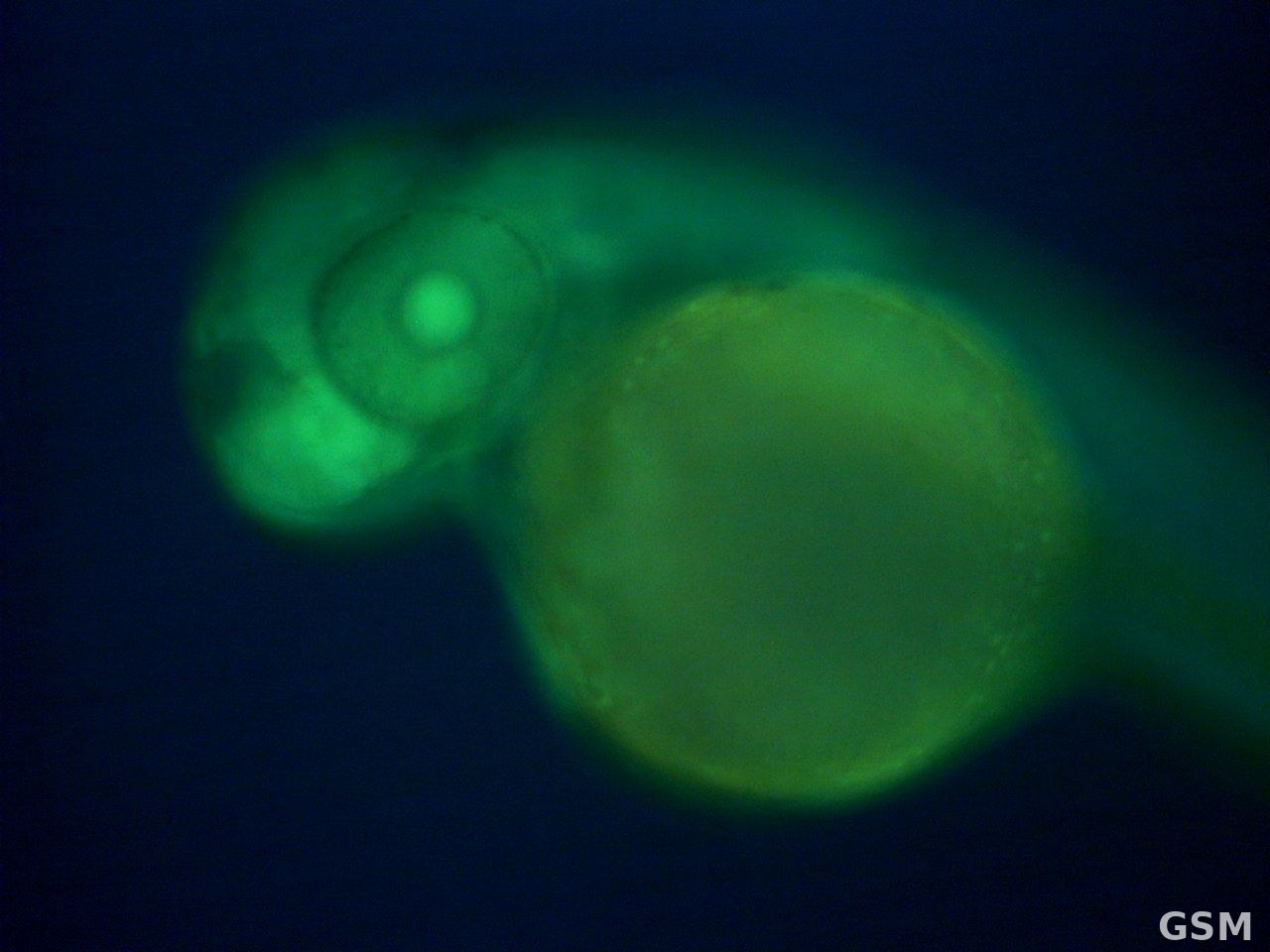
Research by Erika Kague at the University of Edinburgh's Institute of Genetics and Cancer and a University of Bristol team was released on November 15, with the paper published in Communications Biology. The team used zebrafish lacking a functional col9a1b gene to study the genetic and molecular mechanisms of intervertebral disc degeneration; col9a1b encodes collagen IX, which helps maintain the structural integrity of spinal discs.
As they age, these zebrafish develop ectopic mineralization of the intervertebral ligaments, vertebral fusions and disc degeneration, resembling human disc disease. The study links the process to changes in phosphate regulation, retinoic acid, lipid metabolism and mTOR signaling.
Pharmacological interventions targeting those pathways reduced vertebral fusions, and bisphosphonates and calorie restriction in particular showed efficacy in reducing ligament mineralization. Bisphosphonates are a drug class already used clinically to treat osteoporosis.
The researchers stress that all experiments were conducted in a zebrafish model. No human trial has established that bisphosphonates treat intervertebral disc degeneration in people, and the result does not change current prescribing guidance. The work was supported by Arthritis UK and the Biotechnology and Biological Sciences Research Council (BBSRC).
Published by GSM · USA (original Chinese edition)
Photo: Wikimedia Commons, File:Embryo of Zebrafish.jpg — Author: Marco Boschin. Licensing: CC BY 4.0.
 University of Otago Paper in PLOS ONE, Released November 14: About 27,800 Erect-Crested Penguin Pairs on the Bounty Islands Rival About 29,800 on the Antipodes, Where Numbers Fell Over 40% Since 19952026-11-16
 Nature Communications Paper on November 16: Shared Pyrimidine Synthesis Drives Cystic Fibrosis Lung Remodeling in Host and Pseudomonas Alike, and Silencing DHODH Cut Patient-Cell Growth by About 75%2026-11-16