
Nature Communications Paper on November 16: Shared Pyrimidine Synthesis Drives Cystic Fibrosis Lung Remodeling in Host and Pseudomonas Alike, and Silencing DHODH Cut Patient-Cell Growth by About 75%
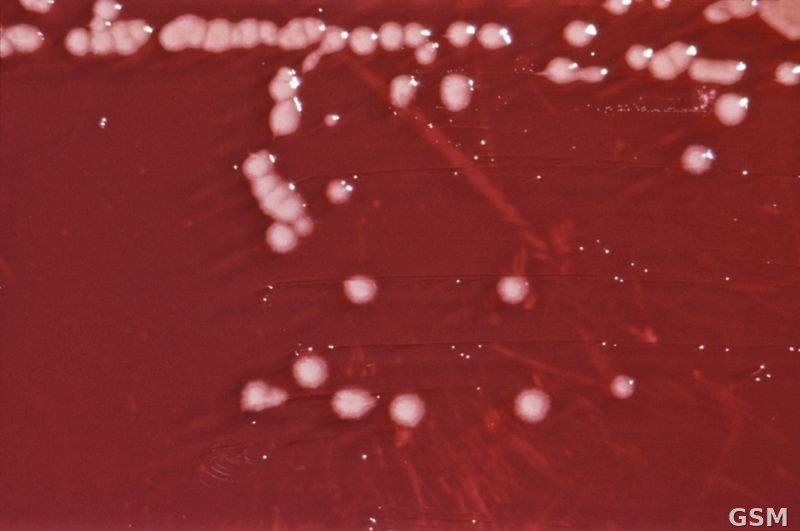
A team led by Sebastian A. Riquelme at Columbia University published a paper on November 16 in Nature Communications reporting that cystic fibrosis (CF) airway cells and the major CF pathogen Pseudomonas aeruginosa share the same de novo pyrimidine synthesis pathway (DNPPS), which jointly drives lung remodeling. Cystic fibrosis is caused by mutations in the CFTR gene, and P. aeruginosa is its principal lung pathogen.
Working with primary bronchial epithelial cells from three patients and three non-CF donors, the team found elevated levels of DHODH, the pathway's rate-limiting enzyme, in CF cells. Silencing DHODH with small interfering RNA normalized CF cell proliferation, a reduction of about 75%, while exerting minimal effects on non-CF cells.
Transcriptomic analysis showed that 34% of all increased networks in CF airway epithelial cells related to pyrimidine metabolism, aberrant cell growth and fibrosis. Leflunomide, an approved DHODH inhibitor, likewise suppressed CF cell proliferation, an effect reversed by adding uridine, while restoring CFTR function with ETI triple therapy normalized CF cell growth.
The study also found that P. aeruginosa tolerized by the host environment upregulates its own pyrimidine synthesis machinery, amplifying its biomass and releasing factors that sustain remodeling. The work is a mechanistic study in primary cells and cell lines; the paper reports no human clinical trial, and the intervention strategies it proposes await further validation.
Published by GSM · USA (original Chinese edition)
Photo: Wikimedia Commons, File:Pseudomonas aeruginosa 01.jpg — Author: CDC. Licensing: Public domain.
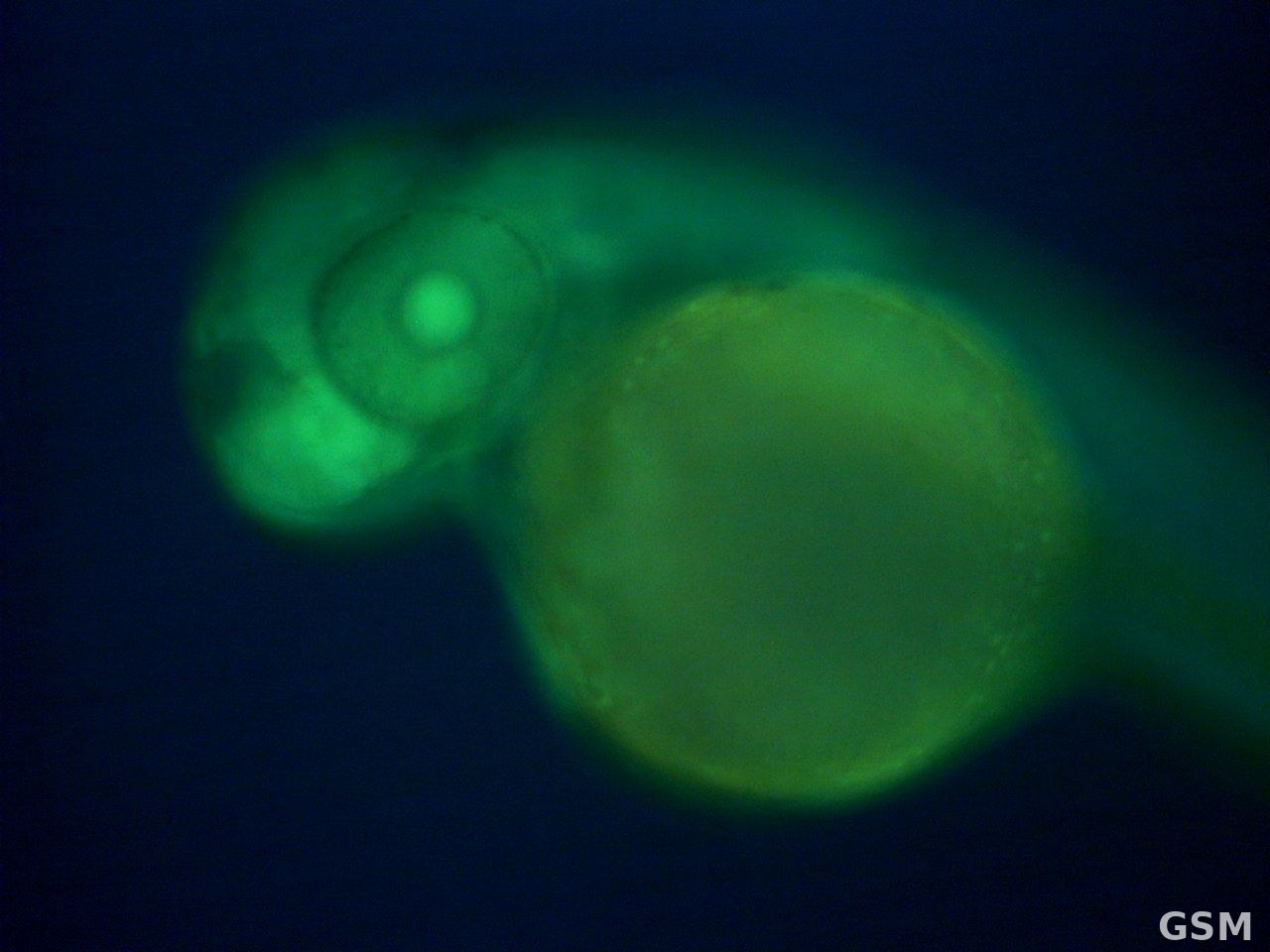 Edinburgh and Bristol Teams, Released November 15: Bisphosphonates and Calorie Restriction Reduce Spinal Ligament Mineralization and Vertebral Fusions in col9a1b-Deficient Zebrafish2026-11-16
 University of Otago Paper in PLOS ONE, Released November 14: About 27,800 Erect-Crested Penguin Pairs on the Bounty Islands Rival About 29,800 on the Antipodes, Where Numbers Fell Over 40% Since 19952026-11-16