South Korea Quarantine Data Cover 164,139 Imported Live Reptiles in 14 Months, With Non-CITES Animals at 73.8%
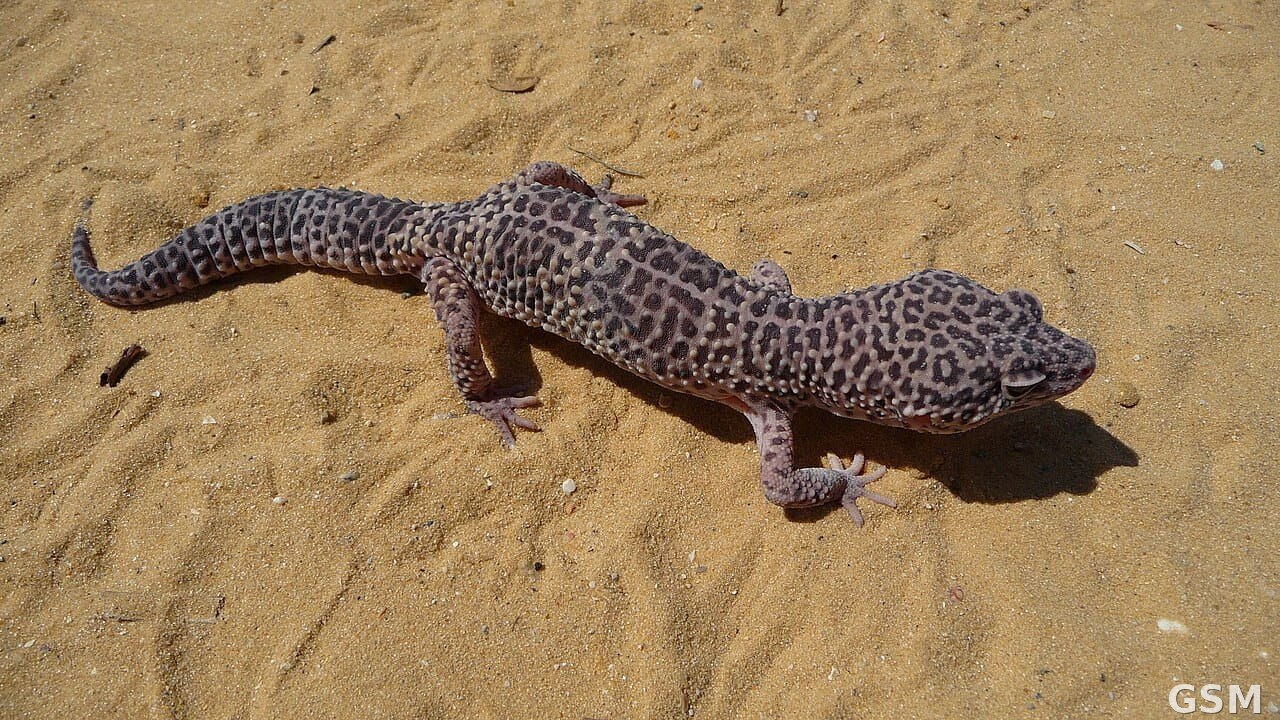
A study published November 14 in Scientific Reports analysed 14 months of national reptile quarantine data from South Korea, covering 164,139 individual live reptiles, and integrated the trade records with a global environmental risk index for emerging infectious diseases.
The United States and China accounted for 52.8 percent of total import volume. However, the majority of the top 10 exporting countries, both by total and by CITES-listed import volume, were biodiversity hotspot nations in Southeast Asia and Africa, and these nations were the primary exporters of non-captive individuals, comprising 100 percent of CITES-listed exports from Madagascar and Togo and 87.0 percent from Indonesia.
Among major exporters, the study found a statistically significant positive correlation between emerging infectious disease risk index values and non-captive sourcing, with a correlation coefficient of 0.66 and a p value of 0.038, indicating that high-pathogen-risk regions tend to rely on extractive harvesting.
The non-CITES category comprised 73.8 percent of total imports and included 15 IUCN-threatened species. In addition, 73.2 percent of imported species were sourced exclusively from a single country, indicating concentrated harvesting pressure on specific wild populations.
The study was conducted by the Wildlife Quarantine Center of South Korea's National Institute of Wildlife Disease Control and Prevention and funded by the institute under project NIWDC-2025-RP-01. The authors say the findings provide an empirical basis for risk-prioritized monitoring of high-risk trade routes and underscore the need for global data-sharing frameworks.
Source: Scientific
Published by GSM · USA (original Chinese edition)
Photo: 图:一只豹纹守宫,宠物贸易中常见的进口爬行动物。来源:George Chernilevsky,Wikimedia Commons,公共领域。 / Photo: A leopard gecko, a commonly traded imported reptile. Source: George Chernilevsky, Wikimedia Commons, public domain.