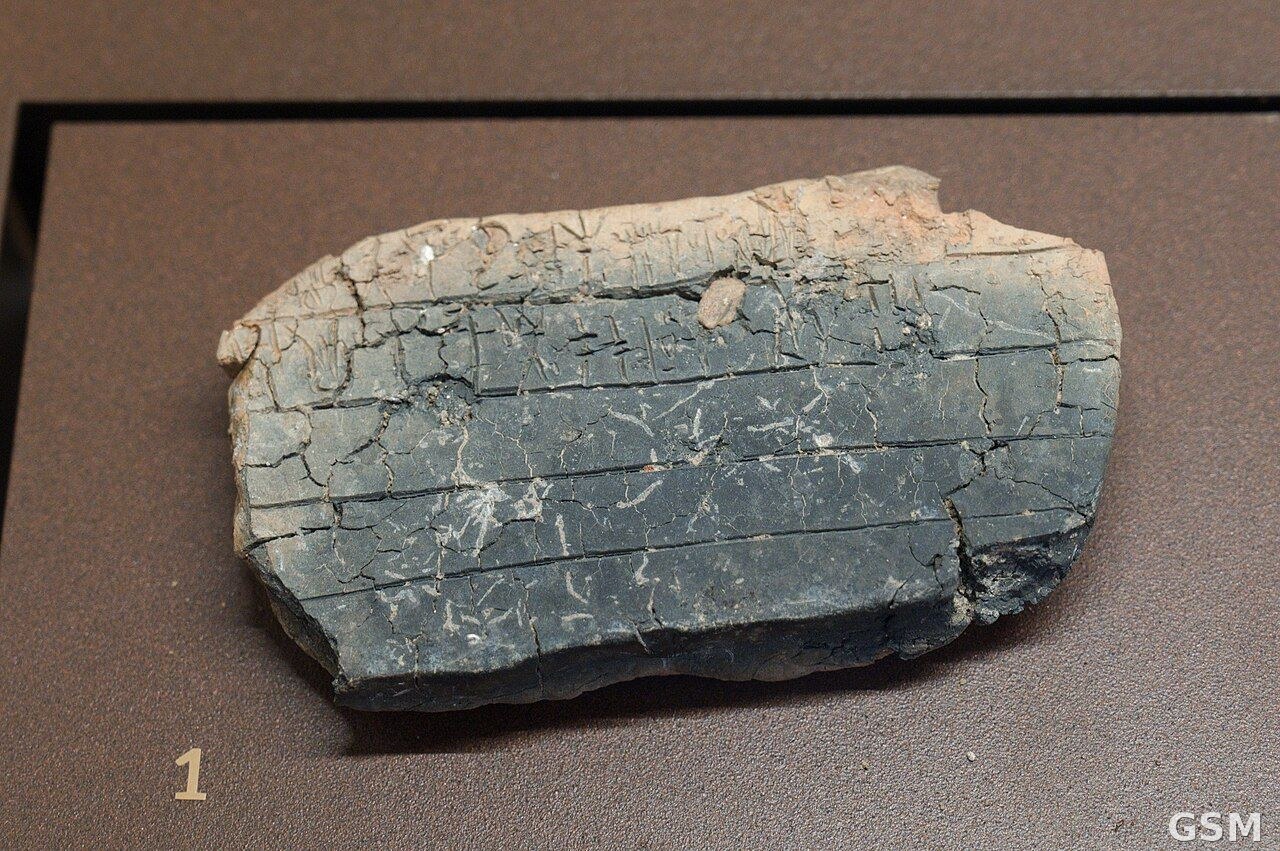
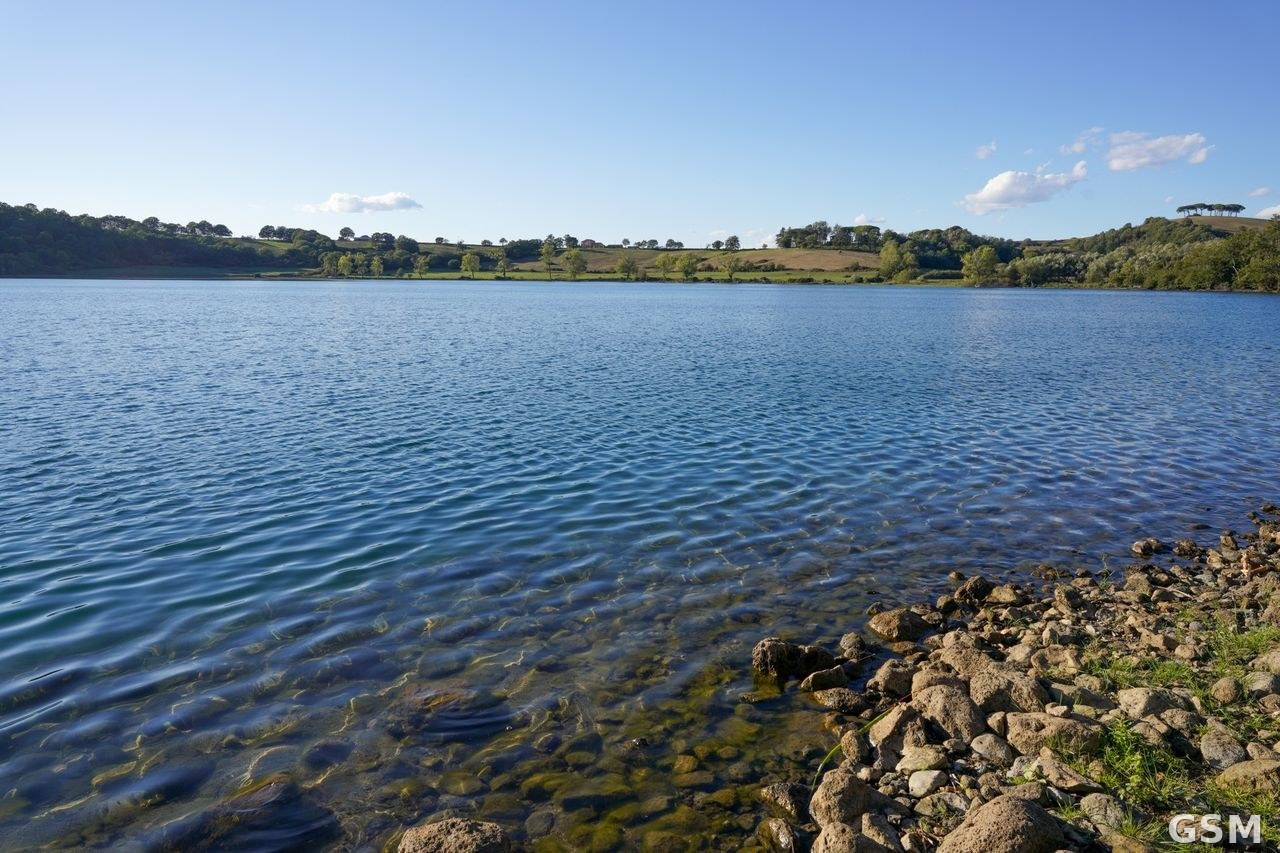
Epidaurus, Greece: A 1,800-Year-Old Account Helps Archaeologists Identify a Lost Sanctuary of Asclepius, with Pottery Fragment and Sacred Well as Key Evidence
Archaeologists in Greece have identified the likely location of a long-lost sanctuary dedicated to Asclepius, the ancient Greek god of medicine, using evidence that closely matches a description written nearly 1,800 years ago.
Professor Vassilis Lambrinoudakis of the National and Kapodistrian University of Athens presented the accumulated results on November 9, 2026. The evidence includes a pottery fragment preserving part of the god's name, a sacred well, and a marble statue possibly depicting his wife, Epione.
Writing in the second century AD, the ancient traveller Pausanias described an open-air sanctuary in the city of Epidaurus containing statues of Asclepius and Epione. Excavations approximately 20 metres from the Small Theatre of Epidaurus have identified a religious complex dating back to the fourth century BC.
The identification remains tentative because no surviving inscription names the figure. Epidaurus was one of the Mediterranean world's most important ancient healing centres.
Source: National and Kapodistrian University of Athens
Published by GSM · USA (original Chinese edition)
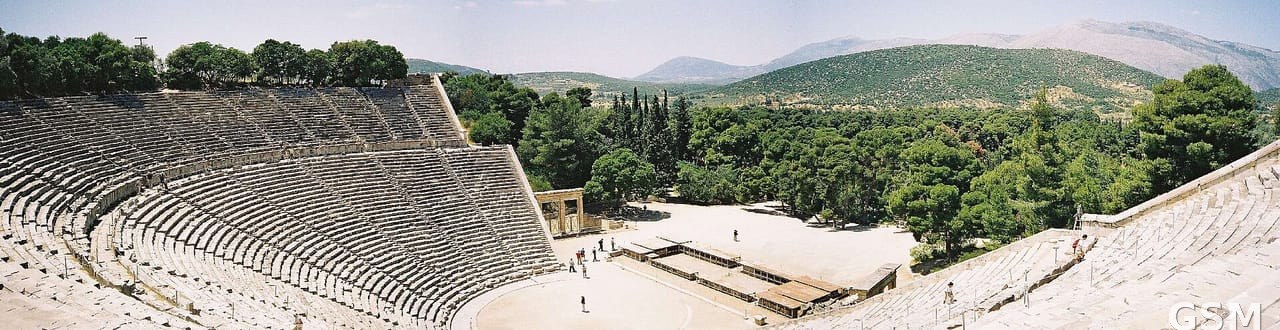
Photo: 图中是希腊埃皮达鲁斯古剧场。图源:Wikimedia Commons,作者 Morn(English Wikipedia),公共领域。