A Century After His Death, Houdini's Unpublished Manuscript Reaches Print: The Escape Artist as Historian of Magic
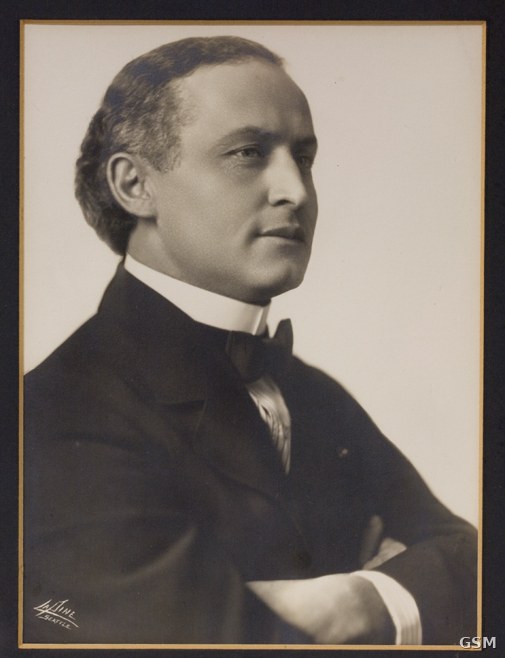
An unpublished manuscript by magician Harry Houdini, titled “An Interesting Scrapbook,” has reached print for the first time in the latest issue of Strand magazine, published on October 31, the centennial of Houdini's death, according to the Associated Press. The manuscript had survived among Houdini's papers at the Harry Ransom Center at the University of Texas at Austin and had never previously been in the public domain.
Unlike the escapes that made Houdini famous, the manuscript is not about himself. It examines the magicians and theatrical performers who came before him and shaped the early days of stage magic, and it includes images of numerous 19th-century theater bills from an era when public fascination with the supernatural was growing and acts were advertised with claims of necromantic miracles and magical delusions.
Andrew Gulli, the editor of Strand, said the article reveals a side of Houdini long overshadowed by his fame as an escape artist: Houdini the historian, painstakingly documenting forgotten magicians, theatrical performers, old playbills and the world of 19th-century entertainment. Houdini experts Matthew Solomon of the University of Michigan and John Cox of the fan site Wild About Harry told Gulli they believed the article had never previously been published. Why Houdini, a prolific author of more than two dozen books, short stories and plays and a fierce guardian of his professional knowledge, left the piece unseen remains unanswered: he may have withheld it to keep rivals from benefiting from his research, or the project may simply have been left unfinished.
The Ransom Center is also marking the centennial with the exhibition “Houdini's Library,” organized by theater and performing-arts curator Eric Colleary and running through January 24, 2027. It examines the books, manuscripts and ephemera Houdini gathered to document magic and theater, including a first edition of Reginald Scot's 1584 “The Discoverie of Witchcraft” and a handwritten travel diary by actor David Garrick. The university says Houdini's performances were informed by his awareness of earlier magicians.
Houdini was born Erik Weisz in Budapest in 1874 and emigrated to the United States with his family as a child. Known as the “Handcuff King,” he built his fame on handcuff and sealed-container escapes. He died in Detroit on October 31, 1926, at the age of 52. Commemorations of the centennial on October 31 included a gala in Budapest, the city of his birth, and séances at his former home in New York.
Source: GSM · USA (original Chinese edition)
Photo: 图:胡迪尼肖像(约1910年,LaPine Studios 摄,公共领域,经 Wikimedia Commons)。 / Photo: Harry Houdini, c. 1910, by LaPine Studios. Public domain, via Wikimedia Commons.