America's Electoral System (6): How Voters Cast Ballots: California in 2026 as an Example
[Key points]
Every active registered voter in California is mailed a ballot automatically; the choices are whether and how to return it
Key 2026 dates (California Secretary of State): ballots mailed October 5, registration deadline October 19, vote centers expand October 24, Election Day November 3
Missed the deadline? Conditional ('same-day') registration lets you register and vote at a county office or vote center through November 3
1. Eligibility and registration
To vote in California you must be a U.S. citizen, 18 or older, a California resident, and not currently serving a state or federal prison term for a felony (rights are restored on release). Register online at registertovote.ca.gov, by mail, or in person at a county elections office or the DMV. Update your registration whenever you move, change your name, or want a different party preference. Check your status and address at voterstatus.sos.ca.gov - a stale address is the most common reason a ballot never arrives.
The regular registration deadline for the 2026 general election was October 19, just passed as this series appears. Missing it is not the end: California offers conditional voter registration - 'same-day registration' - from October 20 through November 3. Appear at your county elections office, a vote center or another designated location, register on the spot and cast a provisional ballot; once officials verify eligibility and that you have not already voted, it is counted.
2. California's key dates for 2026 (Secretary of State)
September 24 - October 13: state and county voter information guides are mailed - candidates' statements, the text and analysis of ballot measures. Read yours before voting.
October 5: counties begin mailing ballots to every registered voter; early voting sites open; official ballot drop-off locations open.
October 19: last day of regular registration.
October 20 - November 3: conditional registration in person at county elections offices and voting locations.
October 24: vote centers open across Voter's Choice Act counties (in Southern California these include Los Angeles, Orange and Riverside), letting any voter in the county use any vote center.
November 3: Election Day; polls are open 7 a.m. to 8 p.m., and anyone in line at 8 p.m. may still vote. Ballots returned in person must arrive by 8 p.m.; mailed ballots count if postmarked by November 3 and received by the county by November 10.
3. Three ways to cast the ballot
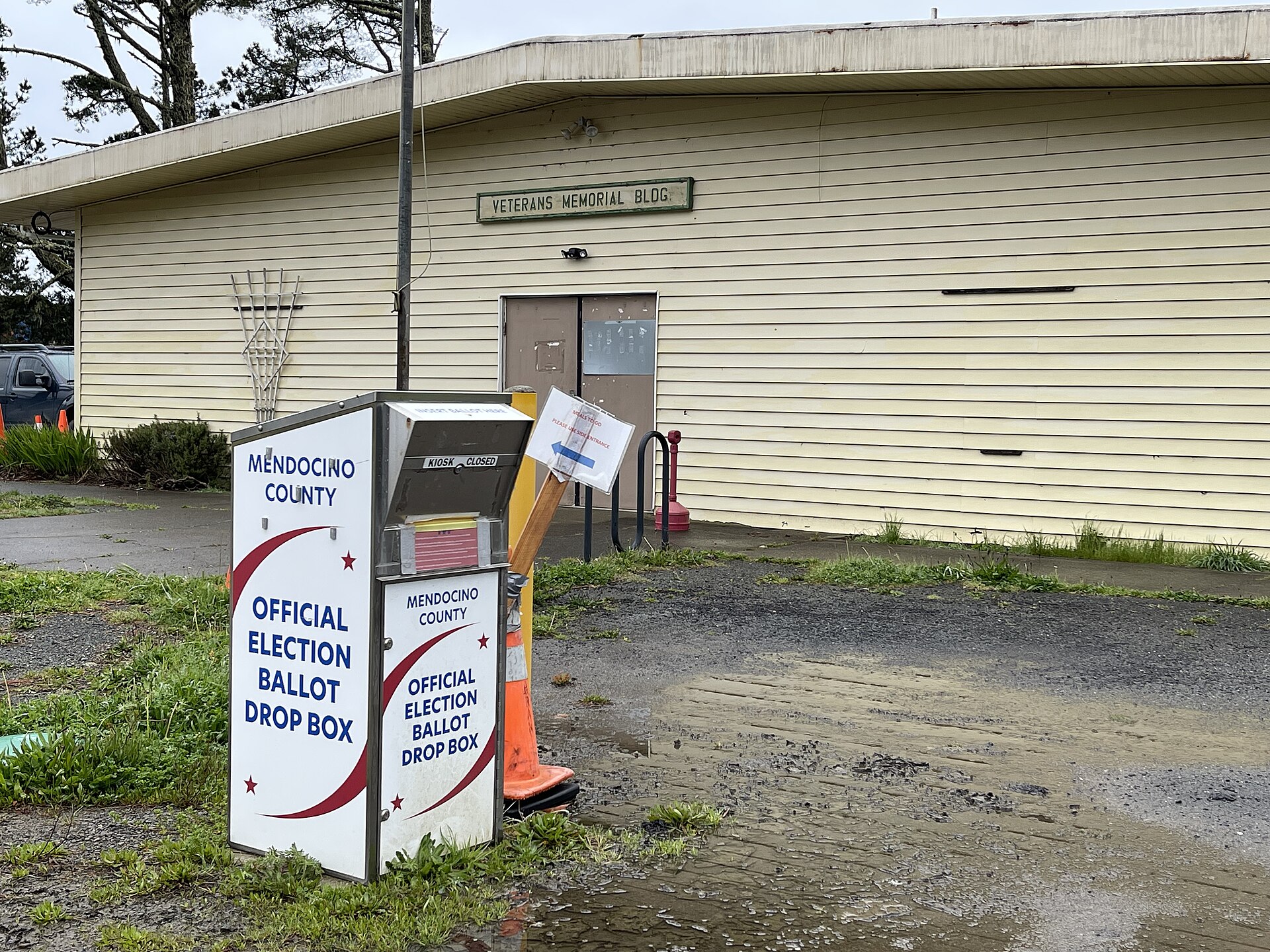
By mail: fill in the ballot, seal it in the official envelope, sign the envelope - the signature must match your registration record; if it is missing or does not match, the county will contact you with a chance to cure it - and return it postage-free by mail or at an official drop box. The 'Where's My Ballot' service tracks your ballot's mailing, receipt and counting.
At a vote center: in Voter's Choice Act counties, any county voter can use any vote center for days before and including Election Day, with replacement ballots, same-day registration and language assistance on site. Counties outside the Act use traditional precinct polling places, where you vote at your assigned location.
On Election Day in person: polls run 7 a.m. to 8 p.m. Most voters are not asked for photo ID; first-time voters who registered by mail without providing ID numbers may be asked for identification, so carrying ID or proof of address is prudent.
4. No-party-preference voters, and language assistance
A voter registered as No Party Preference receives exactly the same November ballot as everyone else: the general election has no party columns, and every office and measure is open to every voter. Party-ballot rules apply only in presidential primary years (Chapter Five).
Under Section 203 of the federal Voting Rights Act, counties meeting demographic thresholds must provide minority-language ballots and materials. Los Angeles County provides full ballots and sample ballots in Chinese among other languages; San Diego and Orange counties provide Chinese sample ballots and interpreter assistance. Any voter may also bring a person they trust into the voting booth to assist (employers and union representatives excepted). Asking for language help - at the site or through the Secretary of State's voter hotline, which offers Chinese-language service - is a legal right, not a favor.
(Previous: primaries and nominations. Next: counting, certification, and Chinese-American civic participation.)
Related: America's Electoral System (5): Primaries and Nominations: How Candidates Are Chosen
Related: America's Electoral System (7): Counting, Certification, and a Path into Public Office
Source: GSM · USA (original Chinese edition)
Photo: 图:加州Mendocino县的官方选票投递箱,选民可在此交回邮寄选票。Sarah Stierch 摄/Wikimedia Commons(CC BY 4.0)
- 2026-10-20America's Electoral System (1): The Big Picture: What U.S. Elections Actually Decide
- 2026-10-20America's Electoral System (2): How the President Is Elected: The Electoral College and the Road to 270
- 2026-10-20America's Electoral System (3): How Congress Is Elected: Senate, House and Redistricting
- 2026-10-20America's Electoral System (4): The Midterms: What Is on the Ballot on November 3, 2026
- 2026-10-20America's Electoral System (5): Primaries and Nominations: How Candidates Are Chosen
- 2026-10-20America's Electoral System (6): How Voters Cast Ballots: California in 2026 as an ExampleThis story
- 2026-10-20America's Electoral System (7): Counting, Certification, and a Path into Public Office