
Silicon Carbide Nanomaterials in Disc Brake Pads: 0.5% Loading Raised Average Brake Force by Up to 19%, With Fade Resistance Up to 130°C
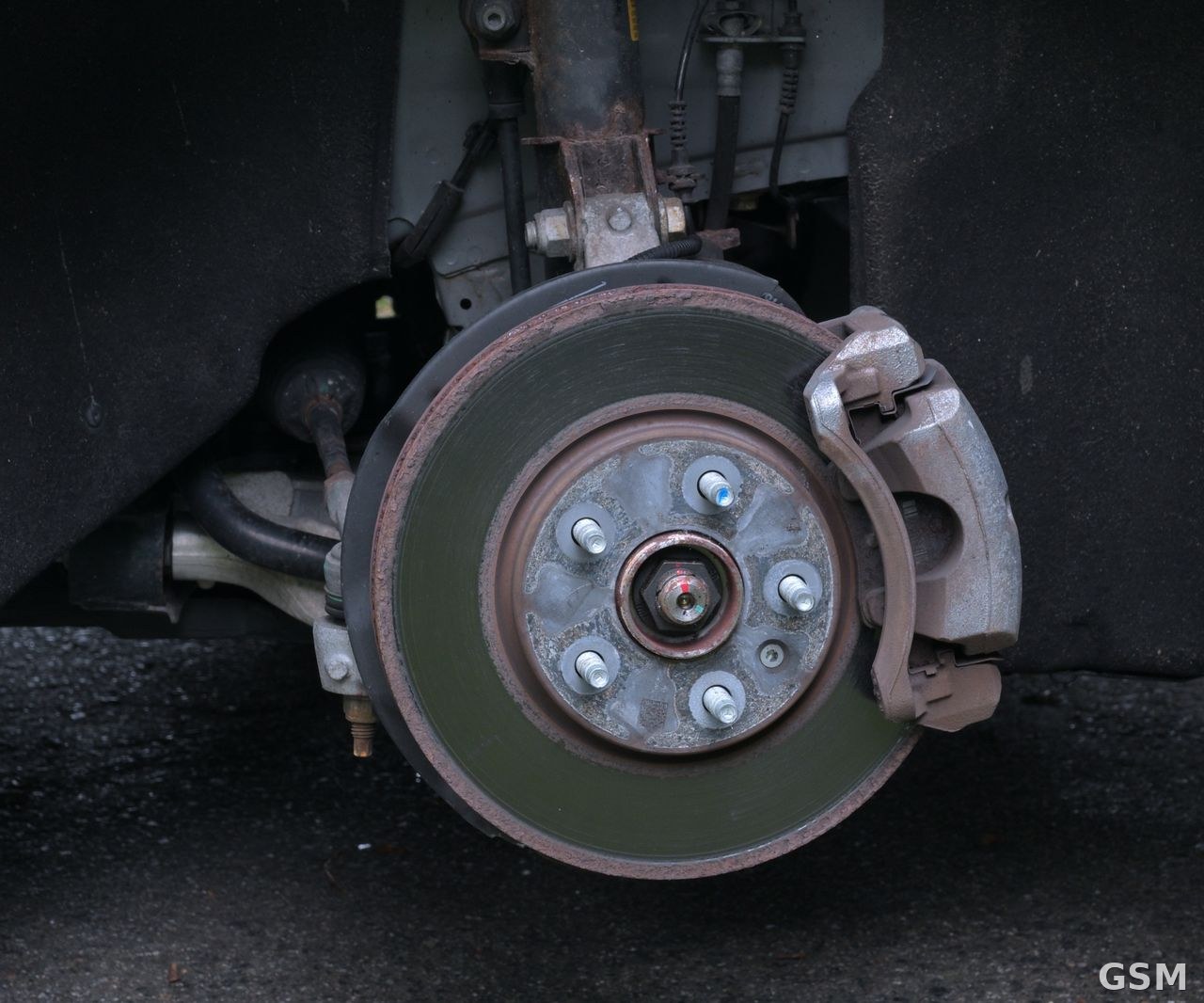
An experimental study published in Scientific Reports on November 14 found that adding silicon carbide nanoparticles to disc brake pads as an abrasive additive can improve braking performance in laboratory testing. The study evaluated four brake pad formulations containing silicon carbide at concentrations of 0, 0.5, 1.5 and 3 weight percent, using particles of 44 nanometres.
The 0.5% formulation achieved the most significant improvement, increasing the average brake force by up to 19% compared with unmodified pads, and enhancing the friction coefficient. The silicon carbide-infused samples also showed superior thermal stability and fade resistance at temperatures up to 130°C, outperforming the other tested formulations under different operating conditions.
Testing was conducted on a specialized rig utilizing a standard grey cast iron ventilated disc with an outer diameter of 241 mm and a nominal thickness of 19 mm, consistent with the specifications of a 2005 Hyundai Excel. The researchers evaluated frictional and braking performance under different sliding speeds, operating temperatures, braking times and brake oil pressures. The authors note that a brake pad's wear rate, friction rate, cooling rate and overall brake performance all depend on its composite material composition.
The findings come from controlled laboratory testing rather than on-road measurement. They point to measurable gains in friction and heat resistance from a low loading of nanoparticle additive, while durability and cost validation would still be needed before any production application.
Source: Scientific
Published by GSM · USA (original Chinese edition)
Photo: 图:盘式刹车特写(2020 款 Chevrolet Bolt EV 前制动盘)。作者:4300streetcar,CC BY 4.0,维基共享资源。 / Photo: Close-up of a disc brake (2020 Chevrolet Bolt EV front disc). Credit: 4300streetcar, CC BY 4.0, via Wikimedia Commons.
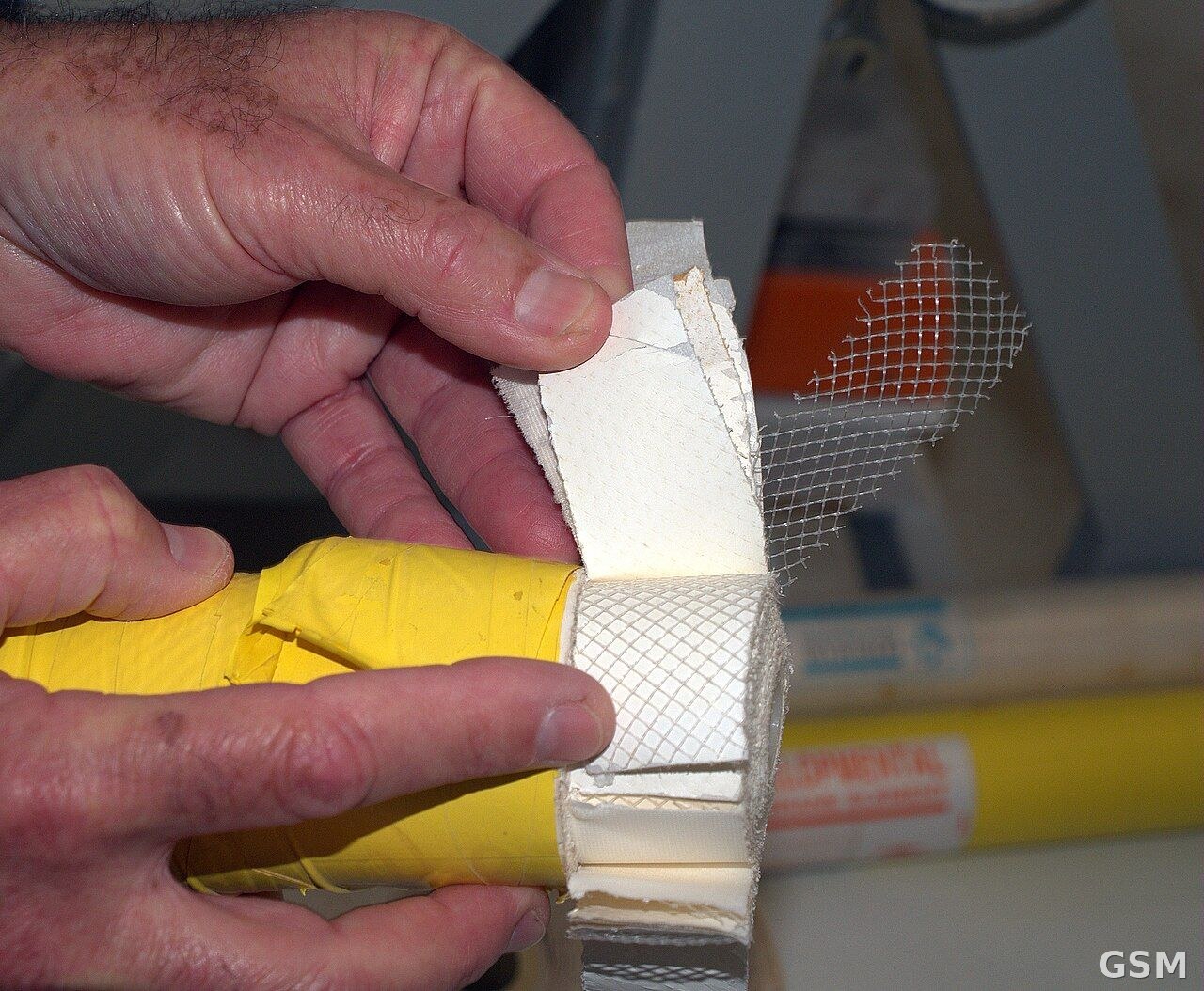 PEBA-PEMA Blend Membrane Separates 1-Butanol With Flux of 0.19 kg/m2/h and Separation Factor of 15.5 at 5 Percent PEMA, Published in Scientific Reports on November 132026-11-14
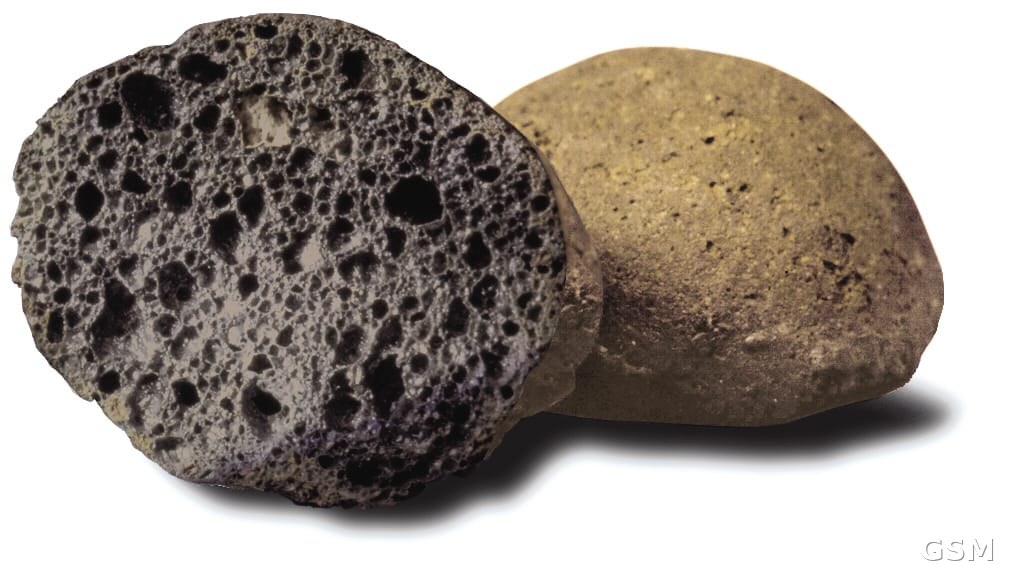 LECA Replacement of 20 to 25 Percent Gives Best Balance in Concrete Study With Control Strength of 31.45 MPa at 28 Days, Published in Scientific Reports on November 132026-11-14