Australia's Card Surcharge Ban Takes Effect as Businesses Warn Costs Will Move Into Prices
Australia's ban on card payment surcharges took effect on 1 October 2026. According to Reuters reporting that day, the Reserve Bank of Australia had decided after a review to abolish surcharges of 0.5 to 1.5 per cent on debit and credit card payments and to lower the interchange fees paid by businesses. The federal government said the change would save consumers about A$1.6 billion a year in card fees, while businesses would also save about A$910 million.
The ban covers the vast majority of everyday card payments in Australia, where cards and phones account for most transactions. Surcharges had long been one of the most visible extra costs at the checkout, and the government presented the reform as cost-of-living relief that would make the ticket price the price actually paid.
Many small businesses, however, said on the first day that payment costs would not disappear but would be carried differently. The operator of the Rusty Rabbit Cafe in Darlinghurst, Sydney, said food and cold drink prices had been raised by about A$2 on average, and that regular customers had been told why in advance. A Sydney bar owner likewise said the costs would be factored into prices.
How merchants and payment providers adjust their pricing in coming months will determine how much consumers actually gain. Regulators had estimated Australians were paying more than A$1 billion a year in card fees, and price movements after the ban are expected to be closely tracked by consumer groups and the media.
Published by GSM · USA (original Chinese edition)
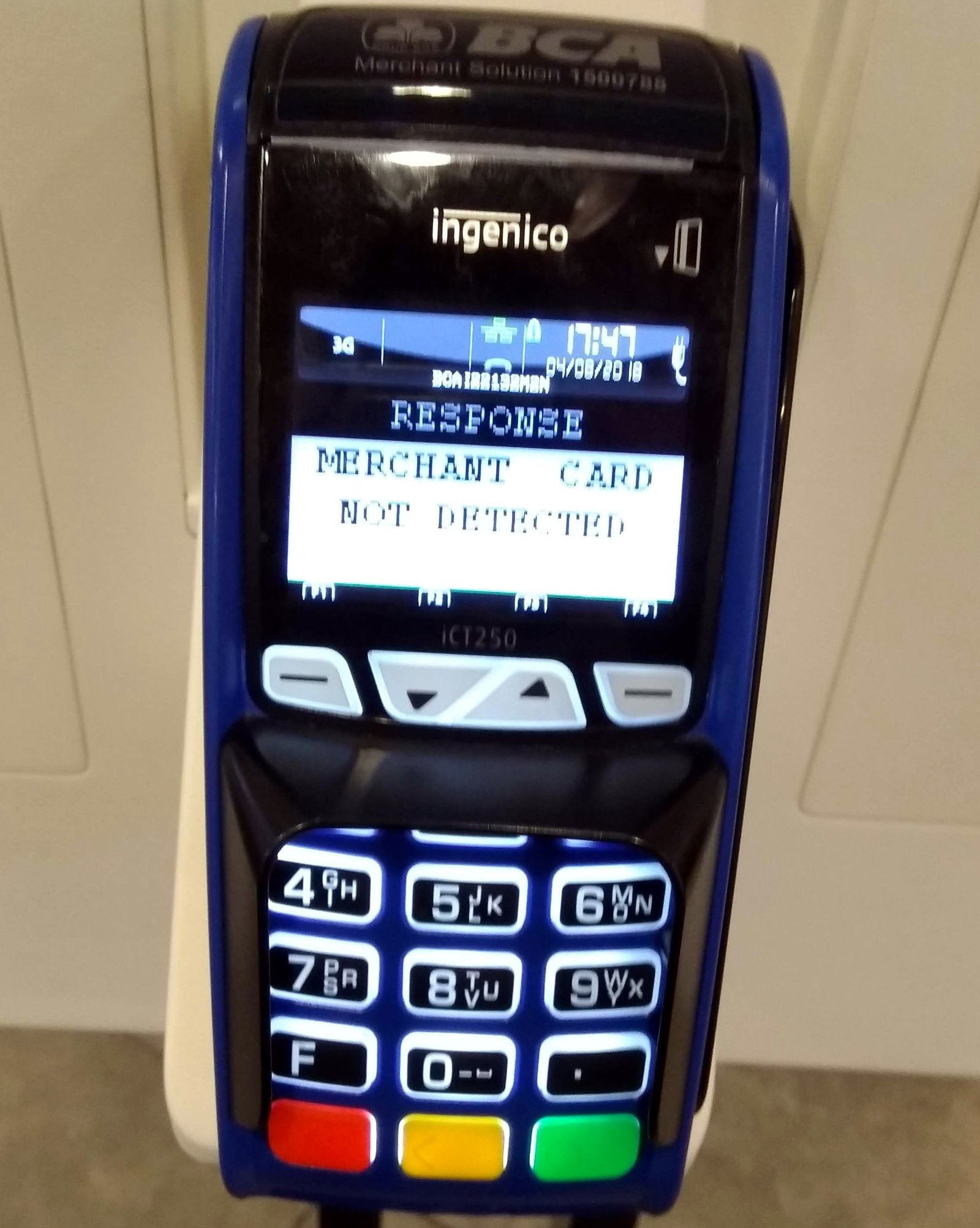
Photo: 图:刷卡支付终端特写。摄影:VulcanSphere,CC BY 4.0,来源:Wikimedia Commons