Belgium's Budget Crisis Talks Enter a Critical Weekend Without Breakthrough

Belgium's budget crisis placed fresh pressure on Prime Minister Bart De Wever's federal coalition on 10 October 2026, as political leaders attempted to resolve disagreements over spending cuts and revenue measures before a crucial parliamentary deadline on 13 October. The negotiations centre on a multibillion-euro fiscal adjustment intended to address Belgium's growing deficit and public debt.
The government is a five-party coalition comprising the New Flemish Alliance, the Reformist Movement, Les Engagés, the Christian Democratic and Flemish party and Vooruit. The parties are seeking approximately 10 billion euros in additional fiscal adjustments by 2029, but disagree over how much should come from spending reductions and how much from tax revenue. VAT reform has emerged as a major obstacle.
Following unsuccessful weekend negotiations, De Wever held individual discussions with deputy prime ministers on Friday, 9 October. Belgian media reported that those meetings failed to produce a breakthrough. A day earlier, De Wever had warned that a debt and interest-cost spiral would be passed to future generations if action were delayed.
Until the coalition formally approves a package, proposals involving VAT, healthcare expenditure and other savings or revenue measures remain negotiating positions rather than confirmed policy. The coming days will determine whether De Wever can bridge the coalition's divisions and present parliament with an agreed strategy.
Published by GSM · USA (original Chinese edition)
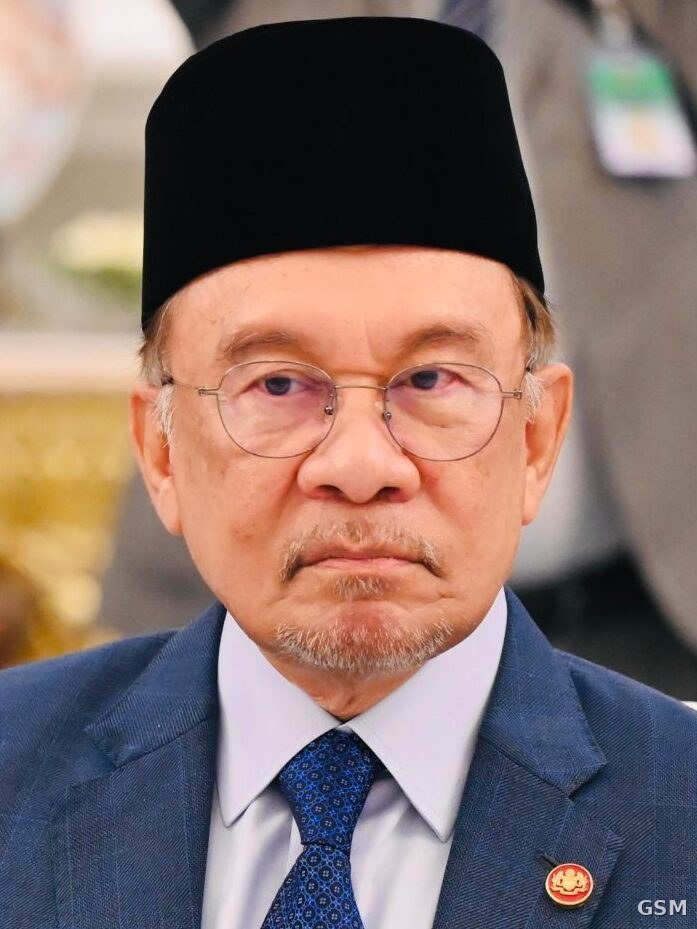
Photo: 图:比利时首相巴尔特·德韦弗肖像。美国国土安全部官方照片,公有领域,来源:Wikimedia Commons