Kremlin Rejects Zelenskiy's 60-Day Ceasefire Idea, Says Moscow Wants an Overall Peace Deal
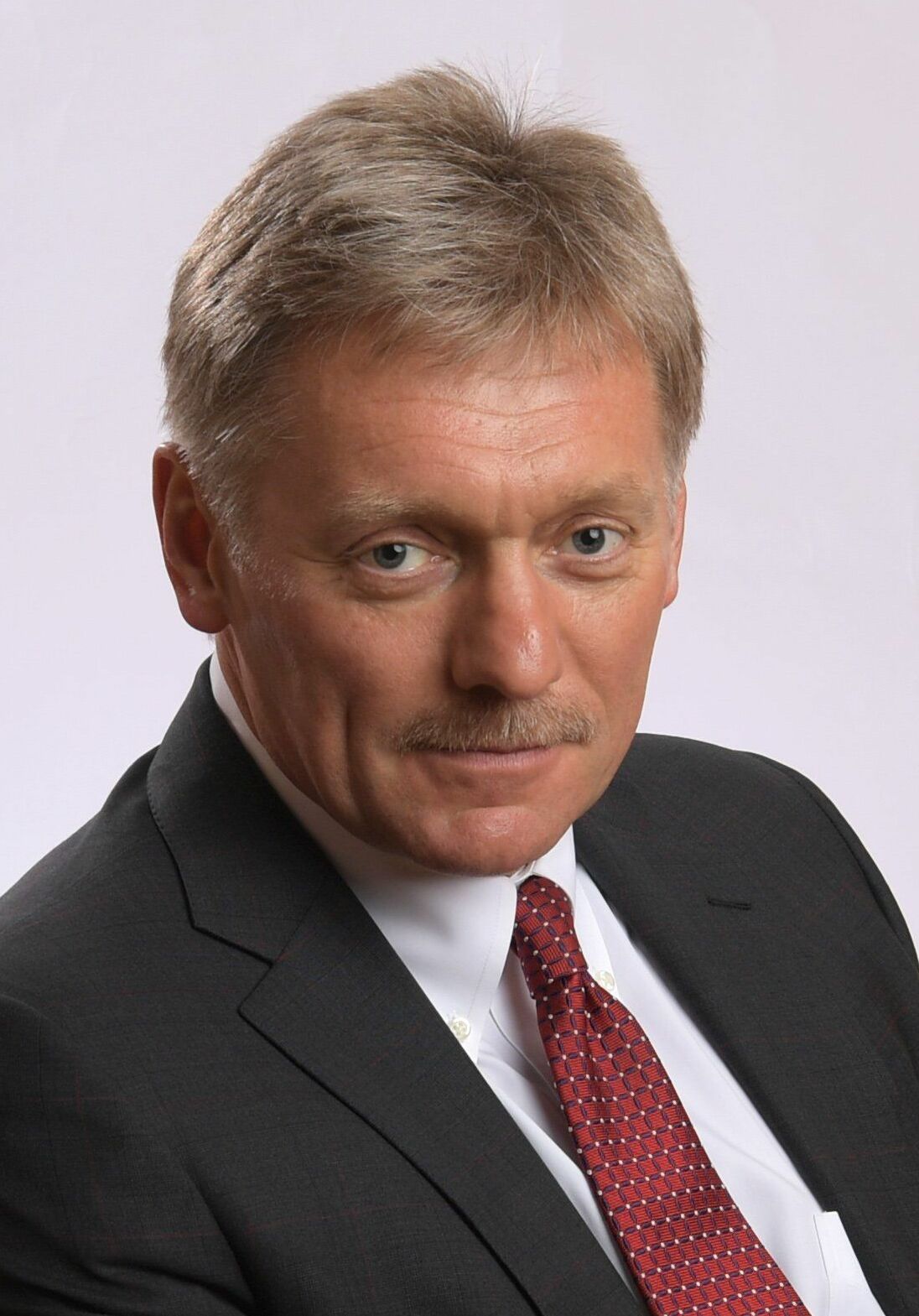
Moscow — The Kremlin on October 12 formally rejected Ukrainian President Volodymyr Zelenskiy's proposal for a 60-day comprehensive ceasefire. Zelenskiy had called a day earlier, on an ABC program, for a two-month truce so that Ukraine could hold a presidential election. Kremlin spokesman Dmitry Peskov told reporters that Russia's position is consistent: it does not want a temporary ceasefire but a long-term peace, and it is prepared to do everything it can to achieve it.
The exchange began in Washington. Over the weekend, Trump criticized Ukrainian strikes on Russian refineries for pushing up oil prices, and publicly suggested that Ukraine should 'get a new leader who can make a deal.' Zelenskiy answered with the offer of an election in exchange for a 60-day ceasefire: Ukrainian law bans elections under martial law, his term has been extended under it, and Moscow has long questioned his legitimacy on that basis. While rejecting a full ceasefire, Peskov left a narrow opening: if Kyiv does hold an election, Putin, as supreme commander-in-chief, could order Russian forces not to strike on election day only — election day, not 60 days.
Peskov also said, regarding the Russia-Ukraine 'energy ceasefire' announced by Trump, that relevant contacts were continuing and that updates would be provided, but he declined to say whether any truce would apply only to energy facilities such as refineries. On the battlefield, Russian strikes on Ukrainian energy facilities have not stopped: as GSM reported previously, Ukraine has accused Russian forces of hitting the Kharkiv thermal power plant in violation of the energy ceasefire, and the EU has approved a new round of sanctions on Russia.
Published by GSM · USA (original Chinese edition)
Photo: 克里姆林宫发言人佩斯科夫。俄罗斯总统新闻与信息办公室,CC BY 4.0,维基共享资源