How to Read Election Night: California Results Start at 8 p.m. on Nov. 3, Mail Ballots Count Through Nov. 10, Final Certification Dec. 11
Tuesday, November 3 is Election Day in the midterm elections. California polls close at 8:00 p.m. Pacific, and counties begin reporting results right away — but election-night numbers are only a running tally. Vote-by-mail ballots keep arriving until November 10, counties must certify by December 3, and the Secretary of State certifies the statewide result on December 11. This explainer lays out the timeline for election night and the five weeks that follow.
1. Election night, hour by hour
The first results in the nation appear at 6:00 p.m. Eastern (3:00 p.m. Pacific), when polls close in parts of Indiana and Kentucky. California polls close at 8:00 p.m. Pacific — and anyone already in line at 8:00 p.m. is entitled to vote. From 8:00 p.m., counties conduct the semifinal official canvass, reporting updated totals to the Secretary of State at least every two hours until reporting is complete. The first numbers released usually reflect early voting and mail ballots that were signature-verified and processed before Election Day, followed by ballots cast in person on the day itself.
2. Why the numbers move: mail ballots are the second half
Every registered California voter receives a mail ballot, and mail voting is a large share of the total. A ballot counts if it is postmarked on or before November 3 and received by the county elections office by November 10. Ballots mailed or dropped off on Election Day itself are processed over the following days. Ballots cast by same-day registrants are conditional and are counted after eligibility is verified. A mail ballot whose return envelope is unsigned or whose signature does not match is set aside and the voter is notified; the cure deadline is 5:00 p.m. on November 25. In a close race, the leader can change days later — in California that is normal, not a malfunction.
3. Slow variables nationwide
Georgia requires an outright majority for its U.S. Senate race; if no candidate clears 50 percent, a runoff follows on December 1, pushing that result into early December. Maine uses ranked-choice voting, which requires centralized tabulation and usually reports more slowly. Control of the U.S. House will turn on a handful of close districts whose final margins may take days to settle.
4. The formal milestones
On November 5, counties begin the official canvass, conducted in public and including a manual tally of one percent of ballots. December 3 is the last day for counties to certify their results; on December 4 counties send complete returns to the Secretary of State; on December 11 the Secretary of State certifies the Statement of Vote. Until then, any candidate described as elected is a media projection (a "call") based on the count — not an official result.
5. Where to watch
The California Secretary of State posts statewide and district results in real time from election night, and county registrars post local detail. When reading the numbers, check three things: the share of votes counted, the estimated number of ballots remaining, and how much of the mail vote has been included. This series' voter guide explains how to vote and where Chinese-language ballots are available, and the overview essay sets out what is at stake this year.
2026 Midterm Chinese Voter Guide: California Mail Ballots, Chinese Ballots and Vote Centers
The Midterm Showdown: Series Overview
Source: GSM·USA (Sources: California Secretary of State election calendar and county registrars of voters)
Source: GSM · USA (original Chinese edition)
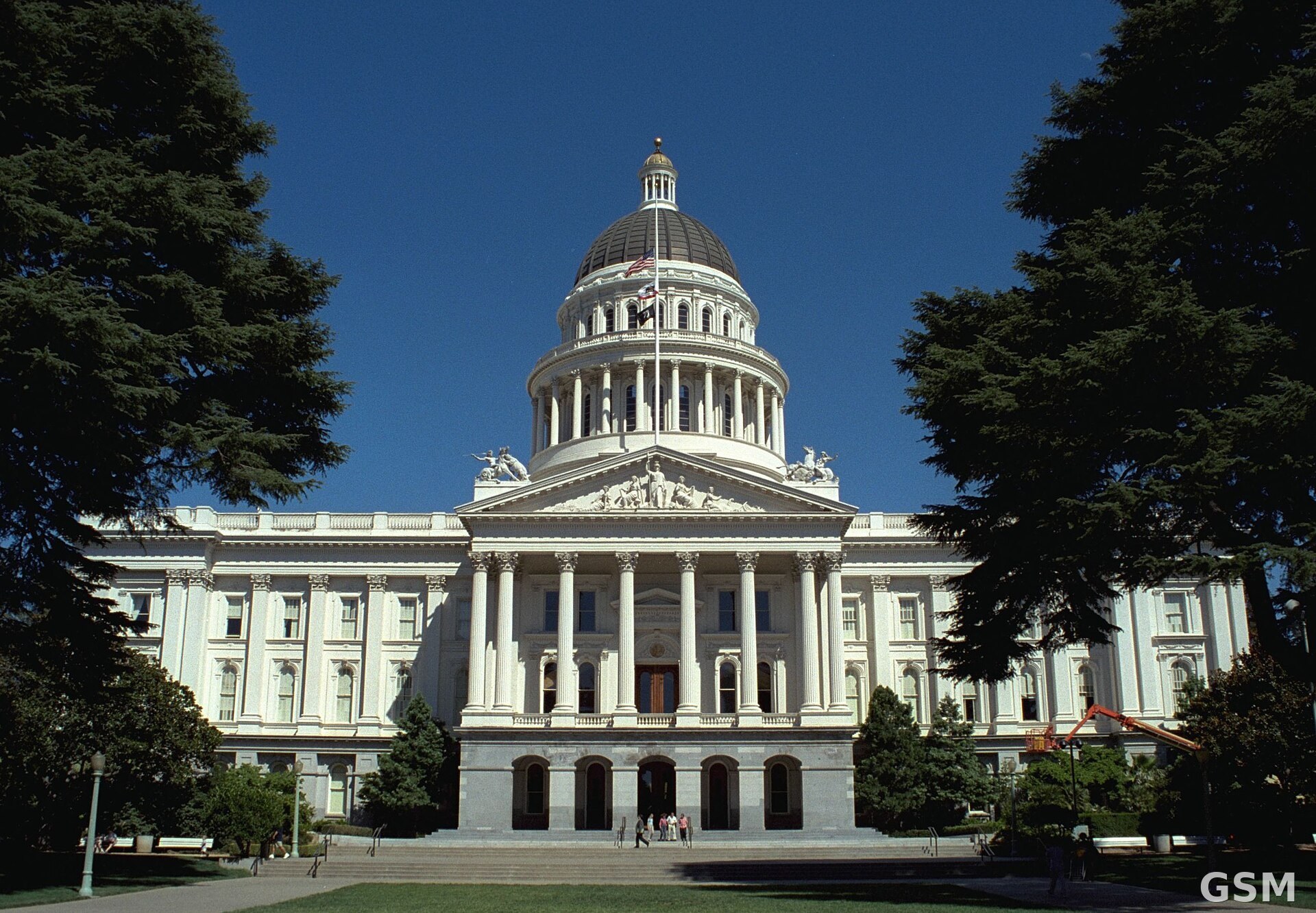
Photo: 加州州议会大厦(Sacramento)。图片:CC BY 2.0,取自维基共享资源。
- 2026-10-25Chinese Voter Guide to California's 2026 Midterm Election: Mail Ballots, Chinese-Language Ballots and Vote Centers
- 2026-10-25What Is on the Ballot in the 2026 Midterms: All 435 House Seats, 33 Senate Seats and California's 14 Propositions
- 2026-10-25How to Read Election Night: California Results Start at 8 p.m. on Nov. 3, Mail Ballots Count Through Nov. 10, Final Certification Dec. 11This story
- 2026-10-25California's 14 Ballot Propositions Explained: The $11.25B Housing Bond, Permanent High-Income Tax, Voter ID and the Clinics' 90 Percent Rule