Follow-Up: EPA Formally Proposes Oil and Gas Rule Revisions in Lubbock, Texas, Estimating $45 Billion in Savings and 210 Million Additional Barrels
The U.S. Environmental Protection Agency (EPA) announced in Lubbock, Texas, on October 27 that it is formally proposing major revisions to the previous administration's oil and natural gas regulations: President Trump and EPA Administrator Lee Zeldin unveiled the proposal to revise the Clean Air Act (CAA) oil and gas rules known as OOOOb/c, which EPA expects to save $45 billion in costs to consumers and businesses and to unleash an estimated 210 million additional barrels of oil and 1.41 trillion cubic feet of natural gas.
EPA Administrator Lee Zeldin said that behind every barrel of oil and every cubic foot of natural gas produced in the U.S. are millions of workers, businesses, and the heartbeat of the nation's economy, that President Trump promised to end the war on oil and natural gas, and that he vowed to do his part while protecting the environment. Secretary of the Interior Doug Burgum said the revision rolls back reckless Biden-era red tape to unlock an estimated 210 million barrels of American oil and deliver an estimated $45 billion in taxpayer savings. Secretary of Energy Chris Wright said the previous administration imposed costly regulations on American oil and natural gas producers, and that EPA's proposal is another commonsense effort to unleash American energy dominance and allow producers to deliver more energy at lower costs.
According to EPA, the one-size-fits-all regulations finalized in 2024 were estimated at the time to cost $18 billion, but EPA now says the prior agency underestimated the costs and refused to acknowledge the rules would force many wells to close and stop new wells from opening, threatening domestic production and driving up the cost of living from heating bills to grocery and pump prices. The proposal emphasizes reforms for marginal wells, which account for roughly four out of every five producing wells in the nation; many are family-owned, and families often use income from the wells for retirement savings, so reducing their regulatory burdens will provide financial security for thousands of American families, EPA said.
The five key proposed changes are: (1) well sites — EPA is co-proposing two options to create separate categories and standards, by production level (marginal or non-marginal) or by resource type (conventional or unconventional); (2) the Super Emitter Program — EPA proposes to rescind the program that certified third-party monitors for so-called super emitter leak events, citing legal concerns and questioning its necessity; (3) covers and closed vent systems — EPA proposes to split the No Identifiable Emissions aspect into design requirements and operational requirements, with the operational requirements allowing for repairs; (4) associated gas — EPA proposes to restore 95 percent efficient flaring or other control devices as the best system of emission reduction, rather than requiring all associated gas from oil wells to reach a sales line; and (5) control devices — technical changes to give flexibility for flame monitoring data deviations, control device alerts, and visible emissions test conditions where appropriate.
EPA will hold at least a 45-day public comment period, including a public hearing, after the proposal is published in the Federal Register. The agency's timeline notes that Administrator Zeldin first announced a comprehensive reconsideration of the 2024 final rule on March 12, 2025; EPA issued an interim final rule on July 31, 2025 extending several compliance deadlines, reaffirmed the extensions on November 26, 2025 with additional extensions, finalized revisions on April 6, 2026 related to net heating value and temporary flaring, and clarified on May 1, 2026 that current regulations already allow flaring of associated gas at new oil wells in limited circumstances.
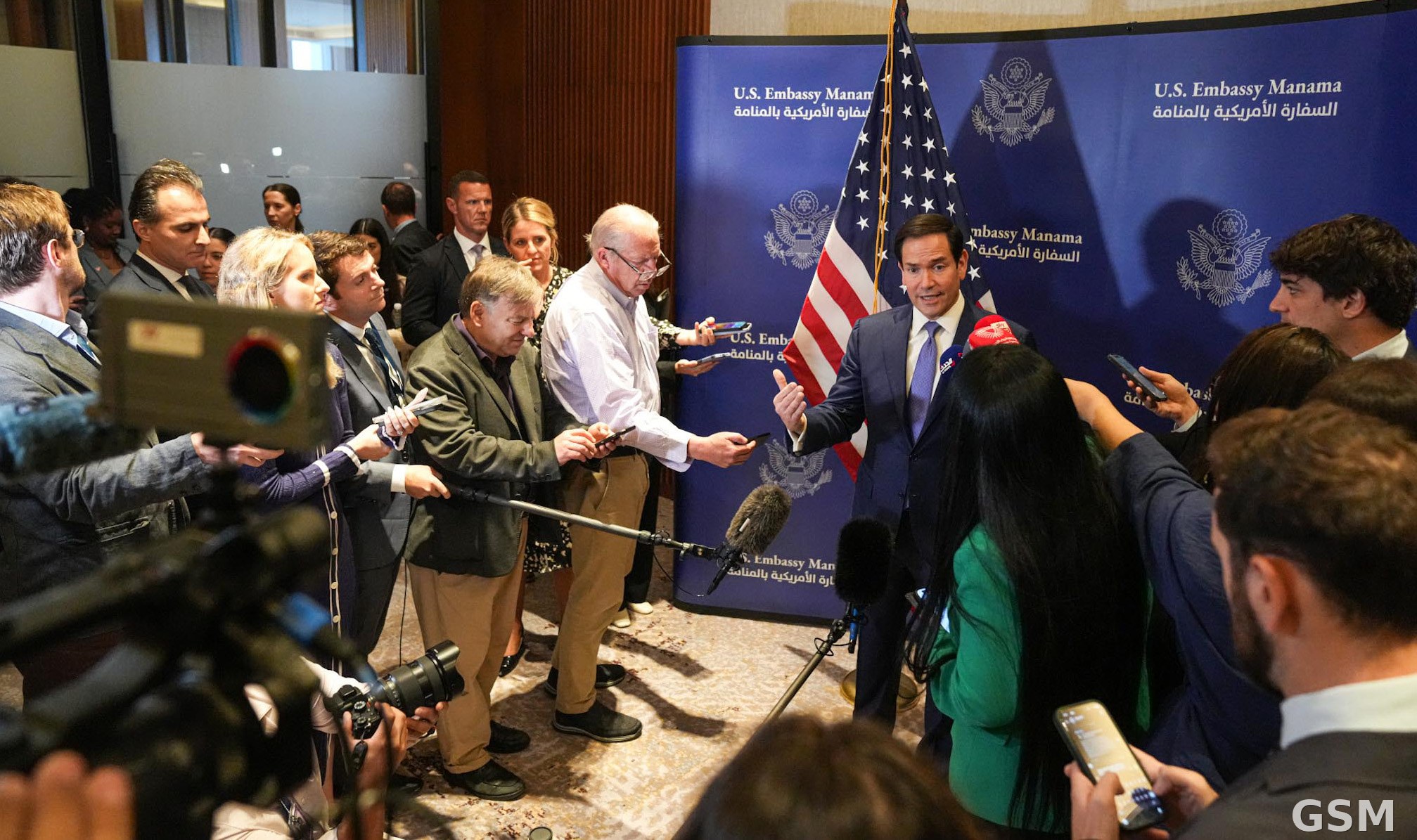
GSM reported on October 7 that Zeldin, speaking in Santa Fe, New Mexico, previewed that EPA would propose this second part of the reconsideration; the Lubbock announcement is the formal proposal.
Source: GSM · USA (original Chinese edition)
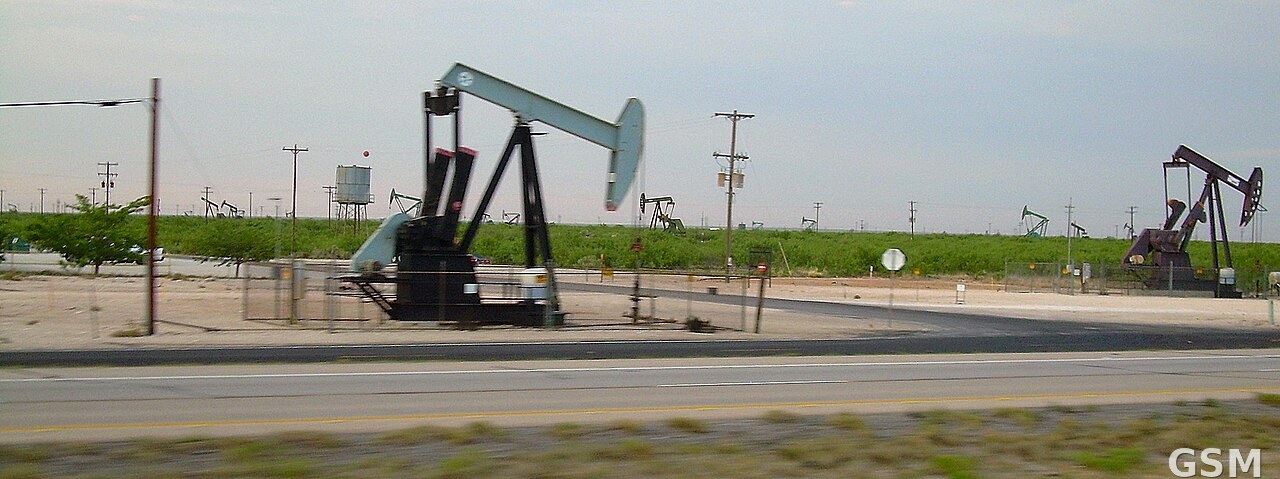
Photo: 图:得克萨斯州 Midland 附近 Interstate 20 沿线的抽油机油田。照片:ErgoSum88,公共领域,来源:Wikimedia Commons / Photo: Pumpjacks along Interstate 20 near Midland, Texas. Photo by ErgoSum88, public domain, via Wikimedia Commons
- 2026-10-07EPA to Propose Second Part of Oil and Gas Rule Reconsideration, Estimating $45 Billion in Savings
- 2026-10-27Follow-Up: EPA Formally Proposes Oil and Gas Rule Revisions in Lubbock, Texas: Super Emitter Program to Be Rescinded, $45 Billion in Estimated Savings
- 2026-10-27Follow-Up: EPA Formally Proposes Oil and Gas Rule Revisions in Lubbock, Texas, Estimating $45 Billion in Savings and 210 Million Additional BarrelsThis story