FDA Approves Weltruza, the First Once-Monthly Subcutaneous Olanzapine for Adults With Schizophrenia
Teva Pharmaceuticals announced on October 9 that the U.S. Food and Drug Administration has approved Weltruza (olanzapine) for extended-release injectable suspension for the treatment of schizophrenia in adults. It is the first and only once-monthly subcutaneous injectable formulation of olanzapine.
Olanzapine has been a foundational schizophrenia treatment for more than 30 years, but sticking with a daily pill remains a major barrier for many patients. Weltruza is given once a month by subcutaneous injection and requires no loading dose, no supplemental oral olanzapine at the start of treatment and no post-injection monitoring. It will be sold in 318 mg, 425 mg and 531 mg strengths, corresponding to daily oral olanzapine doses of 10 mg, 15 mg and 20 mg. The product uses SteadyTeq, a copolymer sustained-release technology developed by MedinCell.
The approval rests on the Phase 3 SOLARIS trial, a multinational, randomized, double-blind, placebo-controlled study of 675 adults aged 18 to 64. In the eight-week placebo-controlled phase, Weltruza produced significantly greater improvement in symptom scores than placebo. Christoph Correll, clinical professor of psychiatry at the Zucker School of Medicine at Hofstra/Northwell, said the new option achieves therapeutic blood levels without oral cotreatment, loading doses or booster injections and "can help empower patients, support their care partners and provide clinicians with an important new tool." Teva's chief medical officer, Eric Hughes, said eliminating the need for monitoring after each injection removes a significant barrier to long-acting treatment.
Weltruza carries a boxed warning for an increased risk of death in older adults with dementia-related psychosis and is not approved for that population. Teva expects the product to become available in the United States in the coming weeks.
Source: GSM · USA (original Chinese edition)
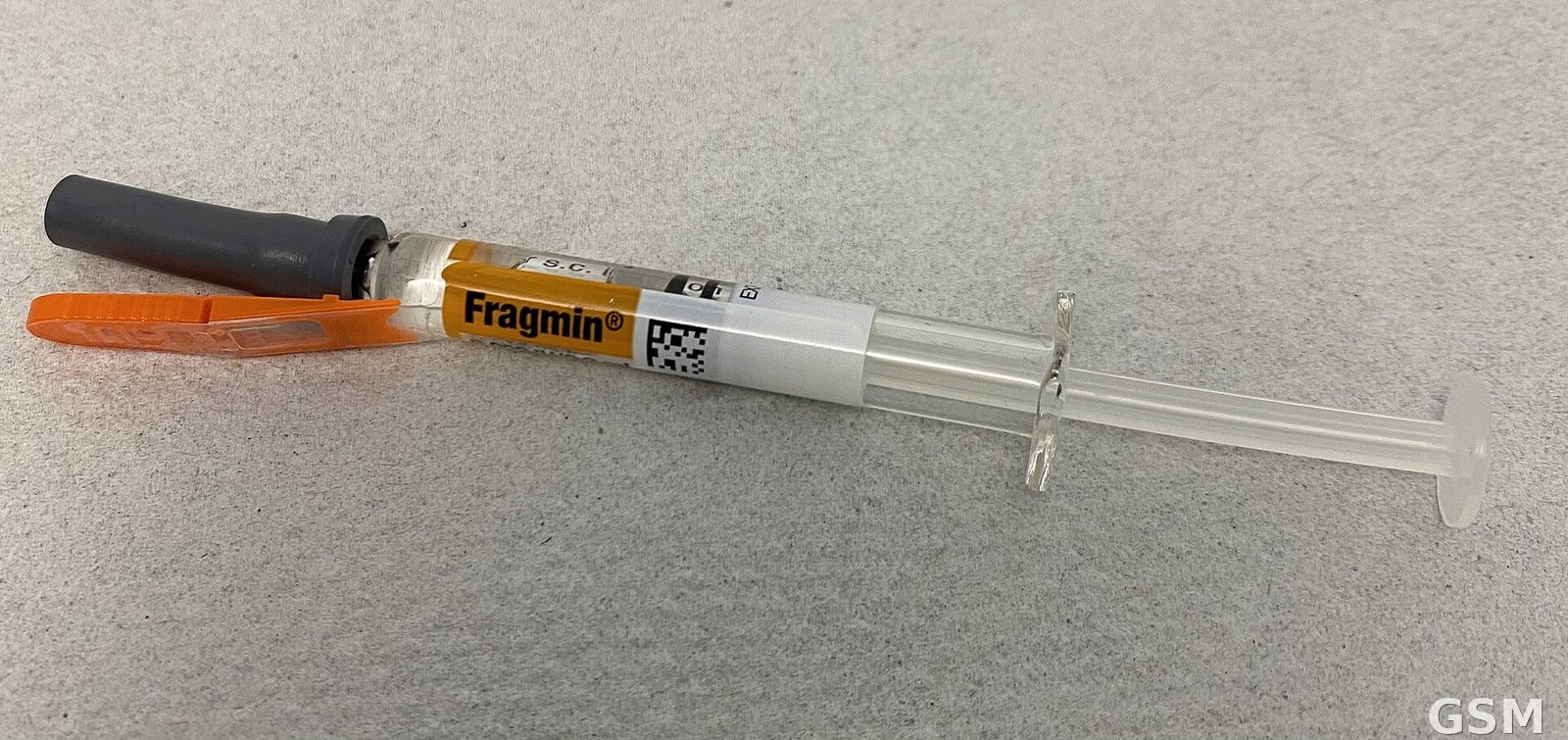
Photo: 皮下注射剂(资料图)。Whispyhistory 摄,CC BY-SA 4.0,经 Wikimedia Commons。 / A subcutaneous injection product (file photo). Photo by Whispyhistory, CC BY-SA 4.0, via Wikimedia Commons.