German Foreign Minister Johann Wadephul on Geoeconomics: Trade Dependencies Are Being Weaponised, Europe Must Expand Its Geoeconomic Toolbox
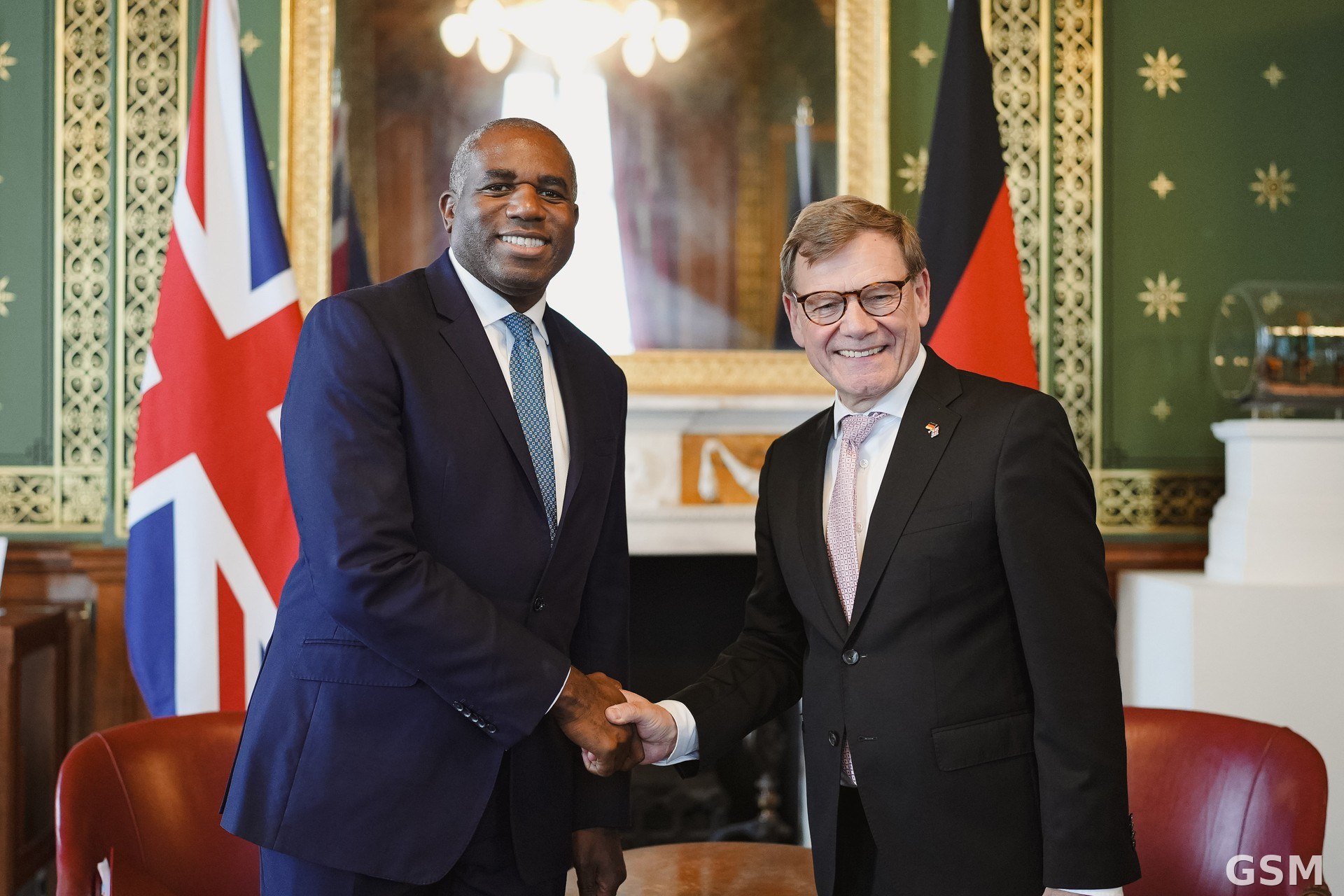
German Foreign Minister Johann Wadephul told the 5th Kiel-CEPR Conference on Geoeconomics on November 3 that dependencies created by trade are increasingly being used as instruments of power, that the global trading system is fragmenting, and that Europe must expand its geoeconomic toolbox, support Ukraine and strengthen its own economic sovereignty. The Federal Foreign Office published the full text of the speech the same day.
Wadephul opened with CATAN, one of Germany's most successful cultural exports, with more than 50 million copies sold in over 100 countries and the United States as its largest market, in which players battle over brick, lumber, wool, grain and ore. He said the underlying dynamics of the real world are remarkably similar: access to resources matters, trade creates opportunities but also dependencies, and those dependencies can become instruments of power, while the stakes are economic prosperity, strategic autonomy and the ability to shape one's own future.
He said that until just a few years ago, economic policy in Germany was widely conceived and conducted in isolation from foreign and security policy, but those days are over: partners, competitors and rivals increasingly think and act in transactional terms, economic dependencies are being politically weaponised, rules designed to benefit everyone are being undermined, and operating conditions have changed fundamentally. Above all, he said, the answer takes diplomacy: forging strategic partnerships, negotiating trade agreements and securing access to critical resources.
In practice, Germany has established a new Directorate-General combining European Policy and Geoeconomics that works closely with the European Commission; its 250 embassies and missions abroad represent Germany's economic interests and help German companies identify projects that contribute to de-risking, particularly in critical raw materials. The German government is stepping up engagement on resilient critical minerals supply chains, including through critical minerals diplomacy, and he described building strategic partnerships that leverage Germany's strengths in global super intelligence (SI) supply chains as 'techplomacy'.
On Ukraine, he said security, freedom and prosperity are intertwined: Europe is supporting Ukraine militarily and economically while reducing the revenues with which Russia finances its war of aggression, including through sanctions and diversification of energy sources. The European Commission's 'Promote, Partner, Protect' approach is right, he said, but all three pillars must advance in equal measure; Germany and France jointly call for a substantial expansion of the EU's geoeconomic toolbox, and their joint proposal has taken the debate in Brussels to an entirely new level. The economic model of the past no longer fits the changed geopolitical and geoeconomic environment, he said, and what matters is strengthening Europe's economic sovereignty.
(Source: Federal Foreign Office of Germany)
Source: Federal Foreign Office of Germany
Published by GSM · USA (original Chinese edition)
Photo: 图:位于柏林 Werderscher Markt 的德国外交部大楼。Derbrauni 摄,CC BY 4.0,经 Wikimedia Commons。 / Photo: The Federal Foreign Office building at Werderscher Markt in Berlin. Photo by Derbrauni, CC BY 4.0, via Wikimedia Commons.